Acoustic Panels That Blend Art and Soundproofing
Imagine walking into your living room and hearing the crisp clarity of your favorite playlist without echo bouncing off bare walls. Or picture your home office as a calm retreat where outside noise fades into silence, allowing your focus to sharpen. That is the quiet magic of acoustic panels designed for both function and beauty.
When Sound Becomes a Design Challenge
Sound has a way of creeping into every corner, often unnoticed at first. Hardwood floors, tall ceilings, and large windows create stunning visuals, yet they amplify echoes. The result is a restless space where conversations clash and background noise lingers, a common issue in open-concept layouts or city apartments with intruding sounds from neighbors or traffic.
Homeowners do not need to sacrifice style to reclaim calm. Modern acoustic panels provide sound control alongside visual appeal, balancing serenity with design expression. Whether you seek a minimalist haven, a vibrant studio, or a cozy reading nook, these panels turn spaces into inviting environments that look and sound exceptional.
The Appeal of Dual-Purpose Design
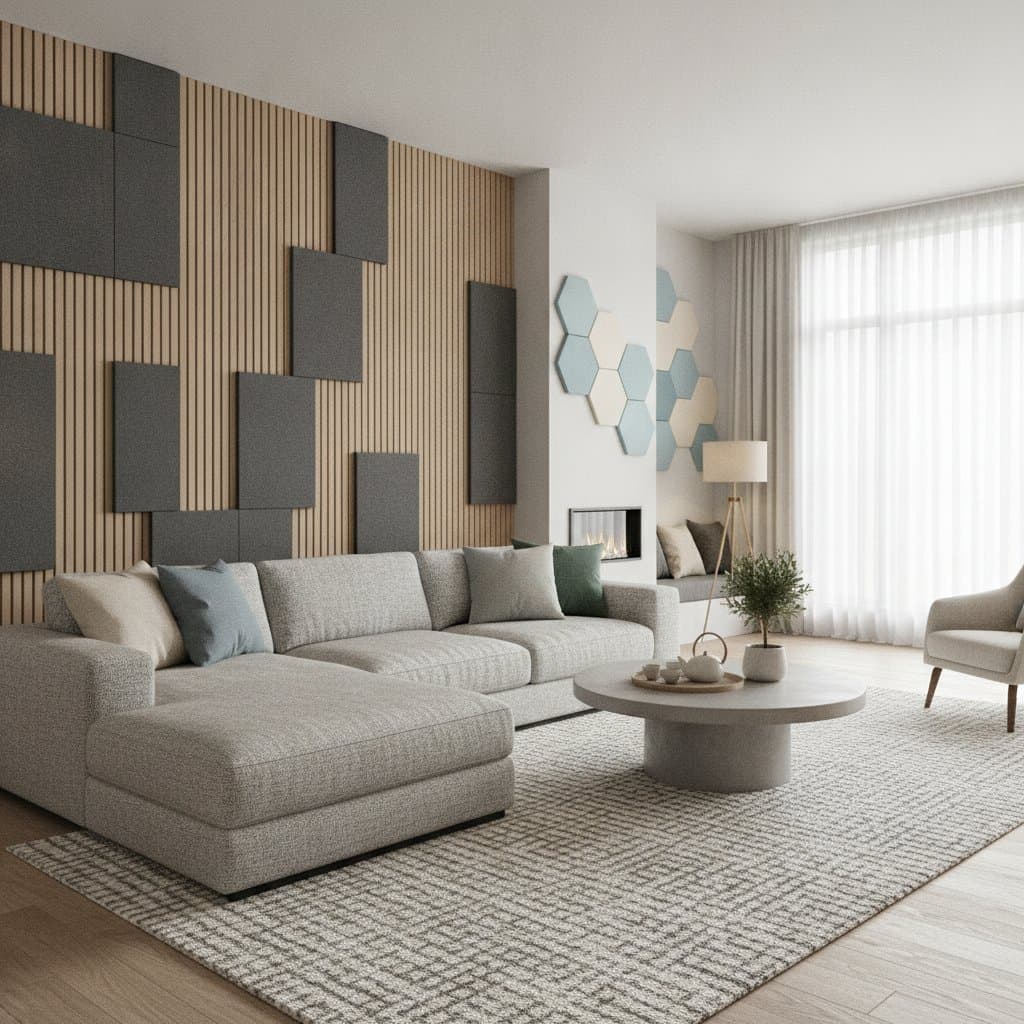
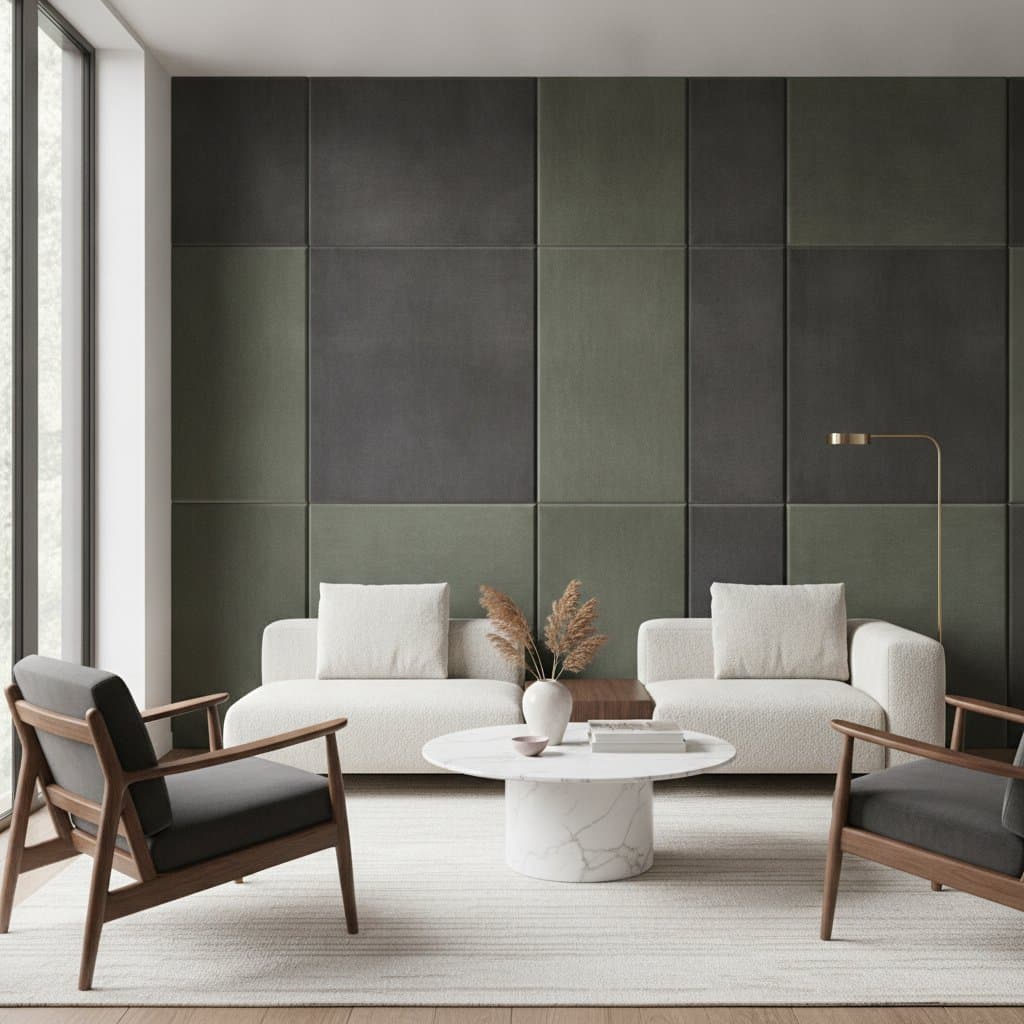
Traditional soundproofing materials appeared utilitarian, hidden behind drywall or in ceilings. The current generation of acoustic panels differs entirely. Crafted from high-performance fabrics, wood slats, felt composites, and recycled fibers, they absorb sound while serving as design features.
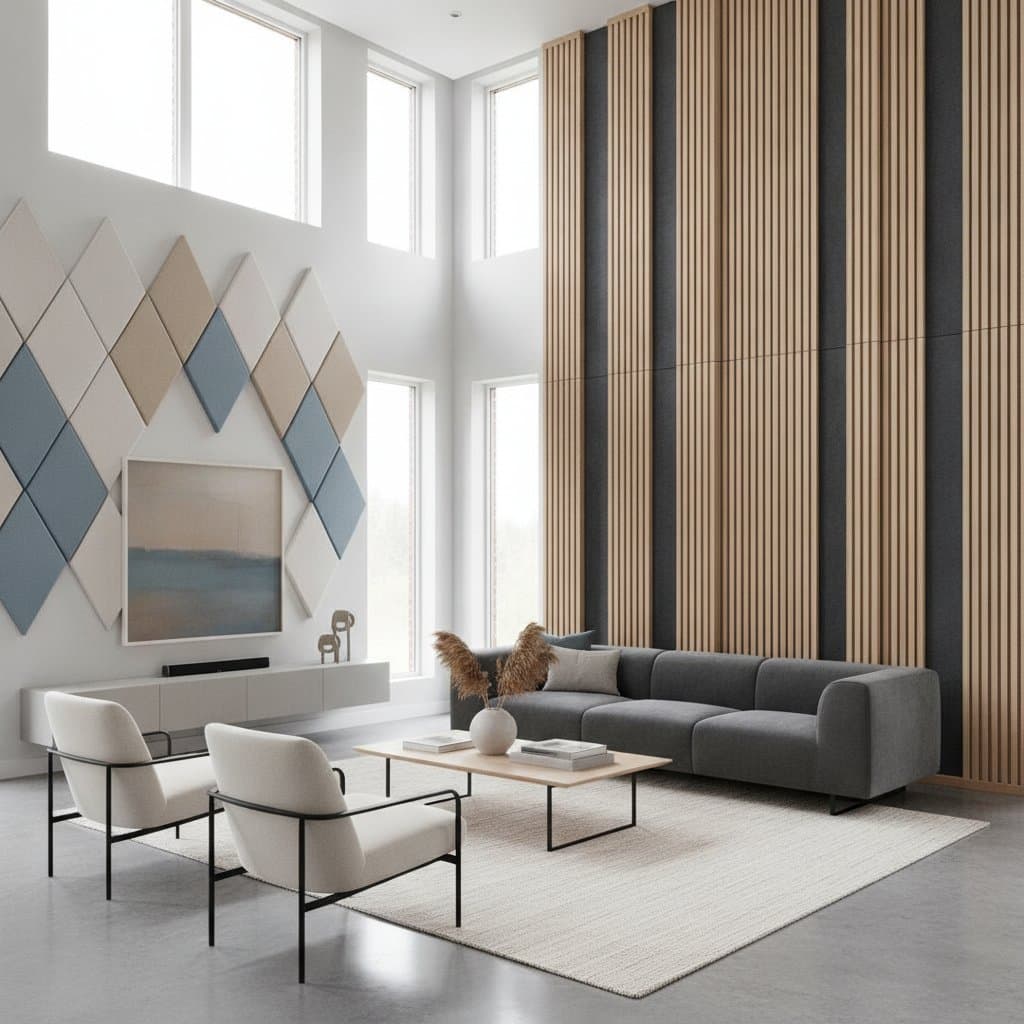
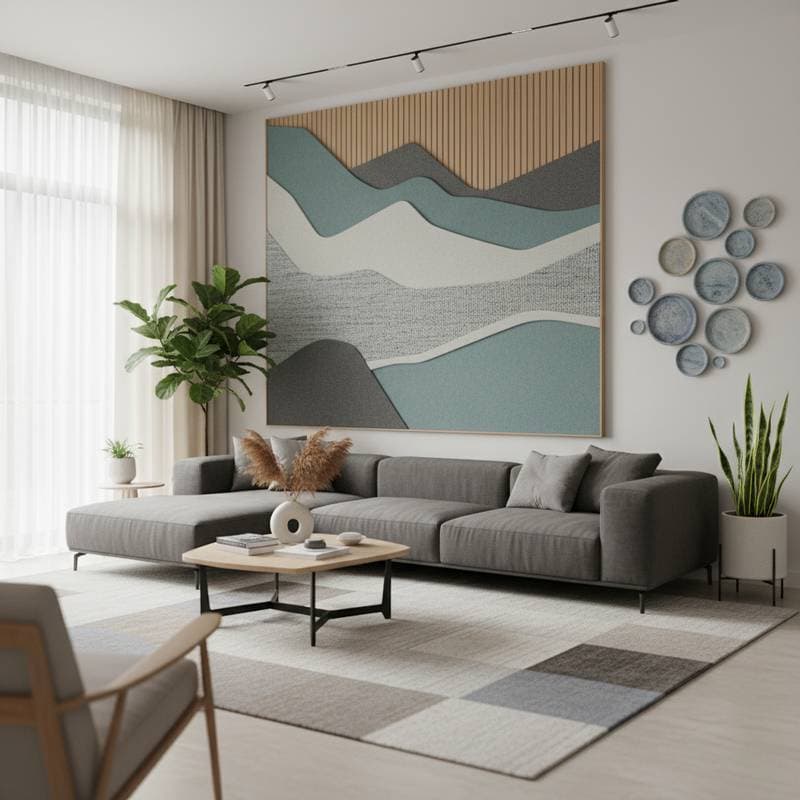
The dual purpose merges fine art with acoustic science. Designers and homeowners use these panels as statement pieces, resembling abstract paintings or sculptural wall installations. Available in every shape and color, from soft geometric forms in muted tones to bold patterns that draw attention, they celebrate acoustic solutions rather than conceal them.
Selecting Acoustic Panels for Your Space
Sound behaves differently based on room size, materials, and furniture. Selection begins with identifying noise sources and travel paths.
-
Identify problem areas. Determine if echo is strongest in one corner or if sound leaks through shared walls. Walk through the space and listen carefully; a short clap test reveals hotspots.
-
Determine coverage needs. Smaller rooms require only a few panels, while open areas need broader application. Begin with coverage of about one-third of wall surfaces, then adjust after testing.
-
Evaluate aesthetics. Panels can blend with decor or serve as focal points. Select fabric-wrapped options to match upholstery, wood-finished ones for warmth, or printed versions to integrate art.
-
Assess versatility. Some panels mount like artwork; others offer modularity. Freestanding partitions provide flexible solutions for renters or shared spaces.
Materials That Combine Beauty and Performance
Acoustic technology has advanced beyond foam wedges and bulky insulation. Popular materials now define acoustic design:
-
Felt and wool blends: Soft, eco-friendly, and rich in colors, these absorb mid- to high-frequency sounds effectively.
-
Wood slats on acoustic backing: Ideal for contemporary spaces, they add texture and diffuse sound waves.
-
Fabric-wrapped fiberglass panels: Used in professional studios, they deliver excellent absorption with a clean, tailored appearance.
-
Recycled PET fiber panels: Sustainable and lightweight, they fit home and commercial environments.
Each material provides a unique aesthetic and performance level. Mix them for variety, such as felt for warmth paired with wood for structure.
Installation and Expert Assistance
Acoustic panels feature simple mounting systems, but balanced sound demands precise placement. Position panels opposite reflective surfaces like glass or tile. In living areas, place them behind sofas or above television units; in offices, behind desks or on adjoining walls to minimize echo during calls.
For complex layouts or large rooms, professional assistance proves essential. Acoustic specialists measure reverberation times and suggest panel density for optimal results. If uncertain, use a free contractor-matching service to connect with vetted experts reviewed for experience and quality, ensuring your investment yields strong performance and style.
Planning Budget for Sound and Style
Pricing for acoustic panels varies by design and material. Consider this guide:
-
Entry-level options: Fabric-wrapped or foam-based panels start at low costs per square foot, suitable for small offices or bedrooms.
-
Mid-range designs: Felt or PET panels with artistic finishes offer balanced aesthetics and absorption at moderate prices.
-
Premium solutions: Custom wood slat systems or printed art panels cost more yet provide showpiece quality.
Installation expenses depend on wall preparation and mounting needs. Many homeowners combine DIY efforts with professional help to balance cost and accuracy.
Enhancing Soundproofing Throughout the Space
Complement wall panels with additional elements for full transformation. Acoustic ceiling tiles, plush rugs, thick drapes, and upholstered furniture reduce noise effectively. Plants diffuse sound waves while adding natural beauty, creating a layered acoustic environment.
In shared buildings, add floor underlayment or seal gaps around doors to limit transmission. For home studios or entertainment rooms, pair panels with door sweeps and soundproof curtains to achieve near-silent conditions.
Addressing Safety and Maintenance
Verify that materials meet fire safety standards, especially in commercial or multi-unit settings. High-quality acoustic products include certifications for low toxicity and flame resistance. Maintenance involves light dusting or vacuuming with a brush attachment; spot-clean fabric panels and polish wood surfaces periodically.
Infusing Personality into Acoustic Design
Soundproofing need not appear dull. Homeowners treat panels as outlets for expression, printing photographs on fabric, creating color gradients across walls, or selecting shapes like leaves, waves, or polygons. The outcome is a space that reflects personal style while boosting comfort.
Whether converting a noisy condo into a peaceful retreat or refining a creative studio, these panels foster harmony. They integrate into the narrative of your home, enhancing every aspect.
Steps to Get Started
Focus on one room that feels too loud or unbalanced. Listen actively, envision improvements, and outline a plan. Contact local experts via the free contractor-matching service to review designs and quotes, guiding you toward a tranquil, artful space where conversations, melodies, and moments resonate perfectly.