The Impact of Sound on Living Spaces
Excessive noise disrupts daily life, leading to fatigue and reduced focus. Even beautifully designed rooms suffer when echoes distort conversations or media. Acoustic panels address this issue by absorbing sound waves, creating environments where clarity prevails without altering the visual harmony.
These solutions prove essential in open-plan homes where activities overlap. They enhance experiences like family gatherings or remote work sessions. By prioritizing acoustics, homeowners achieve spaces that support both functionality and well-being.
Understanding Acoustic Challenges
Reverberation occurs when sound bounces off hard surfaces such as walls, floors, and ceilings. This phenomenon amplifies noise in areas like kitchens or home theaters. Identifying these issues involves simple tests, such as clapping hands to gauge echo duration.
Common problem zones include high-traffic areas and those with reflective materials. For instance, tile floors and bare walls exacerbate the effect. Recognizing these patterns allows for targeted improvements that yield noticeable results.
Types of Stylish Acoustic Panels
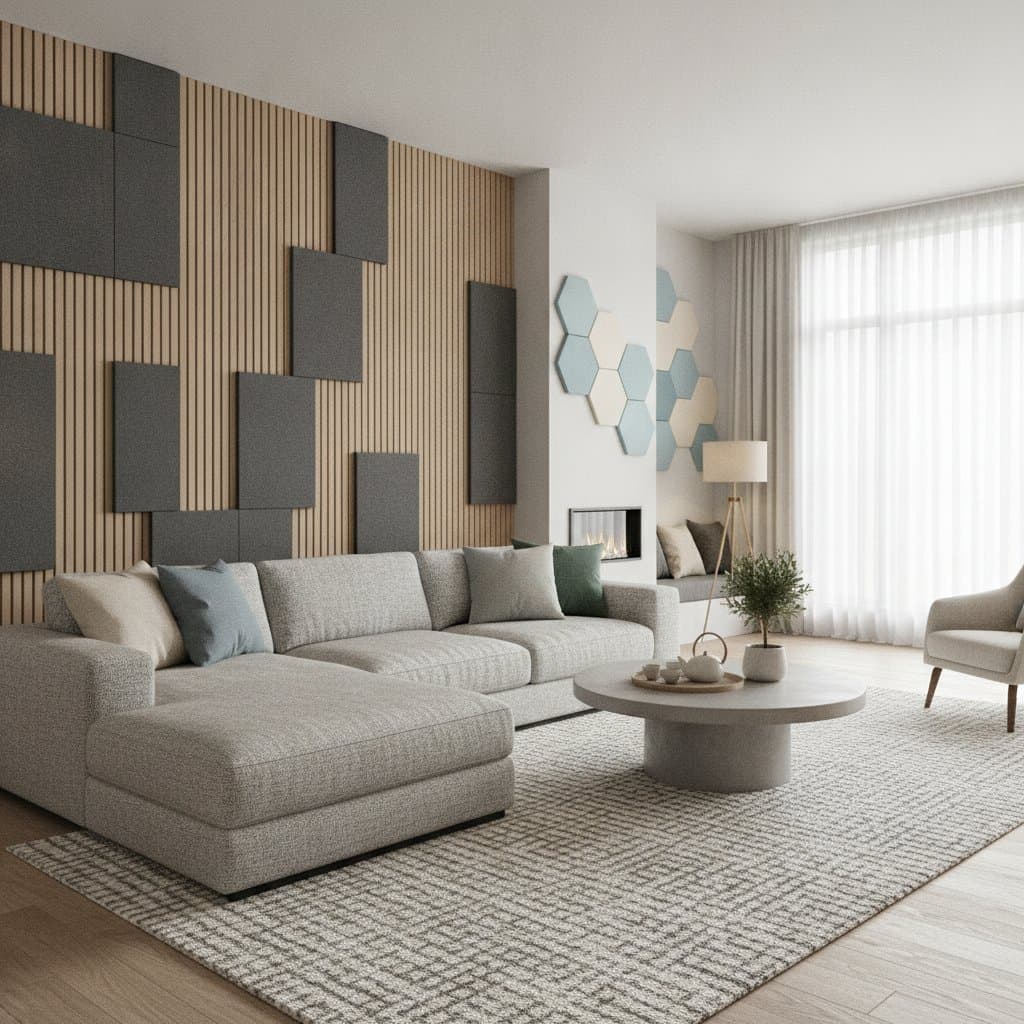
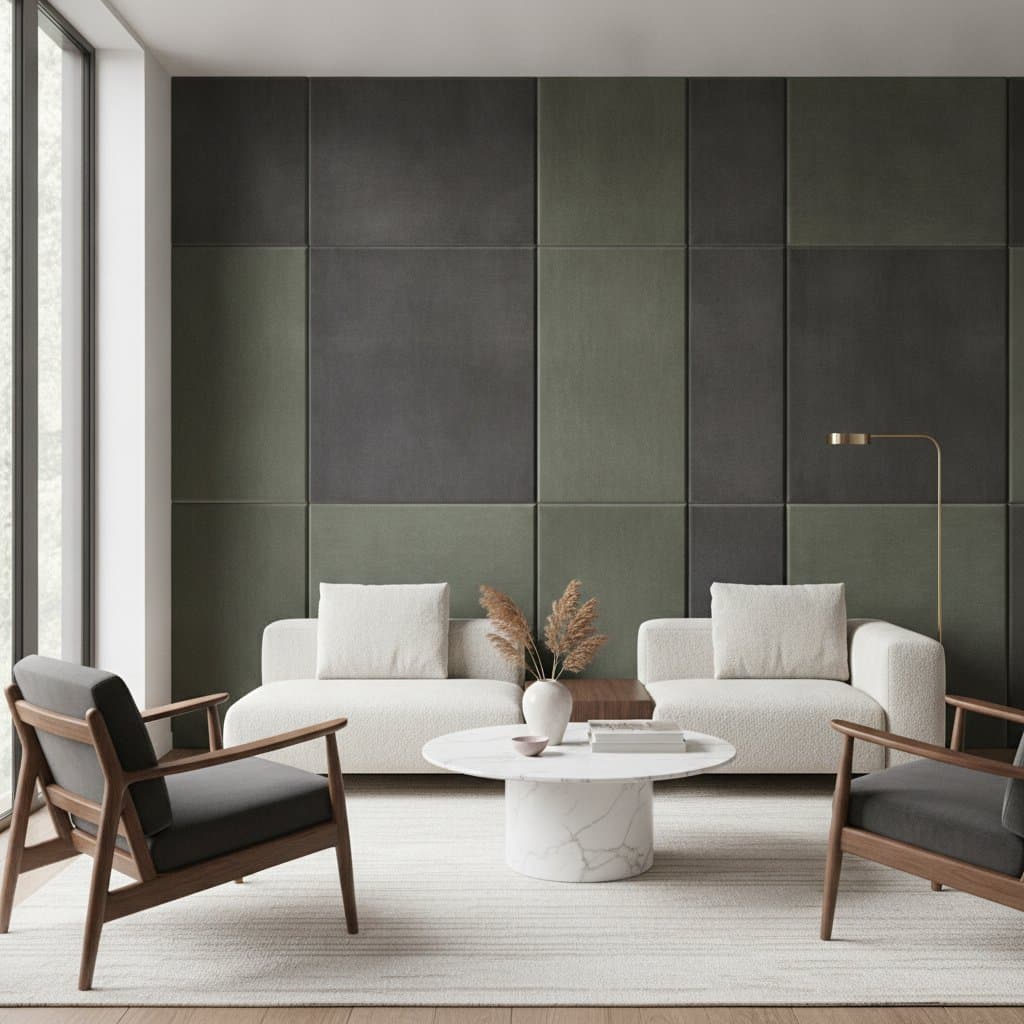
Fabric-wrapped panels offer versatility in color and texture, mimicking artwork or upholstery. They absorb mid-to-high frequency sounds effectively, ideal for living rooms or bedrooms. Installation involves adhesive backing or mounting frames for easy customization.
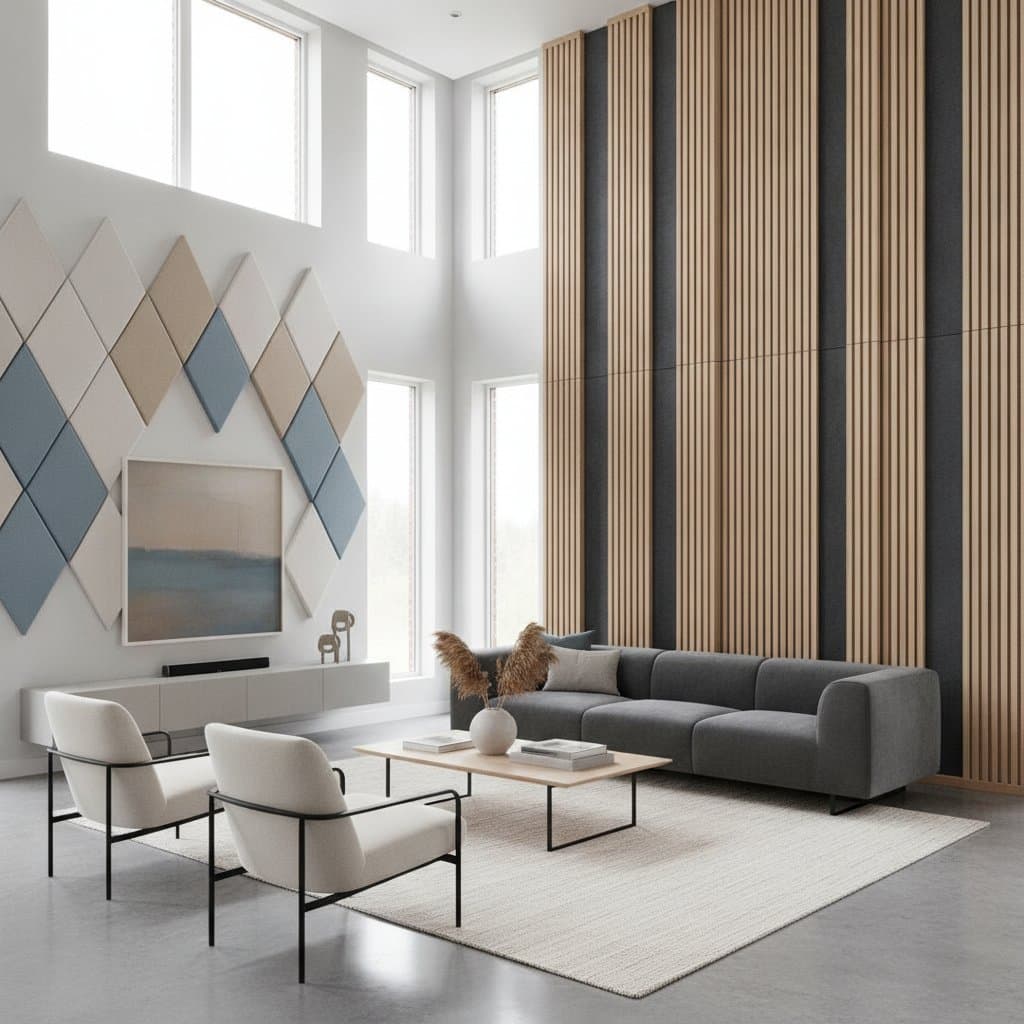
Wooden slat panels combine natural grains with acoustic underlayment, providing a modern, linear aesthetic. These suit minimalist designs and handle broader sound spectra. They often feature hidden absorbers behind the slats for seamless integration.
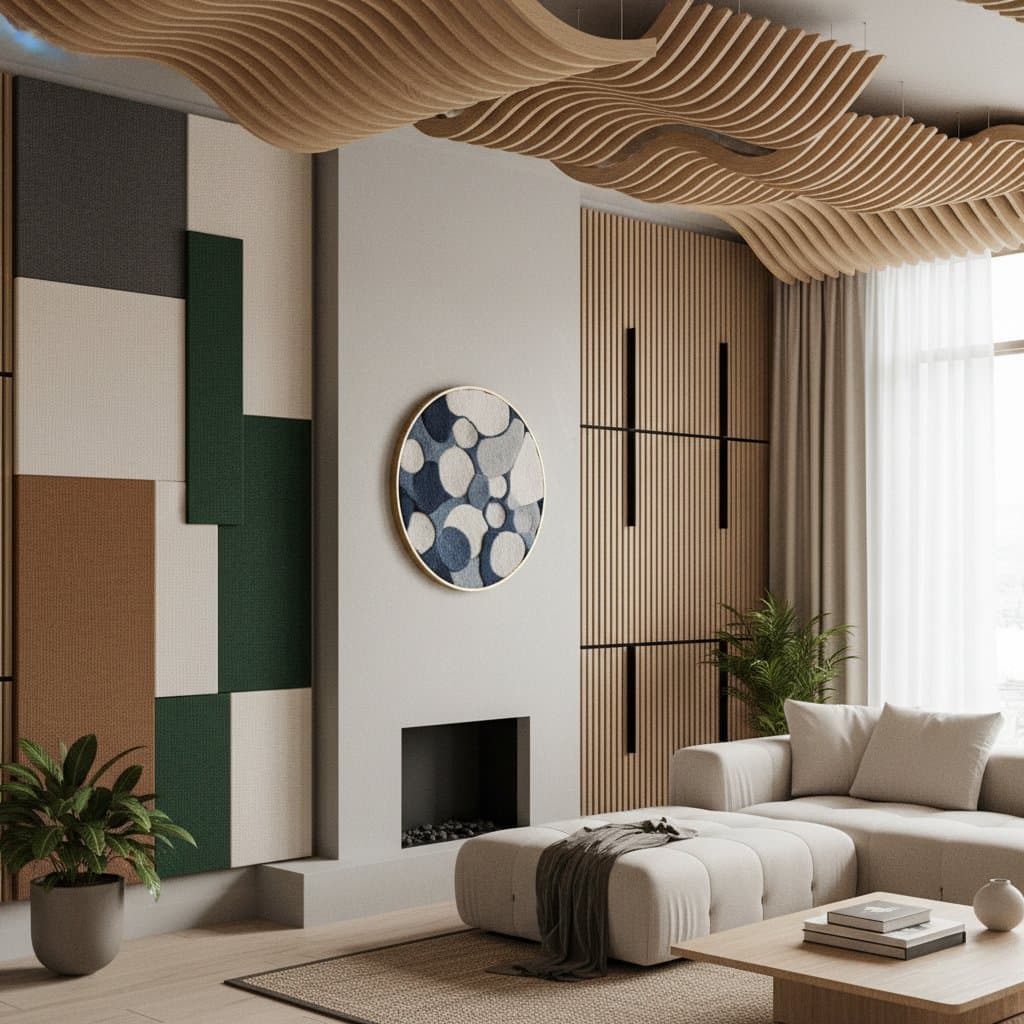
Sculptural or art-inspired panels elevate decor while functioning as sound diffusers. Available in shapes like waves or abstracts, they scatter sound waves to reduce harsh reflections. Such options work well in creative spaces like studios or entryways.
Ceiling baffles and cloud panels address overhead noise in tall rooms. Suspended designs add dimension without overwhelming walls. They prove particularly useful in kitchens or dining areas where steam and echoes coexist.
Selecting the Right Panels for Your Home
Assess the room's primary use to guide choices. For offices, prioritize panels that minimize distractions during calls. In entertainment areas, focus on those enhancing audio fidelity.
Consider scale and placement. Larger panels cover more surface area for greater absorption, while smaller ones accentuate features. Measure dimensions and test samples against lighting to ensure visual fit.
Budget influences material selection. Basic fabric options start affordably, while custom wood designs command premium prices. Balance cost with longevity, as quality panels endure years of use.
Installation and Integration Strategies
Prepare surfaces by cleaning and ensuring level mounting points. For wall applications, use command strips for renters or screws for permanent setups. Follow manufacturer guidelines to maximize acoustic performance.
Incorporate panels into existing decor. Frame fabric types like gallery art or align wood slats with furniture lines. This approach maintains cohesion across rooms.
Combine elements for comprehensive coverage. Pair wall panels with rugs or curtains for layered absorption. Start small, such as treating one wall, then expand based on observed improvements.
Professional consultation benefits complex installations. Acousticians analyze room specifics using tools like sound meters. This ensures optimal placement without guesswork.
Benefits Beyond Noise Reduction
Improved acoustics sharpen focus and reduce stress levels. Clearer communication strengthens interactions in shared spaces. Homeowners report enhanced enjoyment of hobbies like reading or music listening.
These panels contribute to property value by modernizing interiors. They appeal to buyers seeking thoughtful designs. Energy efficiency arises indirectly, as better sound control optimizes heating and cooling in balanced environments.
Sustainability features in many products, with recycled fabrics or FSC-certified woods. This aligns with eco-conscious living without compromising style.
Creating Harmonious Homes Through Acoustics
Acoustic panels transform ordinary spaces into refined retreats. They invite intentional design that nurtures peace amid daily rhythms. Invest in these elements to experience the subtle power of sound-shaped serenity.
Begin with a single project to witness the shift. Observe how conversations flow easier and atmospheres feel calmer. Over time, this foundation supports broader enhancements, yielding homes that resonate with comfort and elegance.