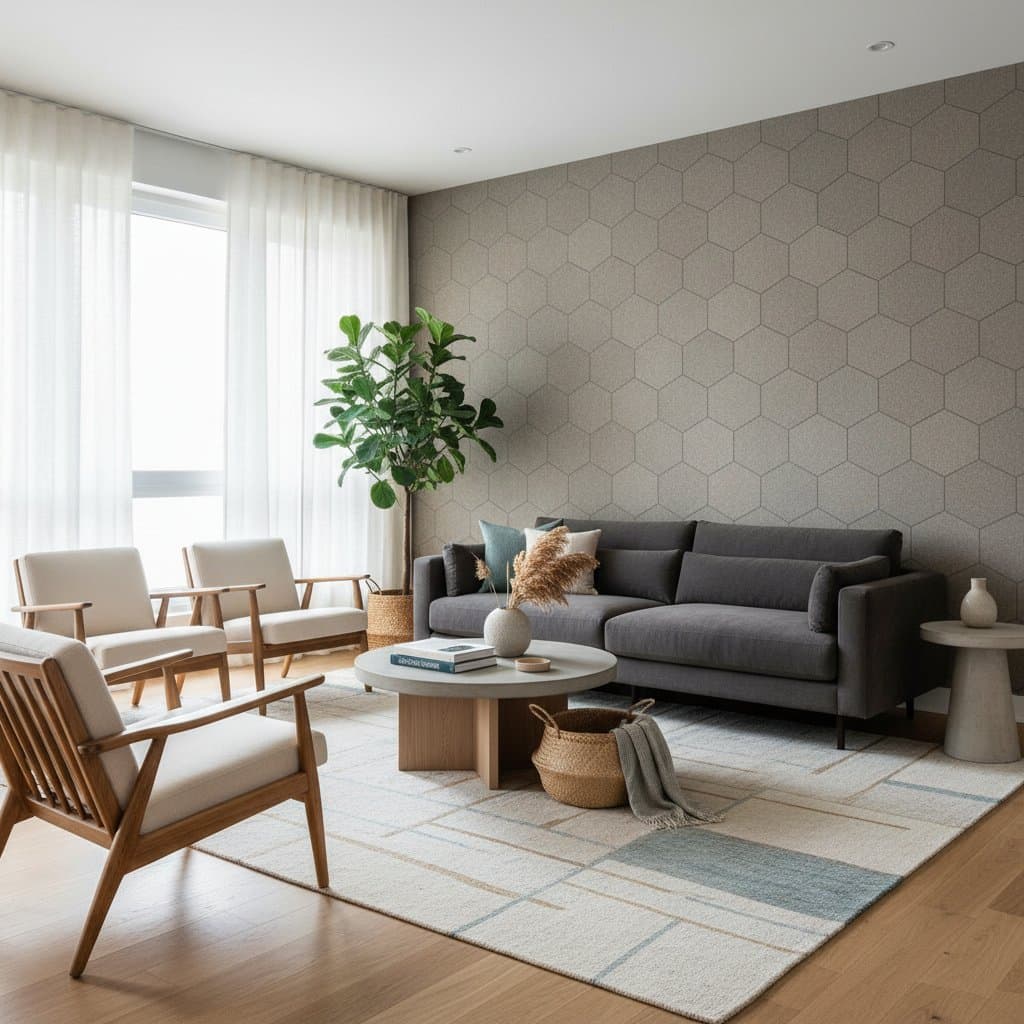
Acoustic Panels: Blending Art and Sound Control in Living Rooms
A living room may appear complete with its furnishings, yet persistent echoes from hard surfaces like walls, windows, and floors can undermine the ambiance. These reflections create a hollow quality that disrupts conversations and media enjoyment. Acoustic panels address this issue elegantly, serving as both functional absorbers and stylish decor elements that integrate seamlessly into modern interiors.
Designers now craft these panels to resemble abstract art, woven textiles, or framed compositions. They mitigate sound waves without drawing attention to their purpose. Strategic placement yields rooms that feel more intimate and acoustically balanced, fostering comfort for daily use.
Identifying Echo Challenges in Open Living Spaces
Open-plan living rooms often prioritize visual spaciousness through high ceilings, hard flooring, and sparse decor. This setup, while airy, amplifies sound reflections, leading to prolonged echoes that muddle dialogue or distort audio playback. The result is a space that looks inviting but feels acoustically strained.
In one project, designer Clara Nguyen encountered a minimalist living area where echoes turned family interactions into frustrating experiences. The clients avoided evening gatherings because spoken words lingered unnaturally. Key issues included reverberation that garbled speech, constrained wall areas occupied by windows or existing art, and reluctance to introduce obvious acoustic fixes that could disrupt the clean aesthetic.
Common challenges encompass:
- Reverberation that interferes with clear communication.
- Scarce surfaces for treatment amid expansive glass or artwork.
- Aesthetic concerns over treatments that fail to harmonize with interior styles.
Exploring Materials and Design Features
Materials and Textures
Felt and wool combinations offer inherent sound absorption in diverse hues, providing a soft tactile quality. Perforated wood veneers introduce natural warmth and dimension, effectively diffusing reflections from adjacent surfaces. Fabric-covered foam cores prove lightweight and versatile, allowing customization with prints or weaves that align with room themes. Recycled PET fiber panels deliver eco-friendly absorption rates, maintaining performance across various frequencies.
Patterns and Arrangements
Modular grid systems form clustered displays reminiscent of contemporary galleries, using squares or rectangles for balanced coverage. Organic contours, such as curved or asymmetrical profiles, inject fluidity into stark environments and promote dynamic sightlines. Layered configurations with varying depths create shadow play while targeting specific sound ranges for comprehensive control.
Installation Methods
Mounting rails facilitate easy adjustments as room functions evolve. Adhesive backing suits temporary setups, ideal for leased properties. Ceiling-suspended clouds tackle vertical sound paths in lofty areas, preventing buildup from below.
Incorporating Lighting
Integrate slim LED strips within panel edges or use adjustable wall fixtures to accentuate surface details. This approach not only enhances visibility but also contributes soft illumination, turning panels into evening highlights.
Strategic Placement for Optimal Results
Effective acoustics hinge on precise positioning rather than sheer quantity. Focus on high-impact locations within living rooms to maximize benefits.
- Position panels behind primary seating to capture direct reflections and sharpen vocal intelligibility.
- Place units opposite expansive windows to counteract sharp bounces from glass.
- Install above media setups to minimize distortions from speakers or on-screen audio.
- Apply to ceilings in spaces with reflective floors or limited soft goods for overhead diffusion.
In connected layouts, such as those adjoining kitchens, extend treatments to transition zones to contain sound travel. Compact urban dwellings benefit from targeted applications, where even modest additions yield significant clarity gains.
Balancing Design Choices
Darker or bulkier panels risk compressing smaller areas visually, so pair them with neutral shades or uncovered expanses for equilibrium. Wool and felt surfaces benefit from periodic steaming to preserve form and vibrancy. For adhesive installations, select slender profiles to ensure secure adhesion; heavier variants require rail supports for stability.
These considerations pale against the enduring gains in auditory ease and spatial harmony.
Implementing Acoustic Enhancements at Home
Step 1: Assess and Test
Identify echo hotspots by playing audio or conversing across the room. Introduce initial panels in these zones, then evaluate changes from various positions to confirm improvements.
Step 2: Layer with Existing Elements
Pair panels with rugs, curtains, or cushioned seats to amplify absorption collectively. This multi-tiered strategy boosts both sonic and visual coziness without overwhelming the design.
Step 3: Address Corner Accumulations
Corners trap sound waves; deploy vertical panels or folding screens there to disperse buildup discreetly.
Step 4: Select Complementary Styles
Opt for panels that echo your color scheme or incorporate favored motifs, ensuring they integrate as intentional decor rather than add-ons.
Step 5: Enhance with Illumination
Direct beams toward panels to reveal textures, transforming them into subtle nighttime features that enrich the mood.
Experiencing the Transformation
Installed panels shift the sensory experience profoundly. Dialogue flows naturally, media volumes drop to comfortable levels, and the environment radiates tranquility. Homeowners frequently note an unspoken relief, as if the space has breathed easier.
Nguyen shared her clients' feedback post-installation: “They called me and said, ‘We didn’t realize how much the sound bothered us until it disappeared.’ That’s when you know the design is working.”
Superior acoustics operate invisibly, allowing sounds to resolve without interference. These artful panels embody that principle, uniting technical precision with aesthetic grace to redefine living spaces.