Acoustic Panels: Merging Artful Design with Sound Control
A serene home environment promotes relaxation and well-being. Open layouts, high ceilings, and reflective surfaces often amplify noise, leading to echoes that disrupt conversations and create fatigue. Acoustic panels provide an effective solution by absorbing sound waves and introducing visual elegance. Contemporary versions transcend utilitarian foam blocks, incorporating sophisticated materials like fabric, wood, and felt to serve as decorative elements that elevate interior aesthetics.
Understanding the Dual Functionality of Acoustic Panels
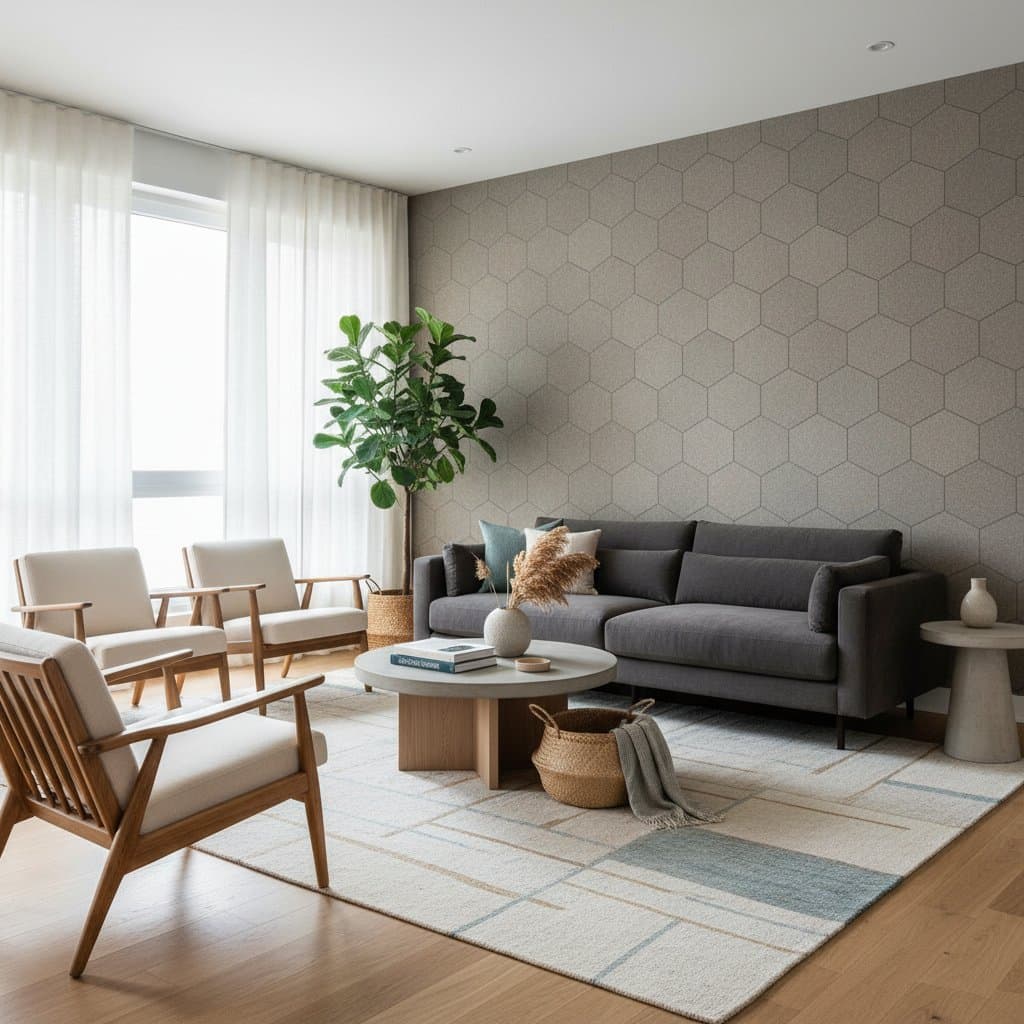
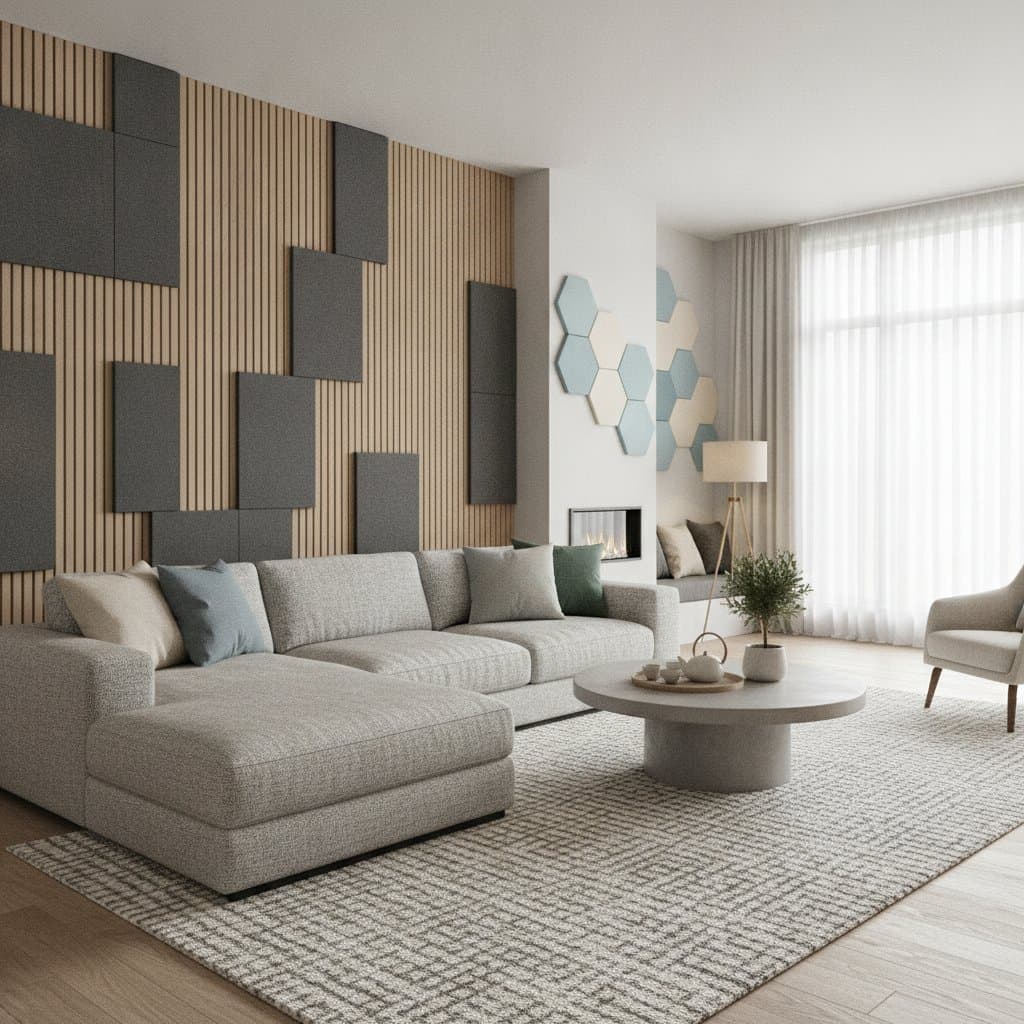
Acoustic panels consist of porous cores, such as fiberglass or mineral wool, encased in decorative finishes that trap sound energy and prevent reverberation. This process clarifies speech and diminishes ambient noise, fostering a more comfortable atmosphere. Designers now integrate these panels into home decor through varied aesthetics: linen-wrapped rectangles for subtle sophistication, velvet-clad curves for plush luxury, or slatted wood configurations for a modern edge.
The appeal stems from their versatility in enhancing both auditory and visual harmony. In a bustling kitchen-dining area, panels behind the table absorb clinking dishes and chatter, making gatherings more pleasant. A home office benefits from panels along side walls, reducing distractions and promoting concentration. Media rooms gain depth as panels soften bass rumble, allowing for immersive viewing without overwhelming volume.
Selecting Styles to Complement Your Interior
Panel selection begins with assessing the desired ambiance and existing decor palette.
- Minimalist environments: Opt for matte finishes in grayscale hues with slim profiles that integrate seamlessly.
- Warm, inviting spaces: Select upholstered options in earth tones or subtle weaves that add tactile comfort.
- Dramatic accents: Incorporate metallic-infused or abstract-patterned panels to draw the eye as focal points.
- Organic integrations: Choose bamboo or reclaimed wood veneers for a biophilic touch that echoes natural surroundings.
Strategic positioning amplifies effectiveness. Identify primary reflection points using a simple clap test: areas where sound returns sharply require priority coverage. Position panels at ear height, spaced 2 to 4 feet apart, to cover 20 to 30 percent of wall surface for optimal results. In larger rooms, cluster panels in asymmetrical arrangements to avoid a clinical appearance.
Implementing Acoustic Panels Effectively
Installation transforms theory into tangible improvement through methodical steps.
- Evaluate acoustics: Play audio or converse loudly to pinpoint echo hotspots, such as corners or bare walls.
- Calculate coverage: Measure wall dimensions and aim for panels totaling 15 to 25 percent of the surface area, adjusting based on room volume.
- Diversify designs: Alternate rectangular and hexagonal shapes, or mix matte and textured finishes, to create dynamic wall compositions.
- Secure mounting: Use Z-clips for permanence on drywall or command strips for renters, ensuring level alignment with a laser tool.
- Enhance visibility: Position adjustable LED strips or sconces to graze surfaces, accentuating depth and material nuances.
These measures suit DIY enthusiasts, requiring basic tools like a level and drill. Begin modestly with a single accent wall to gauge impact, then expand as needed. The transformation often reveals itself within hours, yielding quieter tones and heightened coziness.
Addressing Practical Concerns
Skepticism about aesthetics persists, with fears of institutional vibes or overwhelming bulk. Current innovations counter this through slim profiles under 2 inches thick and customizable sizes from 12 by 12 inches to full-wall murals. Align selections with room motifs: pair neutrals with bold furniture or vibrant fabrics with subdued schemes for balance.
Budget considerations favor modular systems, where starter kits of four panels cost under $200 and deliver measurable noise reduction. For transient living, freestanding screens or magnetic attachments allow repositioning without residue. Maintenance involves occasional dusting, preserving both function and form over years.
Experiencing the Benefits of Integrated Acoustics
Post-installation, the shift registers on multiple levels: auditory clarity sharpens focus, while visual warmth invites lingering. Stereo systems render nuances previously lost, and social interactions flow without strain. This synergy extends to complementary elements, such as area rugs that muffle footsteps or sheer drapes that diffuse light and sound.
Sustained use cultivates mindfulness in design choices, prioritizing sensory balance. Homes evolve into refuges where visual artistry and acoustic precision converge, delivering enduring tranquility.