The Appeal of Multifunctional Living Room Design
Living rooms serve as the heart of many homes, hosting conversations, entertainment, and relaxation. Yet, open spaces often amplify echoes and background noise, disrupting comfort. Acoustic panels address this challenge by offering sound control that integrates seamlessly with decor, functioning as both practical tools and artistic statements.
These panels absorb unwanted reverberations, creating a more balanced auditory environment. Homeowners appreciate how such solutions elevate the overall experience without sacrificing style. Consider the transformation from a chaotic soundscape to one of refined tranquility.
Understanding Acoustic Panels and Their Benefits
Acoustic panels consist of core materials designed to trap sound waves, preventing them from bouncing off hard surfaces like walls and floors. In living rooms, they reduce echoes from televisions, music, or voices, fostering clearer dialogue and immersive media enjoyment. Beyond functionality, modern panels feature aesthetic enhancements that align with contemporary interiors.
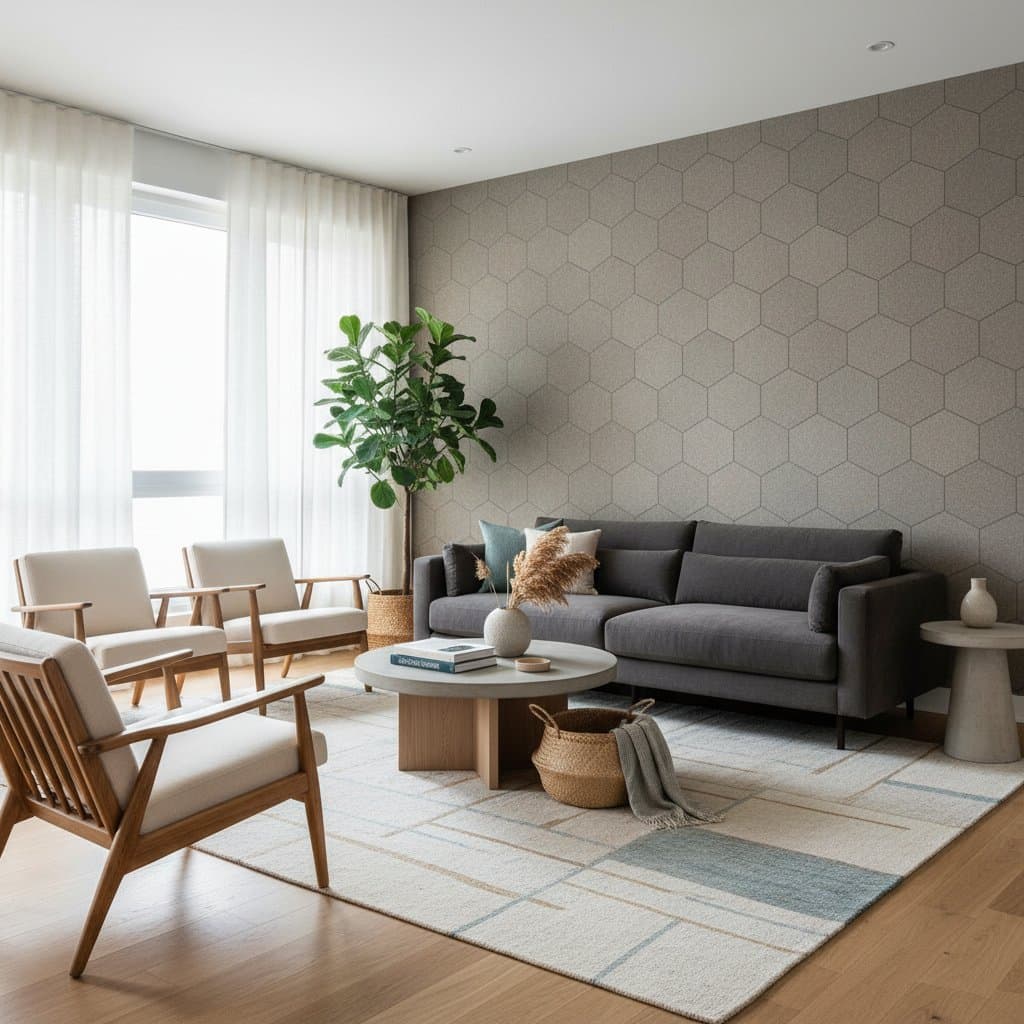
The primary benefit lies in improved acoustics, which contribute to reduced stress and enhanced focus. Families notice fewer distractions during gatherings, while individuals find solace in quieter reading nooks. Visually, these panels add texture and color, turning blank walls into focal points that reflect personal taste.
Health aspects also play a role; diminished noise levels promote better sleep and concentration, especially in urban settings with external sounds. Selecting panels that match room dimensions ensures optimal performance without overwhelming the space.
Exploring Design Options for Acoustic Art
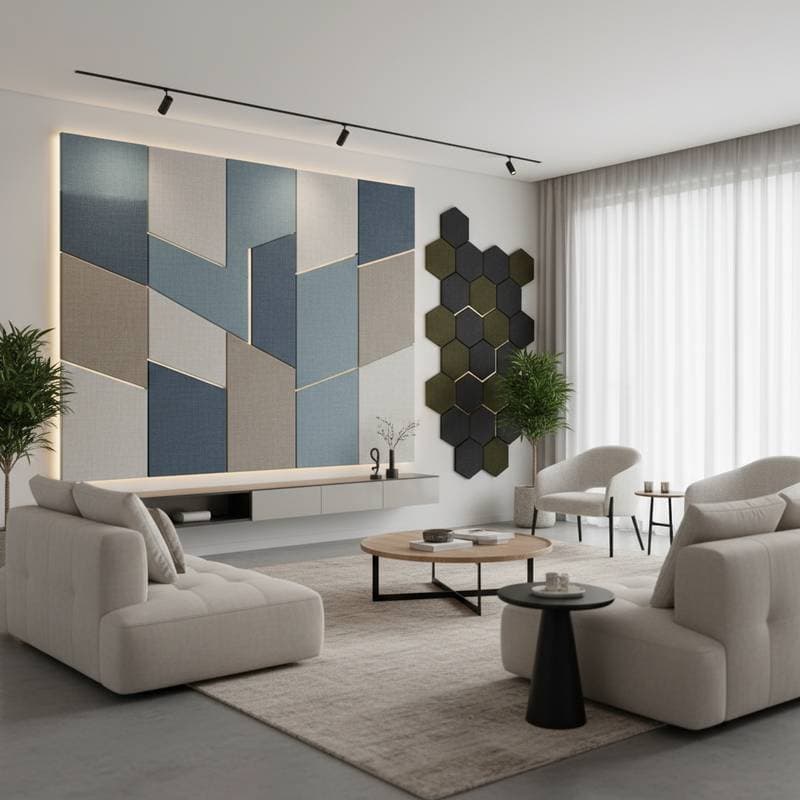
Designers now craft acoustic panels in diverse styles to suit varied aesthetics. Fabric-wrapped versions offer a soft, upholstered look, available in neutral tones or bold patterns that mimic gallery canvases. These pieces hang like traditional artwork, blending into minimalist or eclectic schemes.
Modular systems provide flexibility, allowing users to arrange panels in geometric patterns or custom shapes. Such configurations adapt to room layouts, covering walls partially or fully for targeted absorption. Materials like felt or cork add natural textures, appealing to eco-conscious decorators.
Art-inspired panels incorporate printed images or abstract designs, transforming them into conversation starters. For instance, a panel mimicking a landscape painting absorbs sound while serving as decor. These options ensure that acoustic treatment enhances rather than detracts from the room's visual narrative.
Selecting Panels That Suit Your Space
Begin the selection process by assessing your living room's acoustic needs. Measure echo levels by clapping hands; prolonged reverberation indicates a requirement for coverage of at least 20 to 30 percent of wall surfaces. Consider the room's primary uses, such as home theaters or social hubs, to prioritize absorption levels.
Evaluate material quality for durability and effectiveness. High-density fiberglass cores wrapped in acoustically transparent fabrics deliver reliable performance. Opt for panels certified for sound reduction coefficients above 0.8 to guarantee results.
Match designs to existing decor. Neutral panels integrate subtly, while vibrant ones add personality. Budget considerations include size and quantity; larger panels cover more area efficiently, often proving cost-effective over time.
Consult color schemes and lighting. Lighter fabrics reflect ambiance, whereas darker ones create depth. Test samples in the space to visualize integration before committing to a full installation.
Practical Installation Guidance
Installation starts with planning placement for maximum impact. Position panels on parallel walls opposite noise sources, such as speakers or entryways, to intercept sound paths effectively. Use adhesive hooks or mounting brackets for secure, non-damaging attachment to drywall.
For fabric-wrapped panels, ensure frames align evenly to avoid gaps that diminish absorption. Modular sets snap together via connectors, simplifying assembly for DIY enthusiasts. Follow manufacturer guidelines for spacing, typically one to two inches from the wall to enhance airflow and efficacy.
Professional assistance benefits complex setups, like ceiling integrations, ensuring level hangs and balanced distribution. After installation, test acoustics by playing audio; adjustments may involve repositioning for refined results.
Maintenance involves gentle dusting with soft cloths to preserve fabrics. Avoid direct sunlight exposure to prevent fading, and vacuum cores periodically if accessible. These steps keep panels performing and looking pristine for years.
Enhancing Everyday Living Through Sound and Style
Integrating acoustic panels as art pieces redefines living room functionality. Homeowners report heightened enjoyment in daily activities, from movie nights to quiet evenings. The synergy of silence and sophistication creates spaces that nurture well-being.
Experiment with combinations, such as pairing panels with rugs or curtains for comprehensive treatment. Track improvements in comfort to appreciate the investment's value. Ultimately, these elements craft environments where design and acoustics harmonize, inviting prolonged stays and cherished moments.