Soundproof Your Space with Artistic Acoustic Panels
A quiet home environment promotes immediate calm. Sound that bounces off bare walls or penetrates from outside disrupts focus and drains energy. Residents of busy apartment buildings, remote workers in home offices, or individuals seeking greater peace all benefit from noise reduction. Artistic acoustic panels absorb sound effectively. These panels add warmth and character to interiors while easing daily stress.
The Quiet Beauty of Functional Design
Traditional soundproofing solutions appear industrial and uninviting. Modern acoustic panels function as decorative elements. Available in diverse shapes, colors, and textures, they suit various interior styles. Options resemble fabric artworks or sculptural wall tiles. This integration of aesthetics and utility allows users to reduce echoes in rooms without compromising visual appeal.
Consider a living room where conversations proceed without distracting reverberations. Envision a bedroom that remains serene amid external clamor. Proper panel selection creates these tranquil experiences as routine comforts.
Getting Started: Where Sound Lingers
Before selecting panels, dedicate time to observe sound patterns. Identify areas where noise accumulates or sounds sharp. Echoes commonly build in spacious rooms with hard surfaces. Kitchens, offices, and living areas require particular attention. Clap hands sharply and note the echo duration. Prolonged reverberation indicates a need for greater absorption.
Common noise sources include:
- Traffic or neighbor conversations passing through thin walls
- Footsteps and voices reflecting from tile or hardwood floors
- Audio systems or musical instruments generating vibrations
- Office sounds traveling across open spaces
Target these zones to position acoustic art strategically.
Choosing Panels That Match Your Style
Acoustic panels feature materials such as fabric-wrapped foam or natural wood slats. Choices align with acoustic requirements and aesthetic preferences.
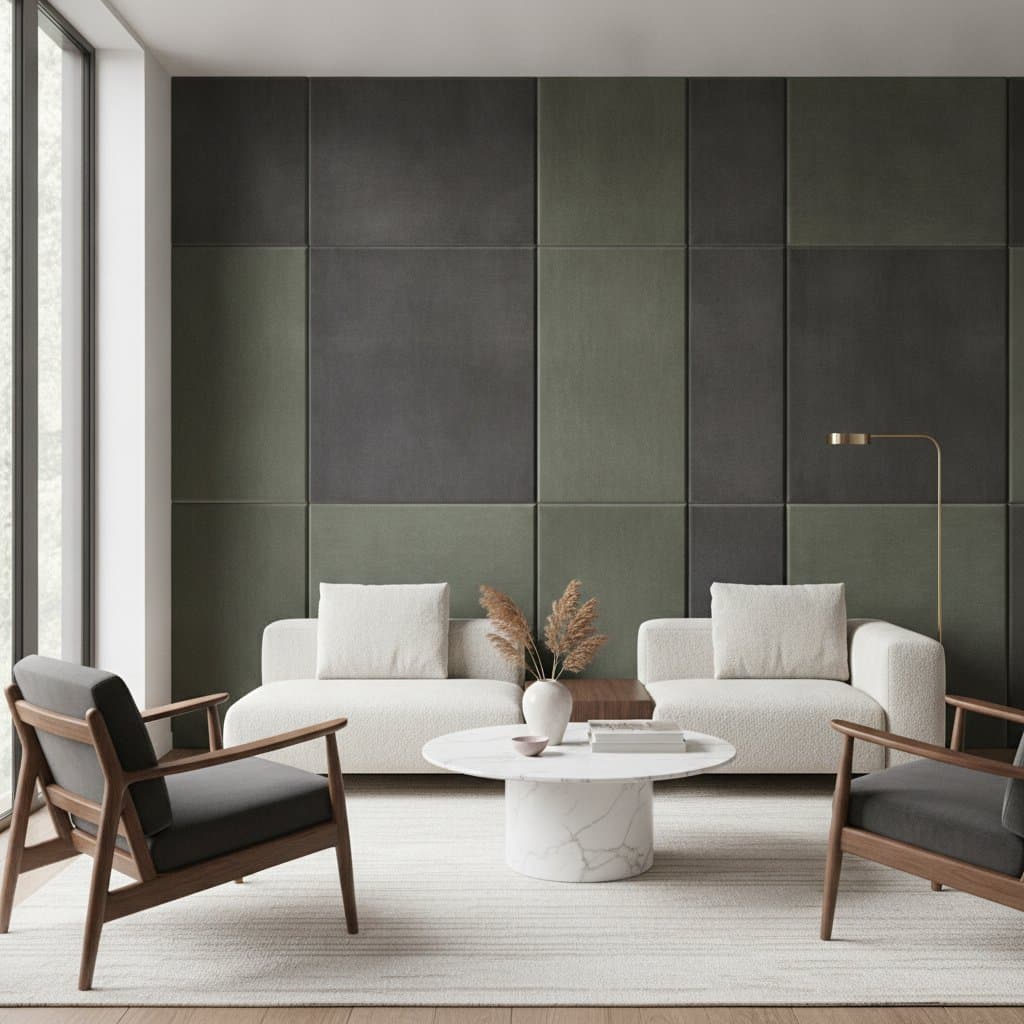
Fabric Panels: These soft options allow customization through printed patterns or woven textures. They integrate well in living rooms, bedrooms, and offices, absorbing mid-range frequencies effectively.
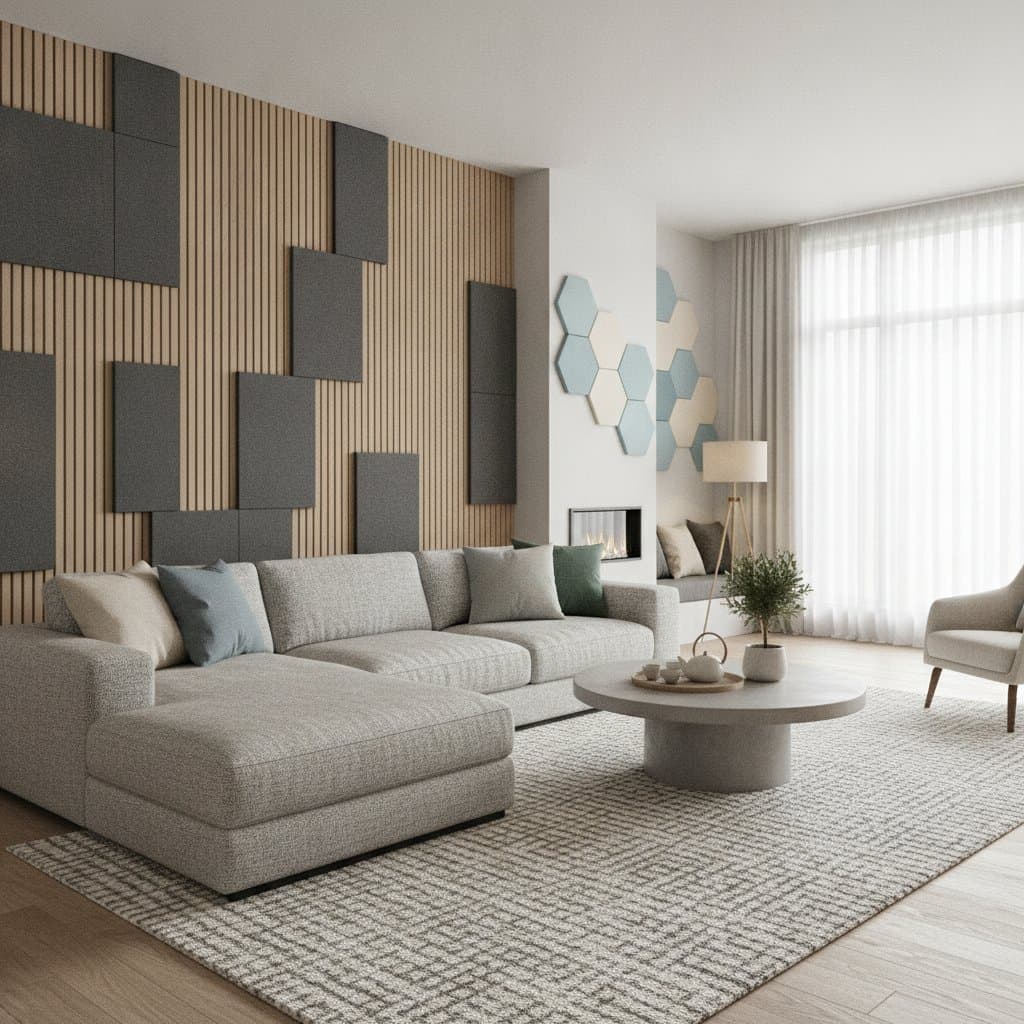
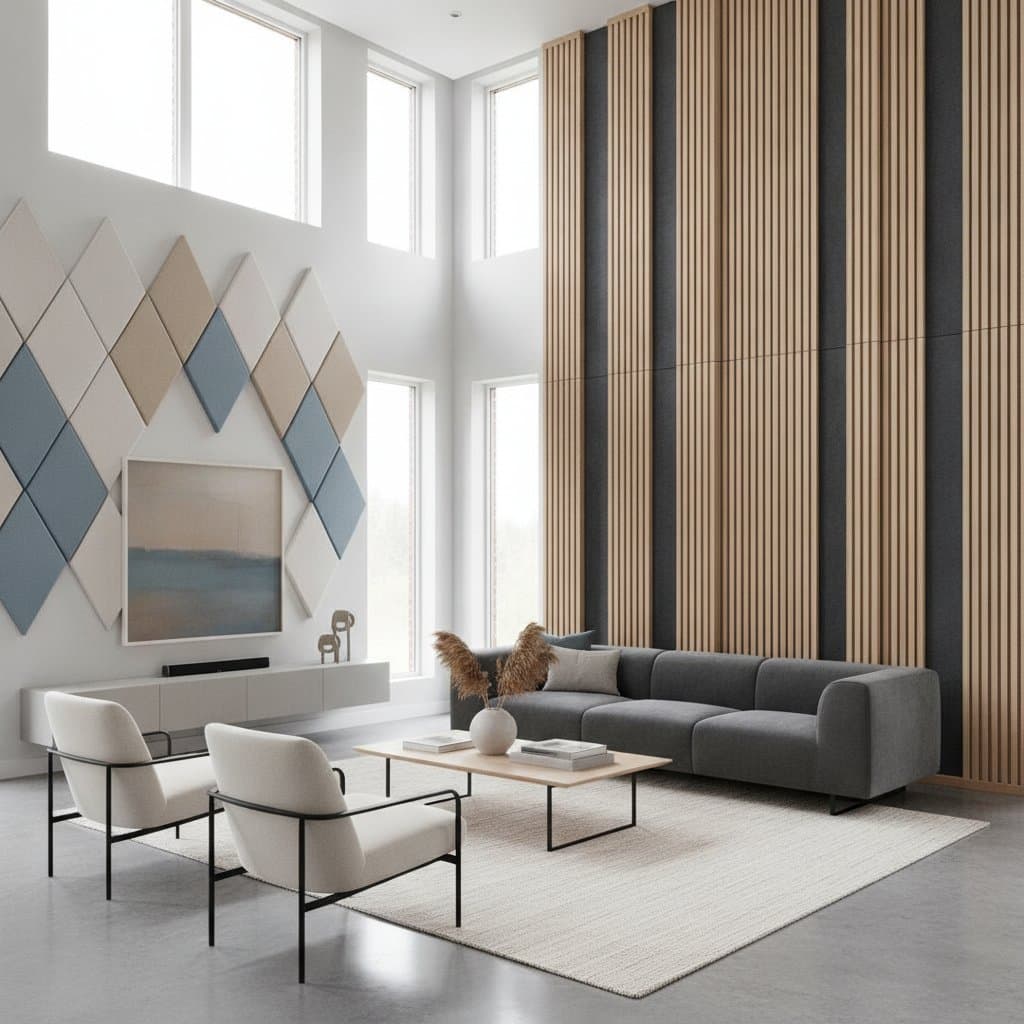
Wood Slat Panels: Slatted designs diffuse sound waves, with felt backing for absorption. They provide a sleek, architectural appearance ideal for modern or minimalist interiors.
Cork or Felt Tiles: Materials like cork and felt deliver moderate sound control with an organic texture. Arrange them in geometric configurations to add visual interest.
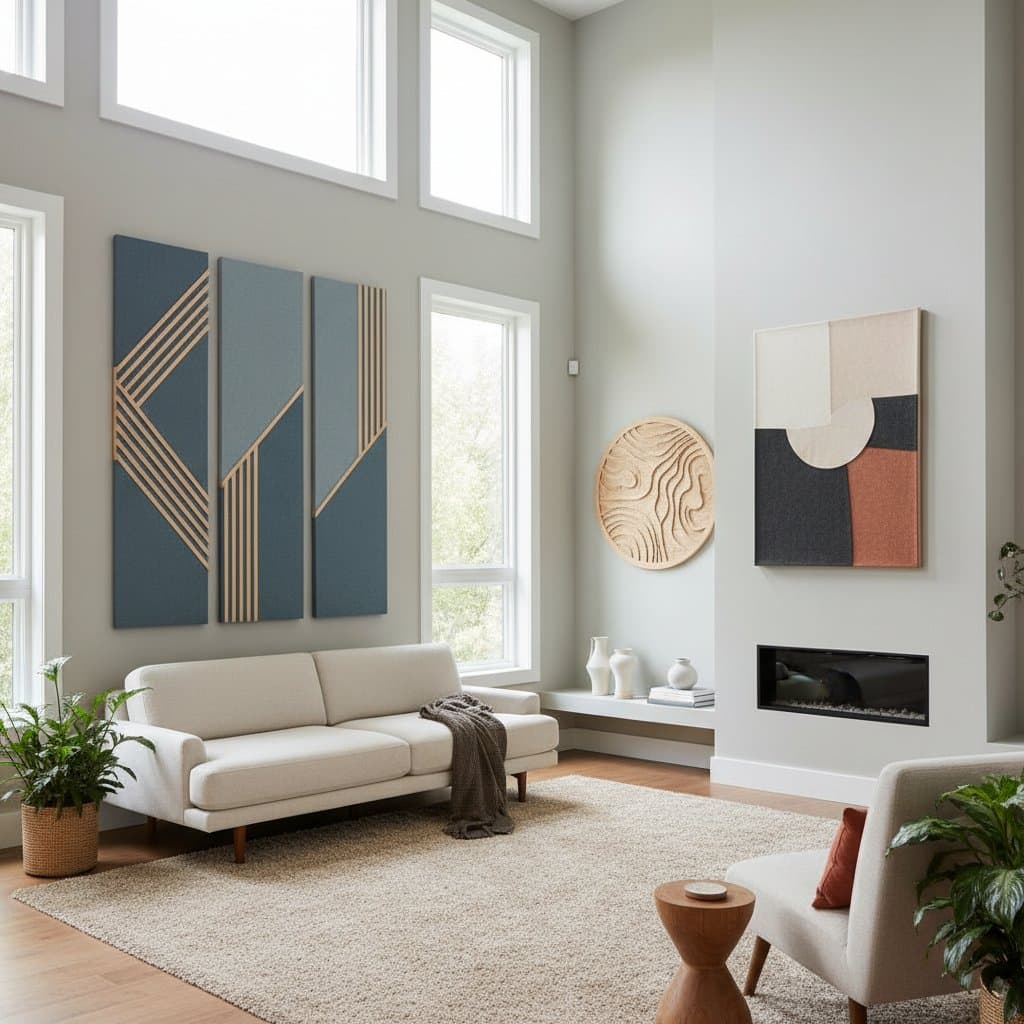
Canvas Acoustic Art: Manufacturers print images onto sound-absorbing fabric. This approach displays personal artwork while enhancing room acoustics.
Select colors based on desired ambiance. Neutral shades foster tranquility, whereas vibrant hues invigorate spaces without amplifying noise.
Step-by-Step: Installing with Ease
Professional skills prove unnecessary for wall upgrades with acoustic panels. Complete the process in one afternoon using basic tools.
-
Measure the Wall: Determine coverage needs. Cover approximately one-third of the wall in high-echo zones for initial impact.
-
Plan the Layout: Position panels on the floor to evaluate spacing and balance. Approach them as artistic compositions, varying shapes, colors, or textures.
-
Mark and Mount: Apply removable adhesive strips or specialized brackets. Adhere to manufacturer specifications for weight limits to ensure secure installation.
-
Test the Sound: After mounting, converse or play audio in the room. Expect reduced echo and more defined sound quality.
-
Refine the Setup: If sharpness persists, incorporate rugs, heavy curtains, or additional panels. Combining elements amplifies noise reduction.
Common Roadblocks and Simple Fixes
Style Integration Concerns: Panels risk appearing institutional. Opt for art-like designs with custom prints or fabric covers that harmonize with existing decor.
Decision Overload: Begin with minimal placement. A small set yields detectable improvements, allowing gradual expansion.
Space Constraints: Prioritize corners or ceilings with acoustic clouds or bass traps. These target low frequencies and preserve wall space.
Rental Limitations: Select peel-and-stick varieties or lightweight frames for damage-free removal. Felt and foam types attach without specialized tools.
Address these issues to proceed confidently toward an optimized acoustic environment.
Designing for Calm and Creativity
Effective noise control extends beyond mere reduction. It cultivates concentration, repose, and interpersonal bonds. In home offices, superior acoustics sharpen productivity. Living rooms gain intimacy through clearer dialogues. Bedrooms support profound rest in quieter settings.
Panels encourage innovative arrangements. Construct a focal wall using hexagonal felt tiles in muted colors. Install slim wood slats along hallways to interact with natural light. Such decisions express individual taste while elevating livability. This harmony of utility and form defines the approach.
Maintaining Your Acoustic Improvements
Allow time to appreciate changes after installation. The subdued ambiance starts subtly but soon anchors daily routines. Voices may soften naturally, and ambient sounds recede.
Preserve panels through gentle dusting or vacuuming with a brush attachment. Realign them during furniture shifts to sustain equilibrium. Introduce complementary pieces as preferences develop over time.
Advancing Your Home's Serenity
Acoustic panels transform spaces through deliberate sound management. They foster environments ripe for inspiration and renewal. Each addition reinforces a nurturing interior that mirrors intentional care.