Acoustic Panels: Blending Sound Control with Living Room Style
Picture a living room where every sound bounces excessively, turning casual conversations into distant echoes and movie nights into auditory chaos. This common issue arises from hard surfaces that reflect noise rather than absorb it. Acoustic panels solve this problem by capturing unwanted reverberations while serving as attractive wall features that elevate the room's design.
People typically picture acoustic panels in professional settings like studios, but modern versions fit seamlessly into home environments. Available in fabrics, patterns, and custom prints, these panels combine practical sound management with decorative appeal. The sections below detail installation strategies, expected outcomes, and ways to harmonize them with your interior.
Design Options for Acoustic Panels in Living Spaces
Today's acoustic panels go far beyond basic shapes and colors. Designers treat them as key elements in room layouts, offering shapes, textures, and visuals that enhance both function and form. Consider these specific types to match your style and acoustic needs.
-
Fabric-Wrapped Panels
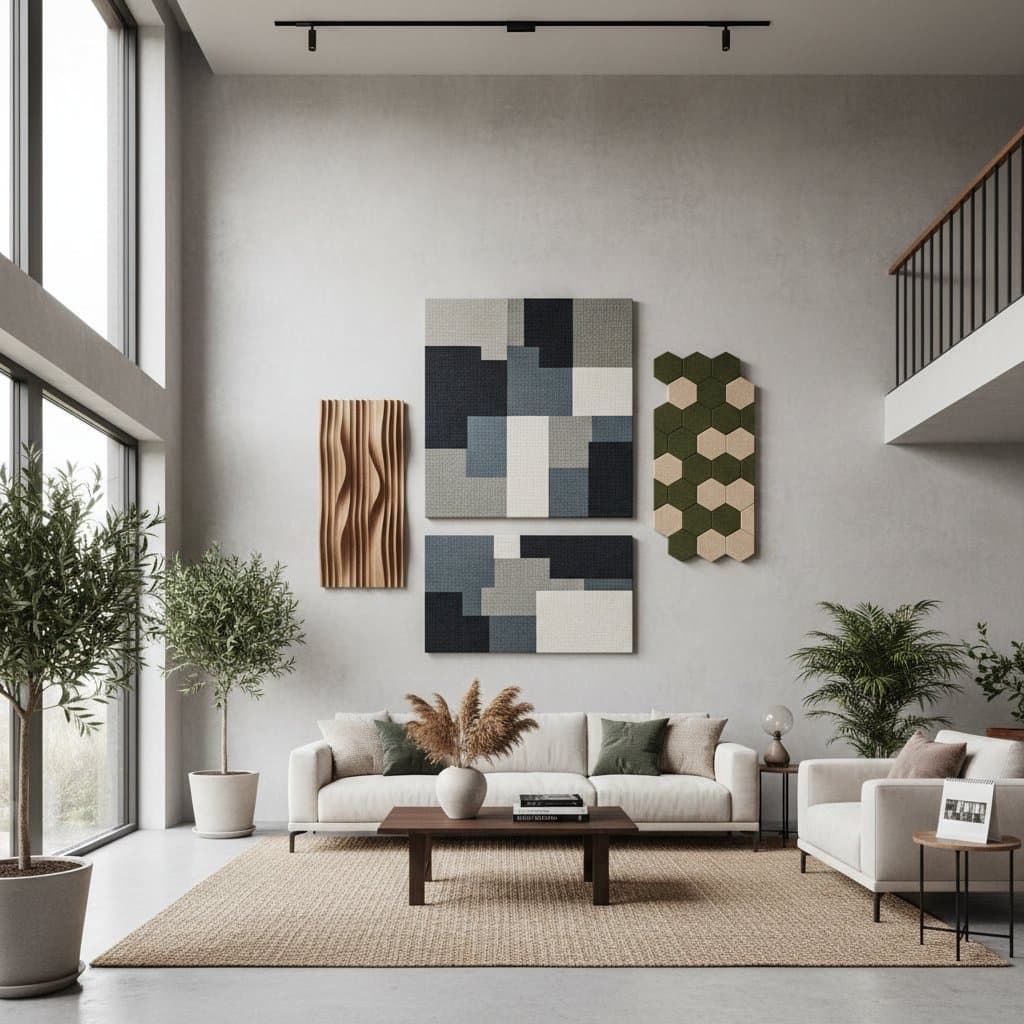
Wrap a sound-absorbing core in breathable fabric like linen for texture or velvet for sophistication. Choose colors that complement your palette, such as soft grays or bold blues. Hang one large panel as a focal point above a sofa, or group several in a grid for a gallery effect. This setup targets mid-to-high frequency echoes, creating a softer ambiance without sacrificing elegance. -
Printed Art Panels
Customize with family photos, landscape images, or abstract designs printed on acoustically transparent material. The result mimics framed artwork, so visitors appreciate the aesthetics before noticing the sound benefits. Mount them at eye level on walls opposite noise sources, like behind a TV, to diffuse reflections effectively. -
Three-Dimensional Tiles
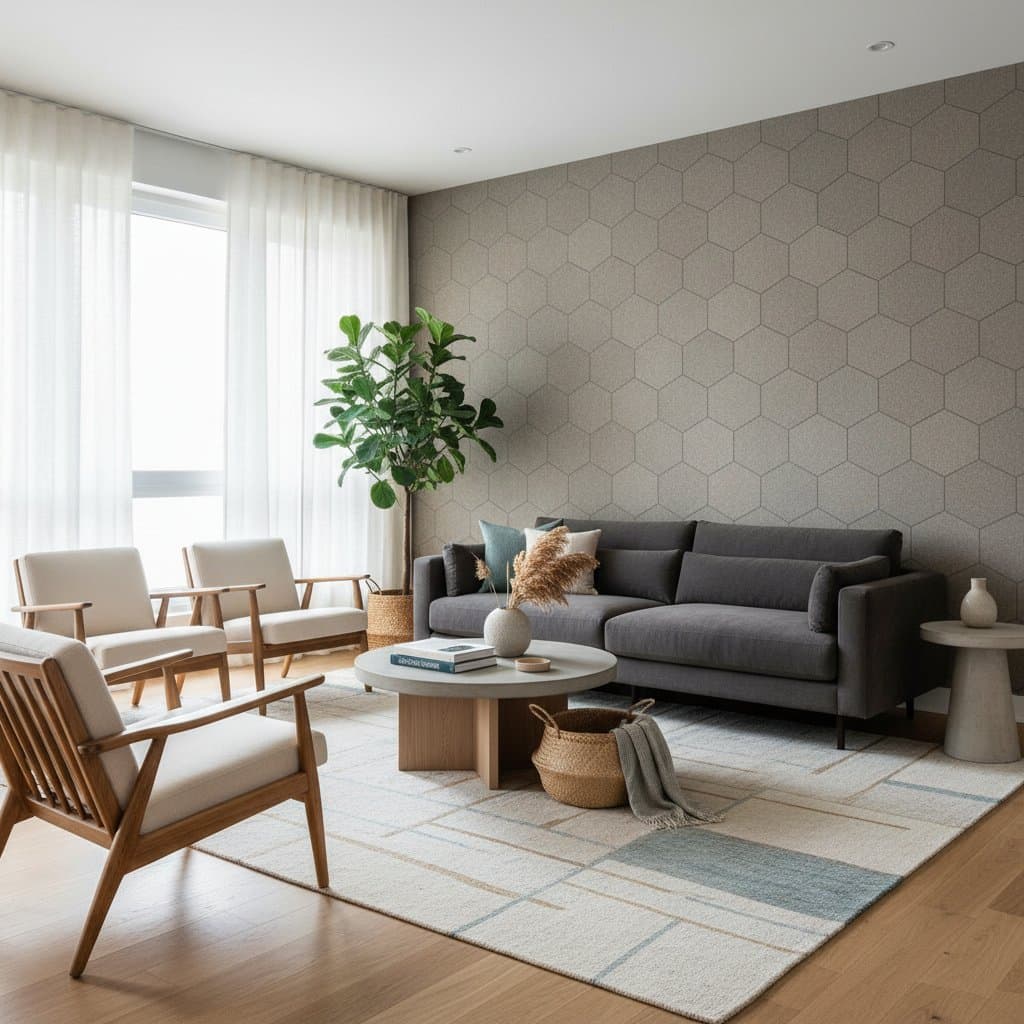
Opt for sculpted tiles with ridges or waves that scatter sound waves while adding depth to flat walls. Arrange in hexagonal or staggered patterns to mimic contemporary tilework. Install along corners or behind seating areas where echoes build up, reducing sharpness in voices and media playback. -
Wood Slat Panels with Felt Backing
Combine wooden slats for a warm, rhythmic look with felt layers that trap sound. Select light oak for brightness or walnut for richness to pair with modern or rustic furniture. Position vertically along a feature wall to break up sound paths and introduce natural texture. -
Modular Grid Systems
Build from interlocking small panels that allow easy rearrangement. Start with a 4x4 grid covering 16 square feet, then adjust based on room tests. This approach suits evolving spaces, providing sound control that adapts to furniture shifts or seasonal decor changes.
Additional Upgrades to Amplify Acoustic Benefits
Acoustic panels form the foundation, but pairing them with targeted changes refines the room's sound profile further. Focus on common noise contributors to create layered protection.
-
Soft-Close Mechanisms for Cabinets: Replace standard hinges with damped versions or add soft-close adapters to doors and drawers. This simple swap prevents slamming sounds from traveling into the living area, especially in open-plan homes.
-
Dense Area Rugs: Choose wool or high-pile synthetics that cover 70 to 80 percent of the floor. Add a thick underpad to increase absorption of footfall and mid-range tones, anchoring the space visually as well.
-
Multi-Layer Window Coverings: Layer sheer curtains over heavy, lined drapes that reach the floor. Select thermal-backed fabrics to muffle street noise, and draw them closed during peak hours for maximum isolation.
-
Sound-Absorbing Upholstery: Select sofas and chairs in plush materials like bouclé or thick cotton. Place them against reflective walls to act as natural baffles, equivalent to adding one or two small panels.
-
Quiet Electronics Solutions: Route fan vents from AV equipment to external spaces using flexible ducts. Enclose speakers in fabric-wrapped boxes if needed, minimizing mechanical hums that disrupt quiet moments.
These additions work synergistically. Panels handle wall reflections, while furnishings and fixtures address floor, window, and appliance sources for comprehensive quiet.
Results You Can Expect After Installation
Once installed, acoustic panels deliver noticeable improvements in sound clarity over time. Conversations require less effort to hear, and device audio plays more evenly without distortion. The space feels inherently calmer, as echoes fade into a balanced hush.
Owners often describe a newfound ease in the room. Background noise recedes, allowing focus on activities like reading or hosting. Pets and children react less to sudden sounds, contributing to overall household peace.
Visually, panels add intentional layers to walls. A single oversized piece draws the eye as an accent, while clusters create dynamic patterns. Match tones to your scheme for subtlety, or contrast for drama, ensuring the result integrates thoughtfully.
Maintenance and Long-Term Adaptability
Keep panels in top condition with routine care. Wipe fabric surfaces with a soft, dry cloth weekly, or use a vacuum's upholstery tool on low suction monthly. Avoid liquids or harsh chemicals to protect materials and preserve absorption qualities.
Wood options need only a damp cloth for dust removal, followed by drying. Modular setups shine here: swap out panels for refreshes, or expand coverage as family needs change, like adding more for a home office corner.
For temporary living situations, use removable adhesives or hanging hooks. These secure panels firmly yet allow clean removal, making acoustic upgrades accessible without commitment.
Building a Balanced Living Room Environment
A well-tuned living room enhances every experience, from immersive entertainment to intimate gatherings. Movies envelop without lingering reverb, music fills evenly at moderate levels, and talks flow naturally.
Acoustic panels prove that sound control elevates design. They shift chaotic noise into controlled harmony, fostering spaces that invite lingering. Test your room with a central clap: if the echo lingers over two seconds, prioritize panels near the source. Apply these steps to craft a retreat where comfort resonates on all levels.