Acoustic Panels Are Changing Living Room Design Trends
When interior designer Lena Ortiz first walked into her client living room, the echo stood out immediately. The space appeared beautiful, complete with tall windows and polished concrete, yet every conversation bounced around without control. The family sought calm rather than constant noise. Acoustic panels provided the answer. These sound absorbing surfaces, once limited to recording studios and corporate boardrooms, now reshape how homes are designed and experienced.
Project Overview
- Home type: Open plan living room in a city apartment
- Problem: Harsh echoes, poor sound quality, and visual imbalance
- Solution: Custom acoustic panels that blend with wall art and lighting
- Result: A softer, more welcoming atmosphere without loss of style
The Original Space
Before the remodel, the living room succeeded visually but failed in sound quality. Every sound lingered. The hum of the refrigerator, the clink of glasses, and the chatter of guests competed with one another. Hard surfaces, including the tile floor and exposed ceiling beams, reflected sound instead of absorbing it.
The room looked impressive in photographs yet never felt comfortable during daily use. The owners described it as beautiful but exhausting. They wanted relaxation, yet even watching a movie required frequent volume adjustments.
The Transformed Room
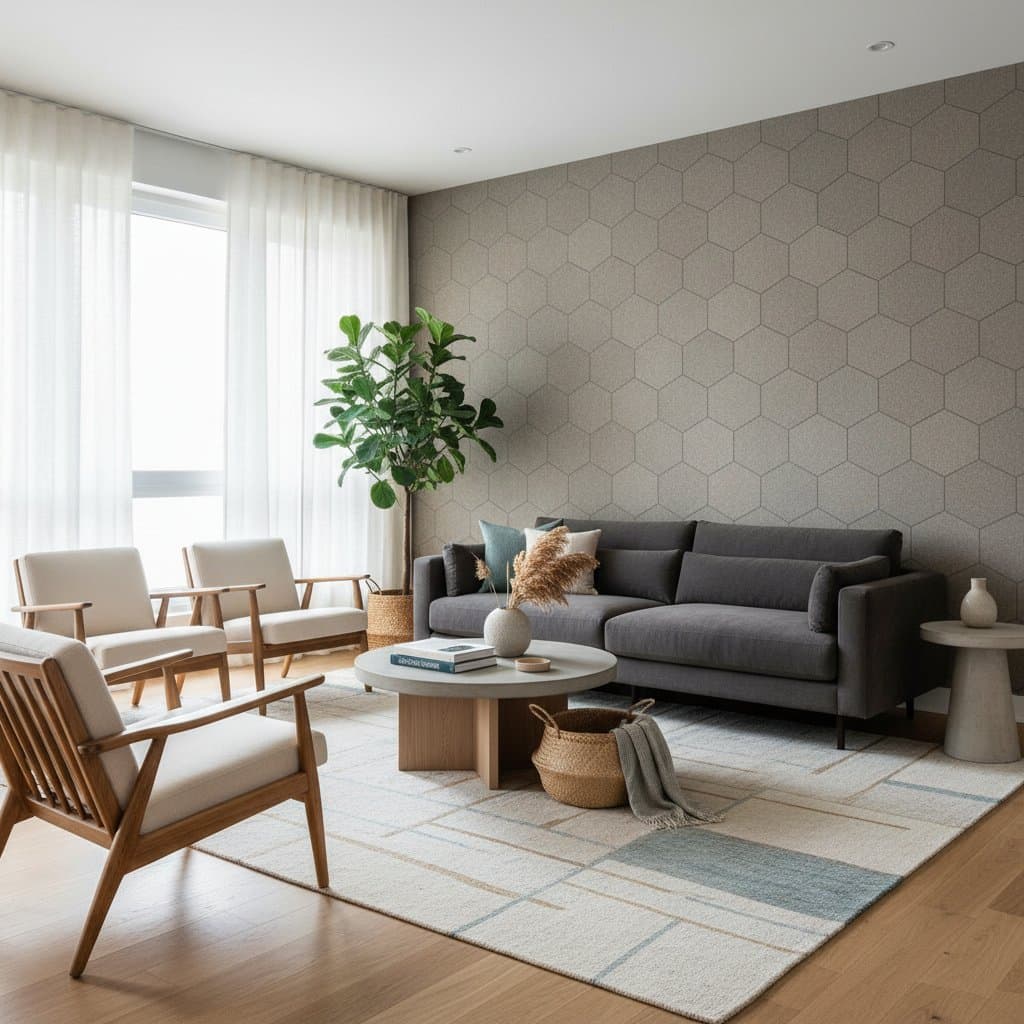
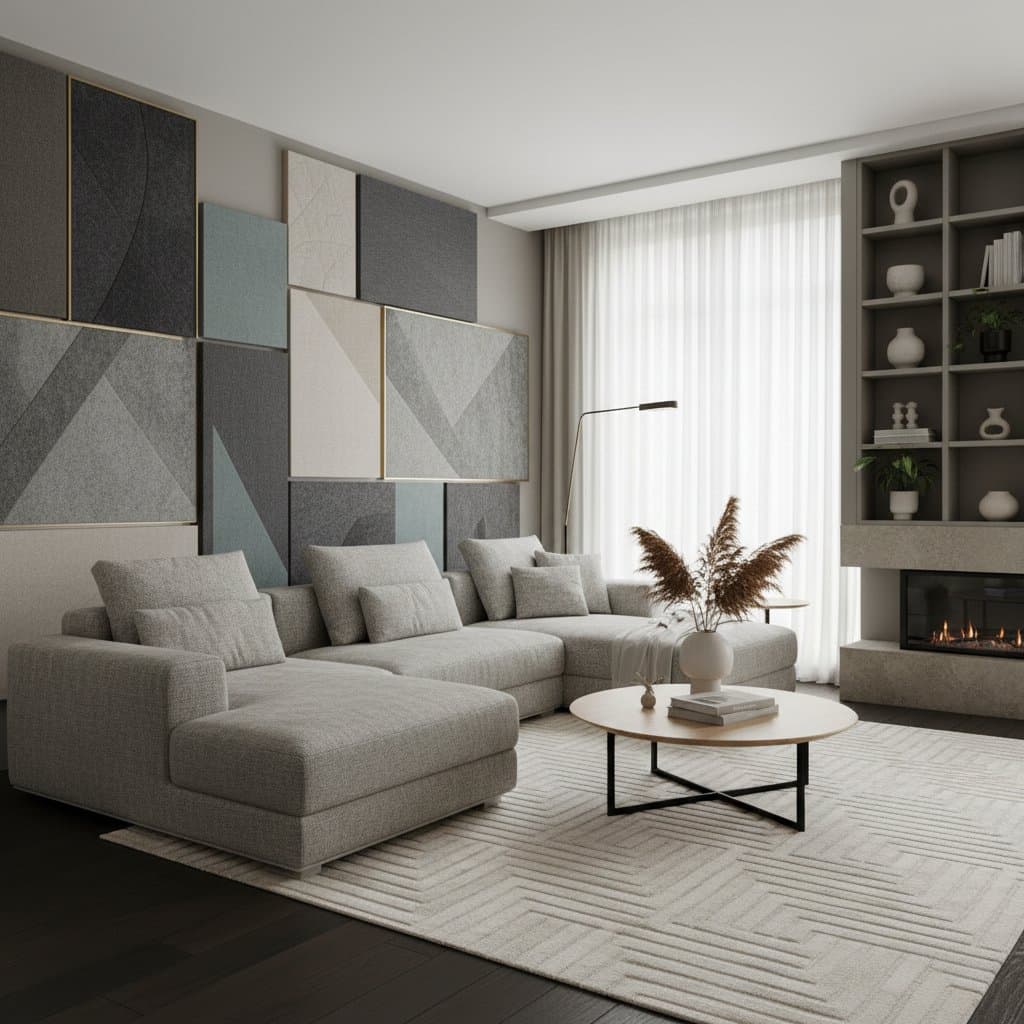
After installation of the acoustic panels, the difference appeared at once. The living room sounded better and felt better overall. Voices carried naturally. Music gained warmth. The mood softened throughout the space. The panels were not hidden behind furniture or treated as technical additions. They became part of the design language.
Lena chose panels covered in textured linen and soft wool blends. Frames in light oak matched the window trim. Several panels included subtle geometric stitching that served as visual art. The outcome proved cohesive, tactile, and calm.
Reasons for Wider Adoption
Acoustic panels once appeared only in theaters, offices, and studios. They now appear in family rooms, lofts, and minimalist apartments. Modern homes favor open layouts, hard surfaces, and high ceilings. These features brighten rooms and improve connections yet amplify unwanted noise. Acoustic panels address both function and appearance.
New manufacturing methods produce lighter and more decorative options. Panels now arrive wrapped in natural fabrics, sculpted from recycled felt, or printed with custom artwork. Some models integrate LED lighting or hidden storage. The boundary between sound treatment and wall decoration has narrowed.
Key Design Considerations
The strength of acoustic panels rests in their subtlety. When selected with care, they blend into the design while changing how a space feels. Several factors determine success.
- Placement works best on the largest reflective surfaces, usually opposite windows or near ceilings. In this project, panels were installed behind the sofa and along the hallway wall facing the television.
- Material choice affects performance. Wool, felt, cork, and fabric covered foam absorb sound effectively. Wood slat panels backed with felt add warmth along with acoustic benefit.
- Color and texture allow panels to blend or stand out. Neutral tones such as sand, clay, or fog gray merge quietly with walls. Bolder designs use panels as accent pieces with color blocks or texture contrasts.
- Lighting integration adds dimension. A narrow LED strip behind a panel creates a floating effect and adds warmth without glare.
- Sustainability improves when brands use recycled materials, making acoustic solutions environmentally responsible as well as practical.
Effects on Daily Routines
Homeowners often notice emotional changes more than technical ones. Once echoes fade, calm enters the space. Conversations feel intimate. The television no longer dominates. Quiet activities such as reading or working from the sofa become more focused.
In one home, the installation altered daily patterns. The couple previously retreated to separate areas after dinner because noise overwhelmed them. They now remain together with music playing softly. The room feels grounded.
Parents find acoustic panels helpful when children run through shared spaces or teens play video games. Panels do not remove sound entirely. They reduce intensity enough to improve comfort in common areas.
Available Options and Pricing
Prices for acoustic panels vary widely. Prefabricated felt panels begin at costs similar to a mid range art print. Custom wood or upholstered panels reach higher prices based on size and finish. Budget conscious options include DIY foam panels wrapped in fabric.
Ready made choices from established makers provide design statements without custom orders. Local producers often create versions that match wall colors or furniture finishes. A professional acoustic assessment helps determine placement and quantity. Most living rooms benefit from a combination of wall and ceiling panels.
Ongoing Use and Benefits
Acoustic panels require minimal maintenance after installation. Regular dusting with a soft cloth suffices. They maintain performance over time. Unlike changing paint colors or seasonal rugs, panels serve a lasting purpose by shaping how a room feels.
Homeowners report additional advantages with continued use. They converse more easily with guests, enjoy music without distortion, and experience improved rest because the home feels quieter overall. Panels contribute to background harmony that supports comfort.
Steps to Add Panels
A simple test begins the process. Clap hands in the center of the room. A sharp echo indicates need for treatment. Identify surfaces where sound reflects most, such as bare walls, large windows, and high ceilings. Begin with a small number of panels and adjust as needed. Mixing materials or shapes helps achieve balance.
Successful designs treat acoustic panels as elements of room character rather than technical additions. Whether wrapped in linen, formed from oak, or printed with personal images, panels express personality while supporting peace. Good design accounts for sound as well as appearance. Acoustic panels therefore change both living rooms and the experience of living within them.