Acoustic Panels: Stylish Noise Control for Living Rooms
Excessive noise in a living room disrupts the ambiance, even in well-designed spaces. Echoes from bare walls distort music, and conversations lack clarity. Acoustic panels provide an effective solution by absorbing sound waves and introducing visual interest, resulting in a more harmonious and inviting atmosphere.
Understanding What Acoustic Panels Do
Acoustic panels absorb sound waves to prevent excessive reflection within a room. They diminish echoes and reverberation, fostering a more comfortable auditory environment. In living rooms, this leads to distinct dialogue, balanced music playback, and reduced sensory overload.
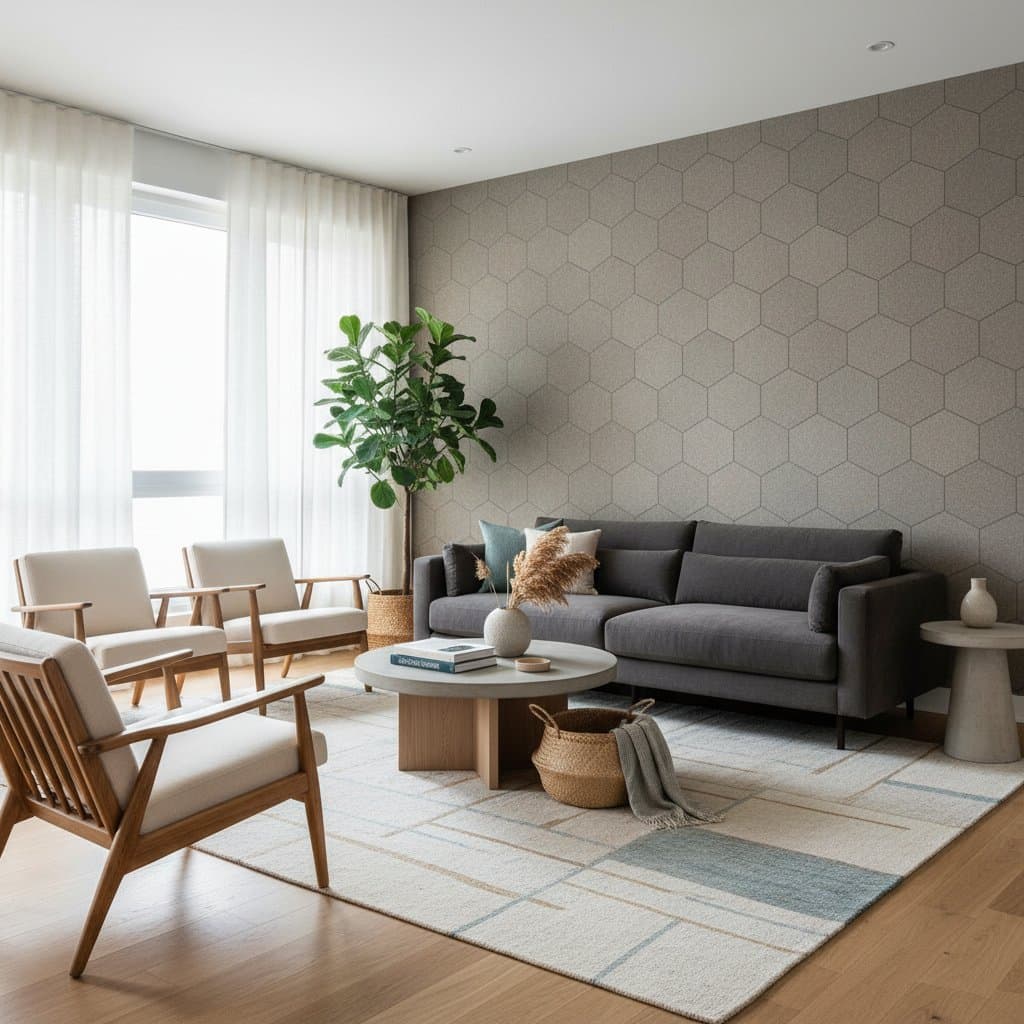
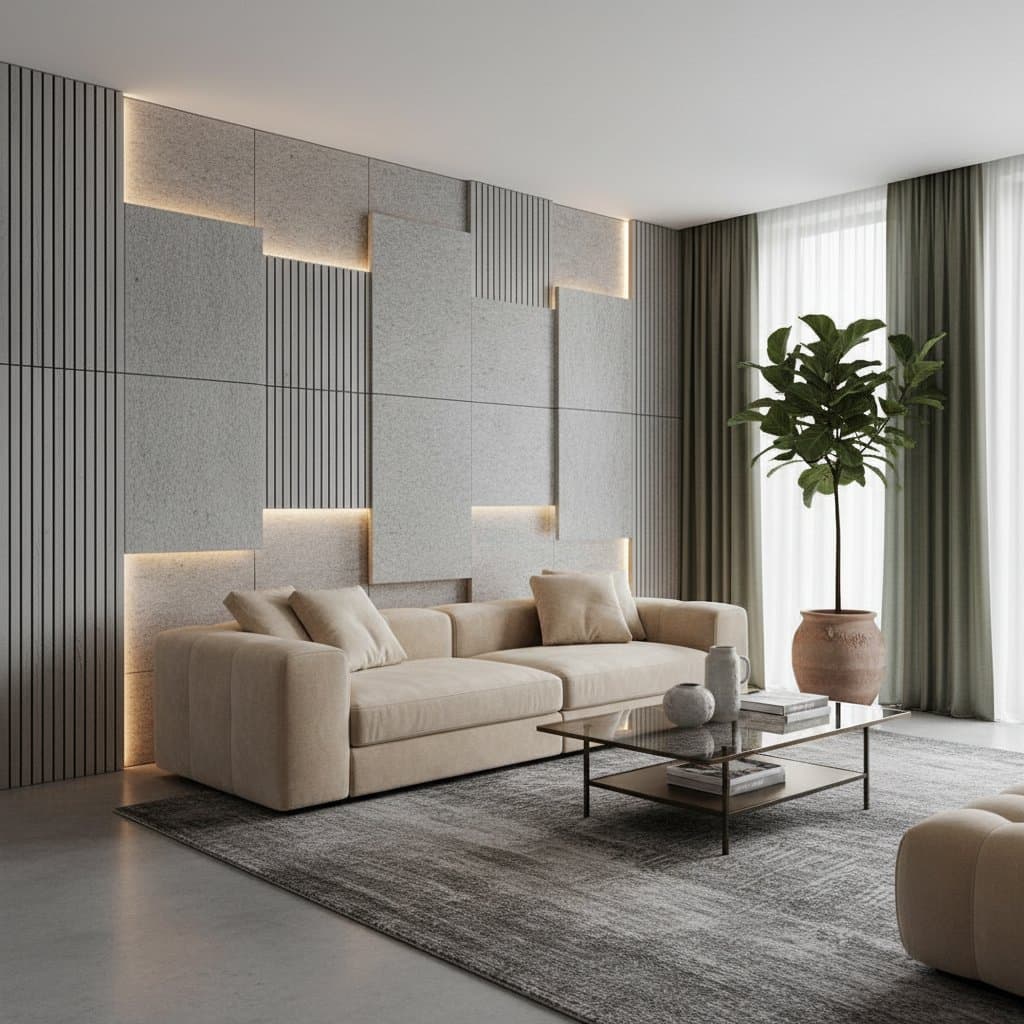
Panels vary widely in appearance and construction. Certain designs resemble contemporary artwork, while others integrate seamlessly with surroundings. Materials include fabric-wrapped foam, wool felt, or recycled composites formed into artistic tiles. This versatility ensures compatibility with diverse interior styles, from sleek minimalism to warm traditionalism.
Why Living Rooms Benefit from Acoustic Panels
Living rooms typically feature expansive layouts and reflective surfaces such as hardwood floors, windows, and stone accents. These elements amplify sound rather than dampen it. While area rugs and draperies offer partial mitigation, acoustic panels deliver comprehensive control.
A refined acoustic profile promotes relaxation and social interaction. Such environments alleviate the stress induced by persistent noise. In open-concept homes, panels delineate functional areas, enhancing overall spatial coherence and tranquility.
Choosing Panels That Match Your Decor
Contemporary acoustic panels serve dual purposes as functional absorbers and design features. Consider the following factors when selecting options for your living room:
- Color and Texture: Available in extensive color ranges, panels can coordinate with wall hues for subtlety or introduce bold contrasts for emphasis. Textures from felt or woven fabrics enhance the tactile quality of surrounding furnishings.
- Shape and Pattern: Traditional squares and rectangles provide reliability, whereas angular or three-dimensional shapes elevate panels to focal points. Arrangements range from precise grids to asymmetrical groupings, tailored to the room's aesthetic.
- Material: Opt for wool or cork to infuse natural warmth and eco-friendliness. Fabric-encased foam yields a polished, structured appearance. Select based on the desired emotional tone of the space.
- Mounting Style: Wall-adhered panels offer direct application, while suspended versions maximize absorption. Freestanding dividers or overhead installations accommodate dynamic room configurations.
Where to Place Acoustic Panels
Effective positioning combines acoustics with visual harmony. Assess your room by generating sound, through clapping or low-volume audio, and identify persistent echoes as priority zones.
- Behind the Sofa: This wall frequently amplifies reflections; panels here function as both absorbers and artwork.
- Opposite the Television or Speakers: Positioning absorbs direct sound paths, sharpening audio fidelity.
- High on Walls or Ceilings: In lofty or expansive areas, elevated placement controls diffusion without impeding floor-level access.
- Corners and Niches: These zones accumulate sound buildup; specialized angular panels mitigate accumulation efficiently.
Partial coverage suffices; targeted application yields significant improvements without overwhelming the design.
Simple Steps to Add Acoustic Panels
Installation requires basic tools and can complete in a single session. Follow these steps for optimal results:
- Measure Your Space: Calculate coverage needs; smaller rooms require three to four panels, while expansive ones benefit from six or more.
- Plan the Layout: Apply masking tape to outline positions, evaluating balance from multiple viewpoints.
- Install Mounting Hardware: Utilize provided clips or brackets per guidelines, employing a level for alignment.
- Hang the Panels: Secure them firmly yet allowing minimal air gap for enhanced performance.
- Test and Adjust: Activate audio sources and converse within the space; reposition as necessary to refine acoustics.
Overcoming Common Hurdles
Concerns about an industrial appearance or stylistic clash arise frequently. Integrate panels into the design narrative by aligning colors with existing schemes or curating them as curated displays. For understated integration, select neutrals that mimic wall finishes.
Budget limitations pose another challenge. Initiate with minimal placements to observe benefits, expanding gradually. Renters can choose non-invasive alternatives like adhesive-backed or tension-mounted varieties that avoid permanent alterations.
Living with a Softer Sound
Post-installation, the perceptual shift extends beyond acoustics. Dialogue gains intimacy, melodies acquire depth, and ambient volumes decrease naturally due to improved clarity.
This acoustic refinement subtly reshapes routines. It facilitates unhurried interactions, immersive reading, and calmer pet behavior. The result is a living room that nurtures presence and connection.
Maintaining the Look
Preserve panel efficacy through routine care. Brush away dust biweekly with a soft tool or vacuum nozzle. For fabric surfaces, use mild damp wiping; refrain from harsh chemicals to sustain vibrancy and integrity. Rotate positions periodically to counter uneven light exposure and fading.
Implementing Acoustic Enhancements
Achieve a living room where auditory and visual elements align seamlessly through acoustic panels. Begin by evaluating a single problematic area and envisioning the transformative potential of targeted absorption. Incremental steps lead to profound spatial improvements.