Integrating Acoustics and Aesthetics in Modern Interiors
Sound shapes daily experiences in homes and offices, yet excessive noise often disrupts focus and relaxation. Echoes from hard surfaces or persistent background hums can diminish comfort without notice. Acoustic panels address these issues by combining effective sound management with elegant design, turning ordinary walls and ceilings into refined features.
Originally confined to professional settings like studios, these panels now fit seamlessly into residential and commercial spaces. Available in diverse materials and configurations, they absorb unwanted reverberations while contributing to the overall aesthetic. This integration fosters environments that promote well-being through both quiet and visual harmony.
Key Features at a Glance
- Primary Function: Absorb mid- and high-frequency sounds to minimize echoes and improve clarity in conversations or media playback.
- Common Applications: Residential areas such as living rooms and bedrooms; professional spaces including open-plan offices and conference rooms.
- Material Options: Sustainable choices like recycled PET felt, natural cork, wood veneers, and fabric-covered absorbers.
- Installation Guidance: Specialists recommend one panel per 10 to 15 square feet for moderate control; consult acoustics experts for precise layouts.
- Trendsetters: Collaborations between firms like Vicoustic and interior studios such as Gensler, emphasizing custom forms and colors.
Transforming Spaces with Purposeful Panels
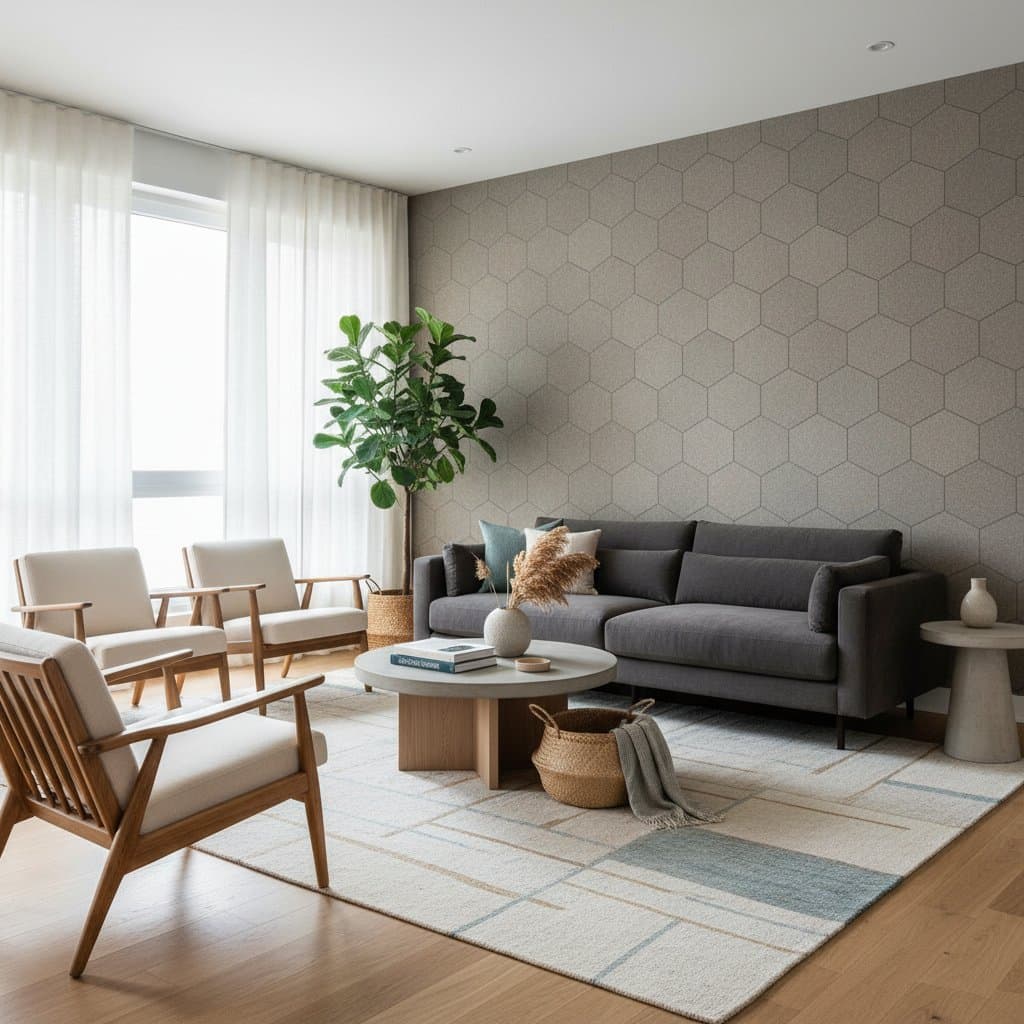
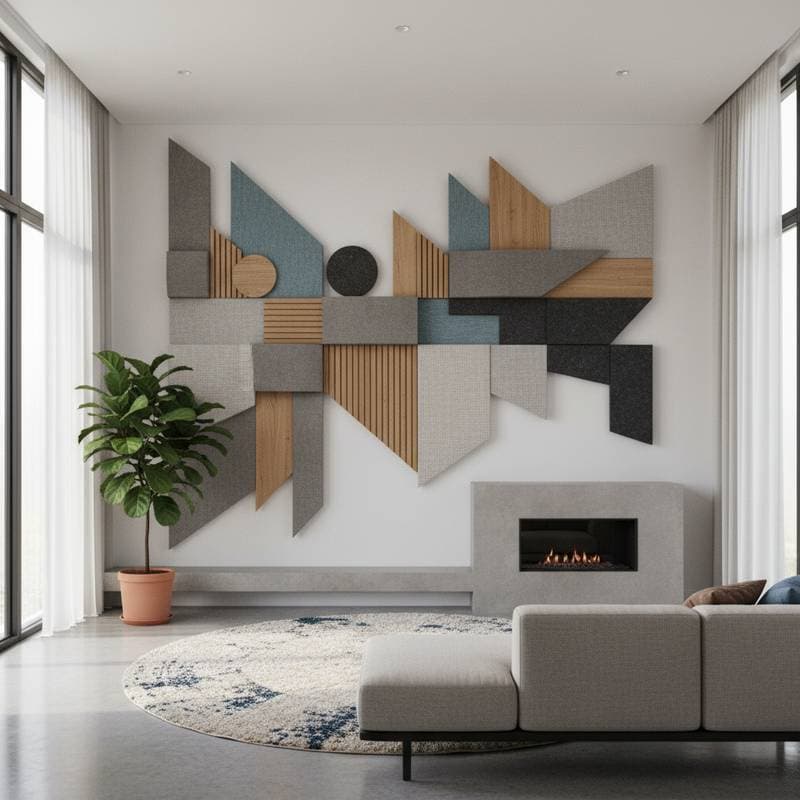
Contemporary acoustic panels extend beyond simple rectangles, adopting shapes like interlocking hexagons, vertical slats, or expansive murals. Designers incorporate them early in projects to ensure they enhance rather than compete with existing elements.
Consider a urban loft where custom teal fabric panels form an accent wall adjacent to large windows. This setup not only dampens reflections from polished concrete but also introduces a subtle pattern that complements minimalist furniture. The homeowner noted that the space now supports focused work sessions without the distraction of ambient noise.
In professional environments, slatted wooden panels along corridor walls provide both acoustic benefits and a sense of rhythm. These installations diffuse sound waves while elevating the perceived height of rooms through linear visuals. Pairing them with adjustable LED strips accentuates grain textures, adding warmth to otherwise stark areas.
Strategic lighting enhances their impact further. Diffused overhead sources cast gentle shadows, emphasizing depth in layered designs. This approach elevates panels from utilitarian tools to integral components of the room's character.
Strategies for Seamless Integration
Forward-thinking designers embed acoustic considerations into initial blueprints, avoiding the limitations of afterthought installations. This proactive method aligns sound control with architectural details, optimizing both performance and appearance.
Acoustic expert Elena Vasquez shares, "Incorporating panels during the design phase allows for tailored solutions, such as matching wood tones to cabinetry or coordinating fabric selections with upholstery." Early involvement expands possibilities, from concealed edges to multifunctional units.
For high-traffic zones like kitchens, suspended ceiling elements in neutral grays reduce clatter from utensils and chatter. These baffles maintain airflow and visibility while subtly softening acoustics. In entertainment areas, panels framed like gallery art behind screens clarify audio without altering sightlines.
Compact spaces, such as guest bedrooms, gain from upholstered wall treatments that double as decorative backdrops. Selecting breathable fabrics in soothing palettes ensures comfort, while the backing material blocks noise transfer between rooms.
Multifunctional Designs for Everyday Use
In versatile areas, acoustic elements often merge with storage or seating to maximize utility. For instance, shelving units with cork-lined interiors absorb vibrations from nearby appliances, creating quieter nooks for reading or remote work.
A custom banquette in a family room, upholstered in wool blends, serves as both seating and a sound barrier. This design quiets interactions across open layouts without enclosing the space. Sliding partitions with integrated absorbers offer flexible division, preserving light and movement.
Such hybrid solutions streamline interiors by fulfilling multiple roles. Designers observe that these pieces reduce the need for extraneous decor, as their inherent texture and form provide sufficient visual interest.
Tailored Applications Across Room Types
Living Rooms
Position panels along entertainment walls to curb reflections during gatherings. Layer with area rugs and layered drapes for comprehensive absorption. Opt for earthy tones that harmonize with sofas and accents.
Home Offices
Mount panels facing the workstation to eliminate distractions in virtual meetings. Three to five modular units typically suffice for rooms under 150 square feet, focusing on vertical arrangements for optimal coverage.
Bedrooms
Create a serene headboard using padded panels in pastel shades. This not only enhances sleep quality by muting external sounds but also adds a tactile focal point to the decor.
Dining Areas
Incorporate overhead pendants or linear absorbers to dampen tableware noise. Select slim profiles that complement lighting fixtures, ensuring the area remains airy and inviting.
Entryways and Hallways
Apply slim panels as message boards or gallery supports to soften footsteps on tile floors. Earthy materials like cork introduce natural warmth right at the threshold.
Enhancing Daily Life Through Thoughtful Acoustics
Acoustic treatments subtly influence routines, encouraging lower-volume interactions and extended periods of concentration. Tasks from meal preparation to leisure reading unfold with greater ease in balanced spaces.
One resident, after installing textured linen panels in their den, remarked, "The shift is subtle yet profound; the room now invites lingering without the fatigue of constant echoes."
These durable installations maintain their appeal over time, with materials resistant to fading and easy to clean. By prioritizing acoustics alongside style, interiors evolve into supportive havens that nurture productivity and rest.