Stylish Acoustic Panels: Enhancing Home Acoustics and Aesthetics
Modern residences often feature open layouts and hard surfaces that amplify everyday sounds, from kitchen clatters to echoing conversations. These elements create visually appealing spaces but can compromise comfort through persistent noise. Acoustic panels now offer an elegant solution, absorbing sound waves while serving as integral design features that elevate interior style.
The Impact of Noise on Living Spaces
Excessive noise disrupts concentration, elevates stress levels, and diminishes overall well-being. In homes with high ceilings or expansive areas, sound reflections intensify these effects, making rooms feel less inviting. Acoustic panels address this by capturing and dissipating sound energy, which clarifies speech, softens media playback, and fosters a more balanced auditory environment. The outcome is a living space that supports relaxation and productivity without altering its architectural charm.
Design-Inspired Acoustic Panel Options
Advancements in materials and manufacturing have elevated acoustic panels beyond utilitarian forms. They now incorporate diverse textures, colors, and configurations that complement various interior themes. Below are key styles that seamlessly integrate functionality with visual interest.
-
Textured Textile Panels
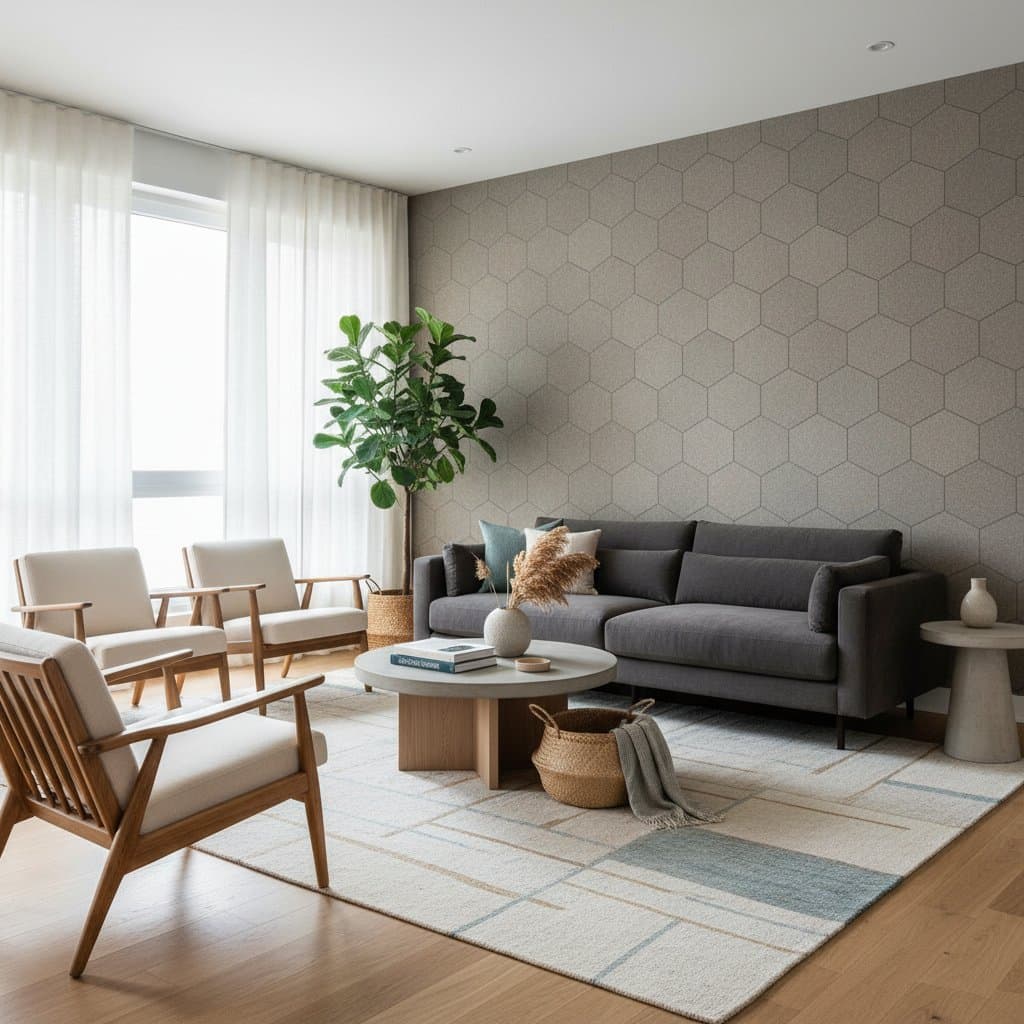
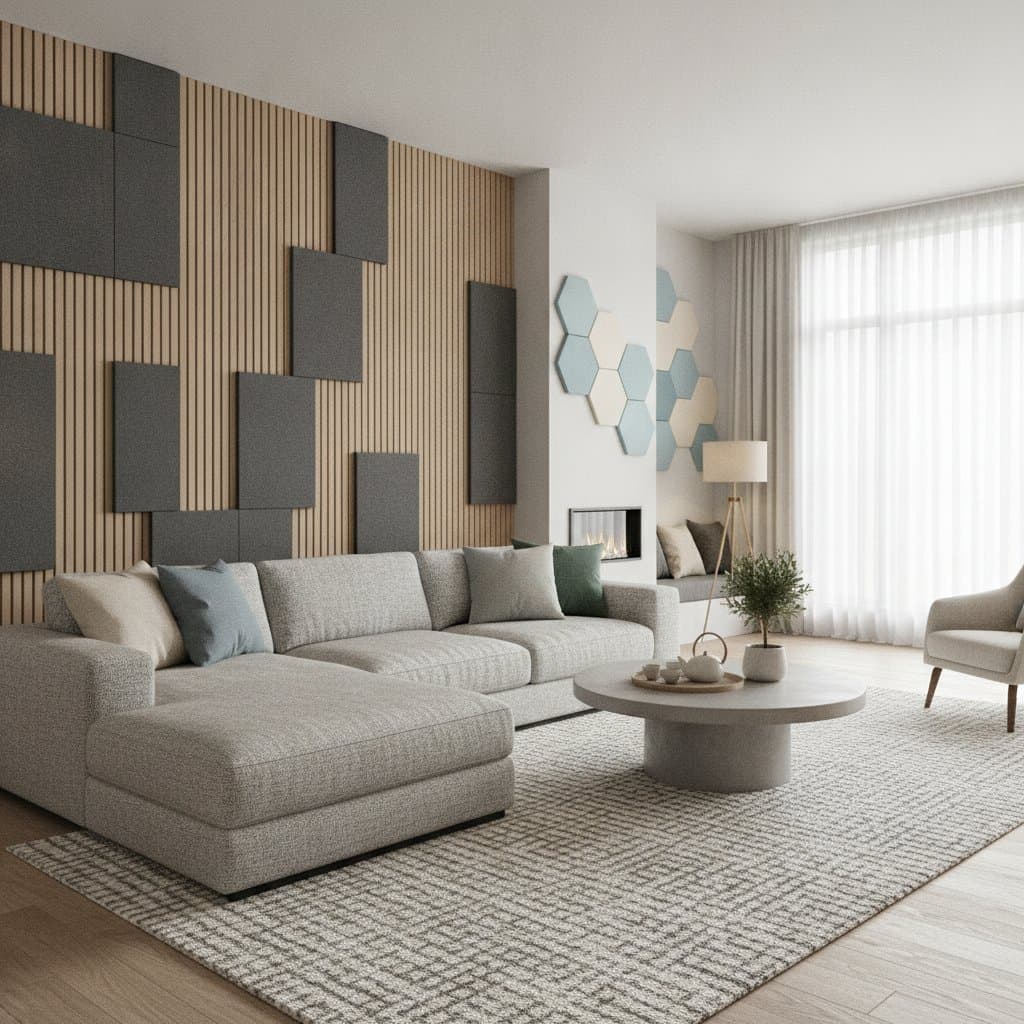
These panels feature upholstery in fabrics such as wool blends or synthetic felts, available in neutral palettes or vibrant accents. Arrange them in asymmetrical clusters for an artistic focal point or in uniform patterns for a structured appearance. Such installations not only dampen reverberations but also introduce tactile warmth to minimalist or contemporary settings. -
Wooden Slat Acoustics
Constructed with thin wooden veneers over absorptive cores, these panels provide a natural, organic touch. Vertical orientations elongate perceived room height, while horizontal layouts expand visual width. Ideal for transitional spaces like corridors or lounges, they diffuse sound effectively while harmonizing with mid-century modern or rustic decors. -
Custom-Printed Acoustic Surfaces
Digital printing technology allows for personalized designs, from landscape murals to intricate motifs, applied directly to sound-absorbing substrates. This approach transforms functional walls into narrative elements, such as a scenic backdrop in a media room. The versatility ensures alignment with individual tastes without sacrificing acoustic performance. -
Suspended Ceiling Elements
In areas with vaulted ceilings or extensive hard flooring, overhead clouds or baffles intercept descending sound waves. Suspended via cables or tracks, these lightweight structures maintain open sightlines while targeting reflections from above. They prove particularly effective in multifunctional zones like combined dining and cooking areas. -
Modular Felt Configurations
Composed of interlocking felt pieces, these systems enable easy reconfiguration to suit evolving decor needs. Users can expand coverage for larger spaces or create geometric patterns for accent walls. This adaptability appeals to those seeking seasonal updates, combining acoustic benefits with creative flexibility.
Strategic Placement in Home Environments
Target high-reverberation zones for optimal results, such as expansive living areas or staircases where sound travels freely. In professional home setups, position panels behind desks to minimize distractions from ambient noise. For compact sleeping quarters, a single panel above the headboard can attenuate overnight echoes. Renters benefit from adhesive-backed or freestanding variants that require no structural modifications.
Integrating Acoustics with Broader Design Strategies
Effective sound management involves layering absorptive elements throughout the space. Pair wall panels with floor coverings, window treatments, and cushioned seating to create comprehensive noise control. This holistic method ensures auditory clarity complements the room's visual narrative, where ambient sounds integrate smoothly rather than dominate.
Implementation Guidelines for Effective Results
- Assess primary noise sources. Focus initial efforts on areas adjacent to reflective materials like windows or stone floors.
- Layer diverse textures. Blend fabric panels with wooden accents and soft furnishings to enhance overall absorption.
- Optimize positioning. Place panels parallel to sound origins, such as opposite entertainment systems, for maximum efficacy.
- Incorporate multifunctional features. Select options with embedded lighting to combine acoustic control with atmospheric enhancement.
- Select hues strategically. Opt for subtle shades to integrate seamlessly or contrasting colors to define architectural highlights.
Achieving Harmony in Everyday Spaces
Implementing these panels yields noticeable improvements in room dynamics, from crisper dialogues to more enveloping audio experiences. The subtle shift encourages natural volume adjustments and deeper immersion in daily activities. Ultimately, stylish acoustic solutions cultivate environments where comfort and elegance coexist, allowing personal routines to thrive amid refined tranquility.