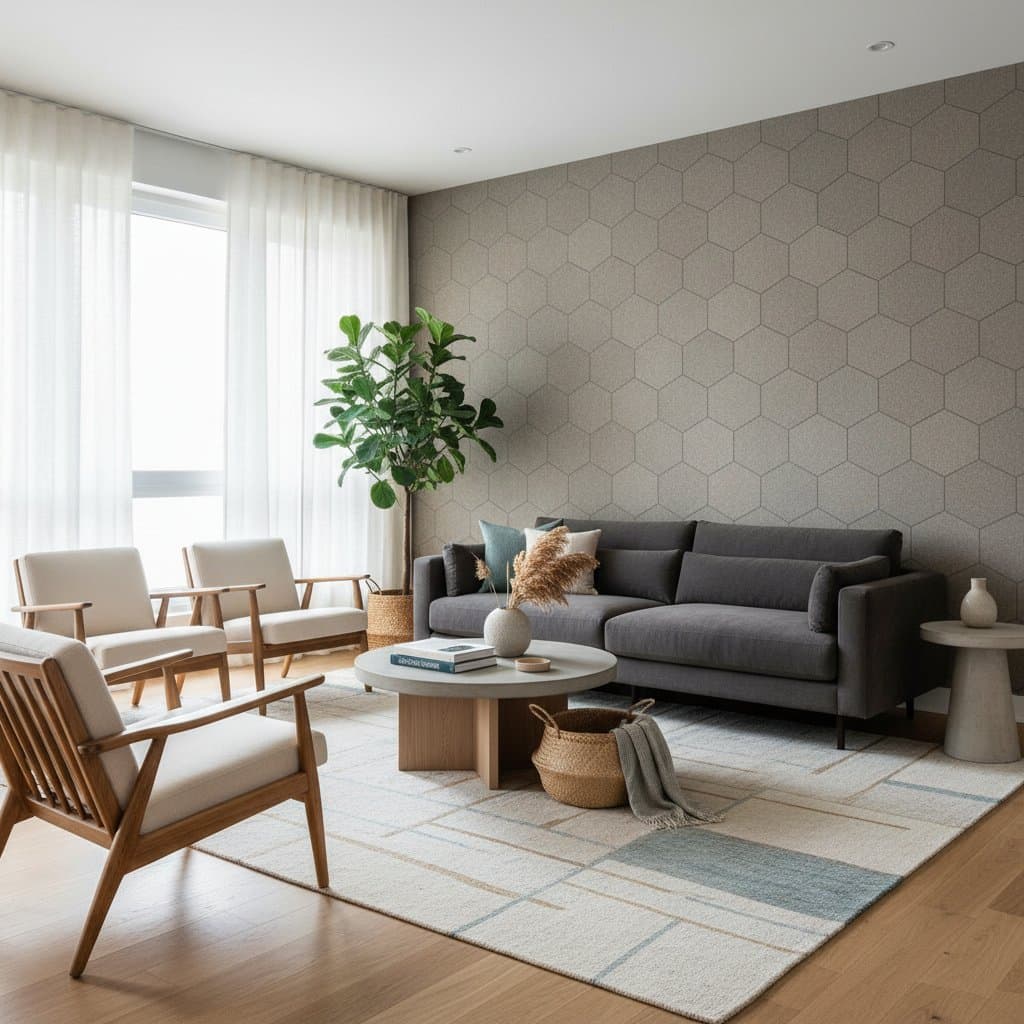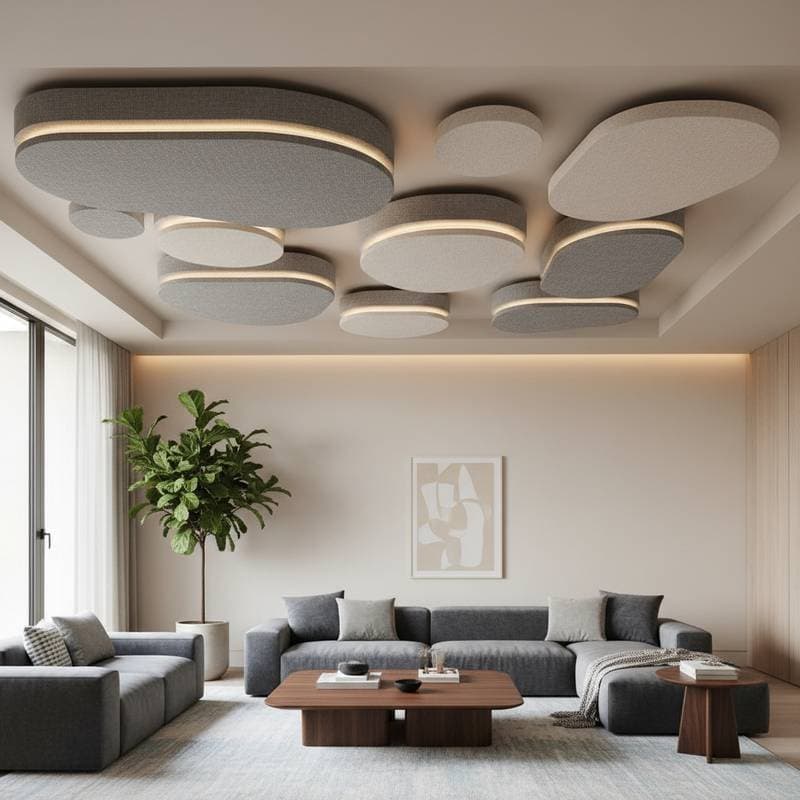
Sculptural Acoustic Clouds Silence Rooms in Style
Consider the discomfort of echoes reverberating off hard surfaces, turning an attractive room into an acoustically challenging environment. In contrast, certain spaces offer a hushed quality that promotes comfort and focus. The key distinction frequently lies in overhead treatments. Sculptural acoustic clouds serve as an effective solution for designers seeking both acoustic control and visual interest. These suspended elements absorb sound waves while introducing texture and dynamism to ceilings.
What Are Acoustic Clouds?
Acoustic clouds consist of suspended panels engineered to capture sound reflections that otherwise disrupt room acoustics. They position below the structural ceiling in configurations from basic rectangular forms to intricate curves and groupings that evoke artistic installations. The design objective involves dampening noise without compromising spatial openness. View them as efficient absorbers that also contribute aesthetic value.
Materials typically include felt, polyethylene terephthalate (PET) fibers, or specialized foam encased in fabric. Options crafted from recycled components provide environmental benefits alongside functional quieting. Panels may suspend singly or in arrays, scaled to the room's dimensions and purpose.
Why Acoustic Clouds Matter
Excessive noise affects concentration, emotional state, and social dynamics. In open offices, eateries, and residential studios, sound reflections create auditory clutter. Acoustic clouds interrupt these reflections, minimizing reverberation and enhancing speech intelligibility. The improvement proves noticeable, with users often reporting an inability to revert to untreated conditions.
Beyond functionality, blank ceilings lack appeal. Clouds introduce depth and fluidity, modulating light across daily cycles. In restrained designs, arrangements of discs or undulating shapes impart a deliberate softness that integrates seamlessly with surroundings.
Design Details for Optimal Performance
Specific features elevate acoustic clouds from mere utilities to design assets. The following elements ensure practicality and elegance:
-
Varying Heights
Positioning panels at staggered elevations generates visual depth and subtle movement. This approach mimics a rippling ceiling surface. Additionally, diverse angles improve sound capture efficiency. -
Soft Edge Shapes
Organic contours and rounded edges disrupt conventional ceiling grids. Such forms convey a less rigid, more artistic presence. They also promote sound diffusion over mere obstruction, yielding balanced noise reduction. -
Fabric Finishes
Options like textured weaves, wool felts, or perforated wood surfaces transform panels into focal points. Select hues to harmonize with existing schemes or introduce striking accents. For instance, a charcoal panel against white walls directs attention upward effectively. -
Integrated Lighting
Certain models incorporate light-emitting diode (LED) systems. Illumination diffuses through or beside the panels, producing gentle ambiance. In dining zones, this creates a suspended glow that serves dual purposes of lighting and acoustic management. -
Modular Arrangements
Panels support reconfiguration to accommodate evolving needs. This versatility suits versatile rooms. Begin with a modest setup and scale up based on observed acoustic gains.
Ideal Applications for Acoustic Clouds
These treatments excel in environments prone to sound buildup. Residential kitchens with stone surfaces and tiled floors amplify utensil sounds; positioned panels over islands or tables mitigate this promptly.
Office settings benefit from reduced interference from conversations or typing. Home theaters and music spaces achieve immersive quietude for optimal audio experiences. Bedrooms gain a soothing enclosure when tranquility is prioritized.
Professionals in commercial design have long employed clouds in venues like restaurants, hotels, and exhibition areas. Homeowners increasingly adopt them, recognizing acoustic harmony as essential to overall ambiance, comparable to selecting key furnishings.
Integrating Style with Acoustic Function
Sculptural acoustic clouds excel by merging creative expression with engineering precision. Interiors need not resemble technical facilities to achieve professional sound quality. Offerings span subtle discs that blend discreetly to bold assemblies resembling airborne sculptures. Some emulate natural motifs, such as pebble clusters or ethereal formations.
Select configurations aligned with room character. Geometric precision complements contemporary aesthetics. Fluid or asymmetrical profiles enhance casual, nature-inspired settings. Color selection influences perception: deeper tones minimize visual prominence, while paler shades illuminate overhead expanses. Treat acoustic elements as core design components rather than afterthoughts.
Practical Installation Guidance
Installation processes remain accessible, though precise height and placement optimize results. Suspend panels at levels that engage sound paths without impeding circulation. Adjustable cable systems facilitate fine-tuning.
In expansive areas, grouped installations ensure uniform coverage. Isolated panels suffice for minor adjustments, but multiples yield comprehensive effects. Compact rooms respond well to two or three strategically placed units. Suppliers often provide simulation tools to forecast acoustic outcomes for various layouts.
Upkeep requires little effort. Dust or vacuum fabric surfaces periodically. Robust constructions prevent warping or fading, allowing panels to operate unobtrusively over time.
Experiencing Enhanced Acoustics
Post-installation, users commonly report heightened tranquility. Dialogues gain clarity. Media playback achieves fuller tone at moderate volumes. Ambient noises, like footfalls, diminish noticeably. This shift registers sensorily beyond mere audition.
Experts characterize superior acoustics as unobtrusive ease. Presence goes unnoticed when effective, yet absence disrupts. Sculptural acoustic clouds furnish this ease alongside ornamental value, underscoring design's role in multisensory spatial experiences.
Achieving Balanced Interiors
Suspended acoustic solutions enable serene yet vibrant rooms through targeted placements. Share insights on these overhead enhancements with visitors. Each installation advances the pursuit of refined, acoustically attuned living environments.