Achieving Serenity in Living Rooms Through Acoustic Ceiling Innovations
Picture settling into your living room for a moment of relaxation, only for the hum of street traffic or echoes from upstairs to disrupt the calm. Such interruptions transform a potential sanctuary into a source of irritation. Fortunately, contemporary acoustic ceiling solutions offer a straightforward path to restoring peace and enhancing comfort.
Reframing Noise as a Design Asset
Noise pollution ranks among the overlooked hurdles in interior design. A room with exquisite furnishings can still feel disruptive if sound reverberates from hard surfaces like floors, walls, or expansive ceilings. Residents of urban apartments or expansive suburban houses alike benefit from targeted soundproofing that fosters a soothing atmosphere.
Current acoustic ceiling trends integrate noise mitigation seamlessly into aesthetics. Homeowners now access diverse options, from sleek panels and patterned tiles to artistic ceiling clouds that serve as striking design features.
The Central Role of Ceilings in Acoustics
Soundproofing efforts often focus on elements like heavy drapes or dense carpets, which provide partial relief. Ceilings, however, exert the greatest influence on room acoustics. Sound waves naturally ascend and rebound from broad, smooth surfaces, amplifying echoes and ambient disturbances.
Specialized acoustic ceiling systems capture sound energy effectively, preventing reflection. This creates a refined auditory environment where dialogue flows naturally and media playback remains clear at moderate volumes.
Key Trends in Acoustic Ceiling Design
Modern acoustic materials excel by merging utility with elegance, emphasizing sustainability and user comfort. Homeowners gravitate toward these innovative approaches:
-
Textured Acoustic Panels
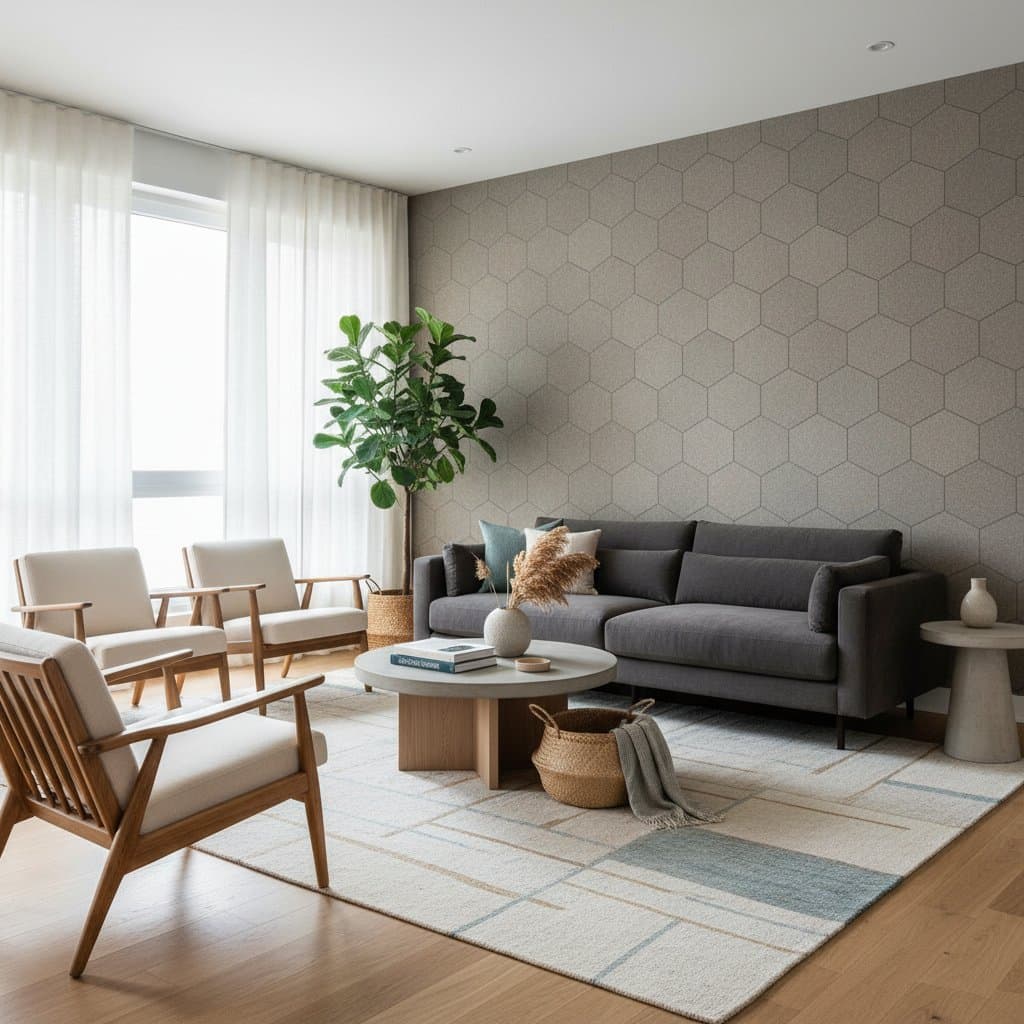
Woven fabrics, felt layers, or perforated surfaces impart texture and intrigue. Arrange them in geometric patterns or uniform grids to infuse the ceiling with artistic flair. -
Suspended Ceiling Clouds
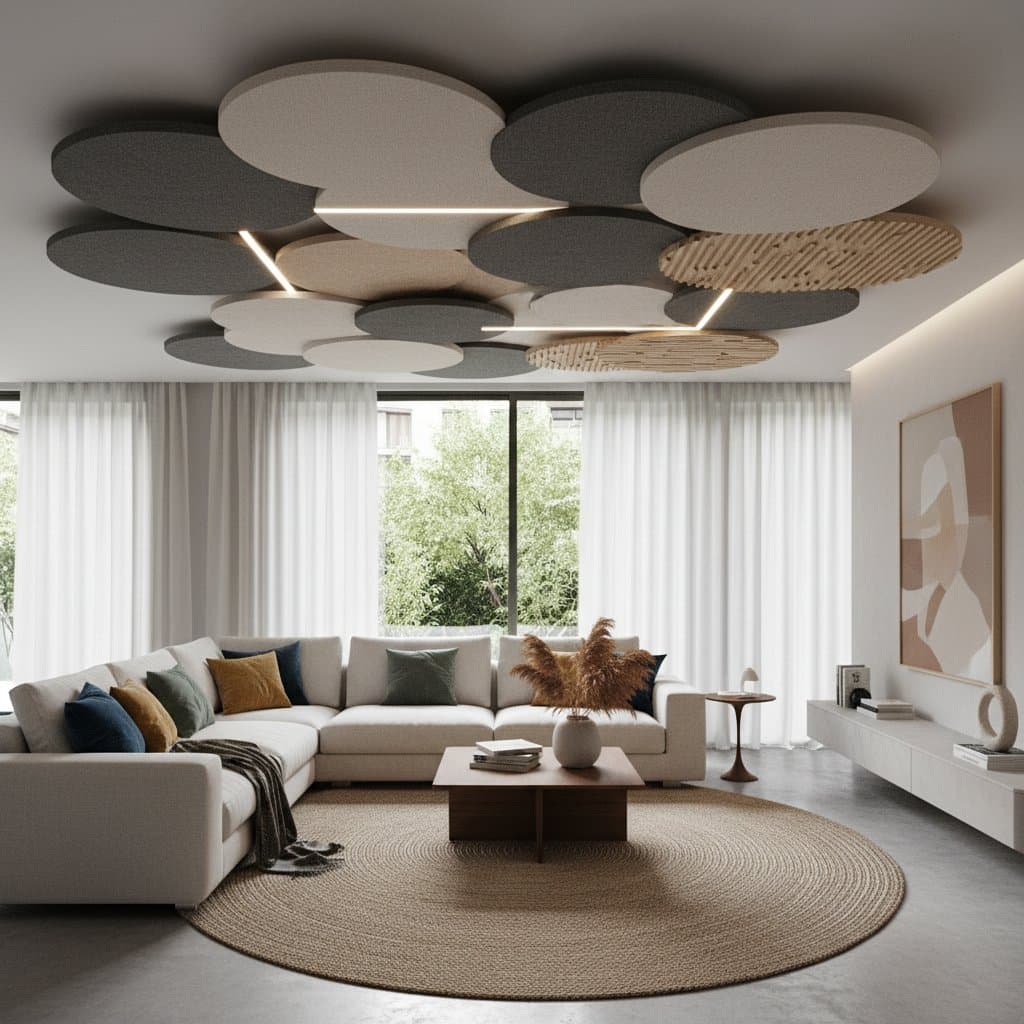
These floating elements or baffles suit open-plan layouts. Positioned below the primary ceiling, they intercept sound from various angles while introducing dynamic visual appeal. -
Wood Slat Ceilings with Acoustic Underlay
Wood enthusiasts appreciate slatted configurations backed by sound-absorbing materials. This option delivers organic warmth and noise control, complementing mid-century modern or Scandinavian styles. -
Sustainable Acoustic Tiles
Crafted from recycled or natural fibers, these tiles appeal to environmentally conscious individuals. Available in subdued palettes, they harmonize with minimalist, serene interiors. -
Acoustic Panels with Built-in Lighting
Panels embedding recessed lights or LED accents unify illumination and sound management. This efficient design maximizes space in compact living areas.
Practical Guide to Soundproofing Your Living Room
-
Evaluate Existing Noise Patterns
Spend time in the room across different periods, noting sound sources such as neighboring units, external traffic, or internal resonances. -
Prioritize Ceiling Installation
Select panels or tiles aligned with your decor preferences. Engage a professional for elevated or irregular ceilings to guarantee precise fitting and stability. -
Enhance Adjacent Surfaces
Incorporate cushions, floor coverings, and wall hangings to minimize reverberation. Layers of textiles amplify the ceiling's effectiveness. -
Secure Potential Entry Points
Sounds infiltrate via outlets, fixtures, and seams. Apply sound-dampening sealants or fillers prior to panel placement. -
Refine with Strategic Furnishings
Pair the ceiling upgrade with heavy curtains, cushioned seating, and shelving units. These additions cultivate a cohesive acoustic profile.
Budgeting for Acoustic Upgrades
Acoustic enhancements accommodate various financial plans. Entry-level tiles rival the expense of standard decorative elements. Intermediate selections, like custom panels or wooden systems, encompass supplies and expert labor.
High-end choices, including bespoke clouds or lit integrations, command premium prices yet yield profound aesthetic and functional gains.
Consider these factors:
-
Material Durability: Fabric-encased or timber options endure longer, justifying higher initial costs.
-
Labor Demands: Fixtures or surface irregularities increase installation efforts.
-
Space Dimensions: Extensive areas demand broader coverage for optimal results.
Building permits seldom apply to acoustic installations absent electrical modifications. Verify regulations with authorities for any integrated features or alterations.
Prioritizing Safety in Overhead Projects
Ceiling work demands caution due to its elevated nature. Employ sturdy scaffolding, safety glasses, and respiratory protection when managing insulative or panel materials. Delegate intricate tasks to certified specialists versed in acoustic applications.
Experts advise on climate-suitable products and comply with regional standards, ensuring longevity and performance.
Adapting to Regional and Environmental Conditions
Local weather influences material choices. In humid or seaside locales, opt for water-repellent composites to avoid distortion. Arid regions favor wood slats, which resist seasonal shifts effectively.
Proximity to thoroughfares or rail lines benefits from combined ceiling treatments and window barriers. In windy, expansive settings like near lakes or fields, lower-hanging baffles target low-frequency disturbances.
Realizing a Harmonious Living Space
Envision entering your living room enveloped in selective sounds, from gentle melodies to intimate discussions. Acoustic ceiling strategies make this vision attainable through deliberate planning and material choices.
Select solutions that resonate with your vision, whether dynamic cloud formations for contemporary vibes or subtle textures for intimate nooks. Beyond noise suppression, these designs promote equilibrium, aesthetics, and effortless daily use.
Embark on your project with informed selections and expert input to craft the tranquil haven your living room deserves.