Acoustic Ceilings: Aesthetic Innovation Meets Acoustic Precision
Spaces enveloped in gentle quietude evoke a profound sense of luxury. The subtle absorption of sound waves fosters an immediate atmosphere of tranquility. Acoustic ceilings, traditionally confined to professional settings like offices and recording studios, now grace residential interiors, dining venues, and communal areas. These elements deliver both visual elegance and functional serenity, illustrating that superior design supports physical and emotional health.
The allure of this trend stems from its seamless fusion of utility and individuality. Options such as embossed panels, artistic tiles, and multifaceted fabrics elevate ceilings to prominent design features. Simultaneously, they mitigate reverberations, temper vocal exchanges, and cultivate a more soothing ambiance. In compact urban dwellings or vibrant family residences, acoustic ceilings redefine spatial perception and utility.
The Impact of Sound on Domestic Environments
Ambient noise influences emotional states more significantly than many acknowledge. Persistent clatter from cooking areas, resonant echoes in lofty living rooms, or distracting murmurs in remote workspaces erode vitality. Acoustic treatments disrupt this cycle by capturing sound waves instead of reflecting them, yielding a nuanced hush that facilitates concentration or relaxation.
Balanced acoustics impart a sense of stability to interiors. Vocal tones acquire warmth and clarity. Audio experiences gain depth and nuance. Silence itself develops subtle layers. Acoustic ceilings excel in this role, operating discreetly to render everyday areas more habitable and harmonious.
Designs That Prioritize Subtlety
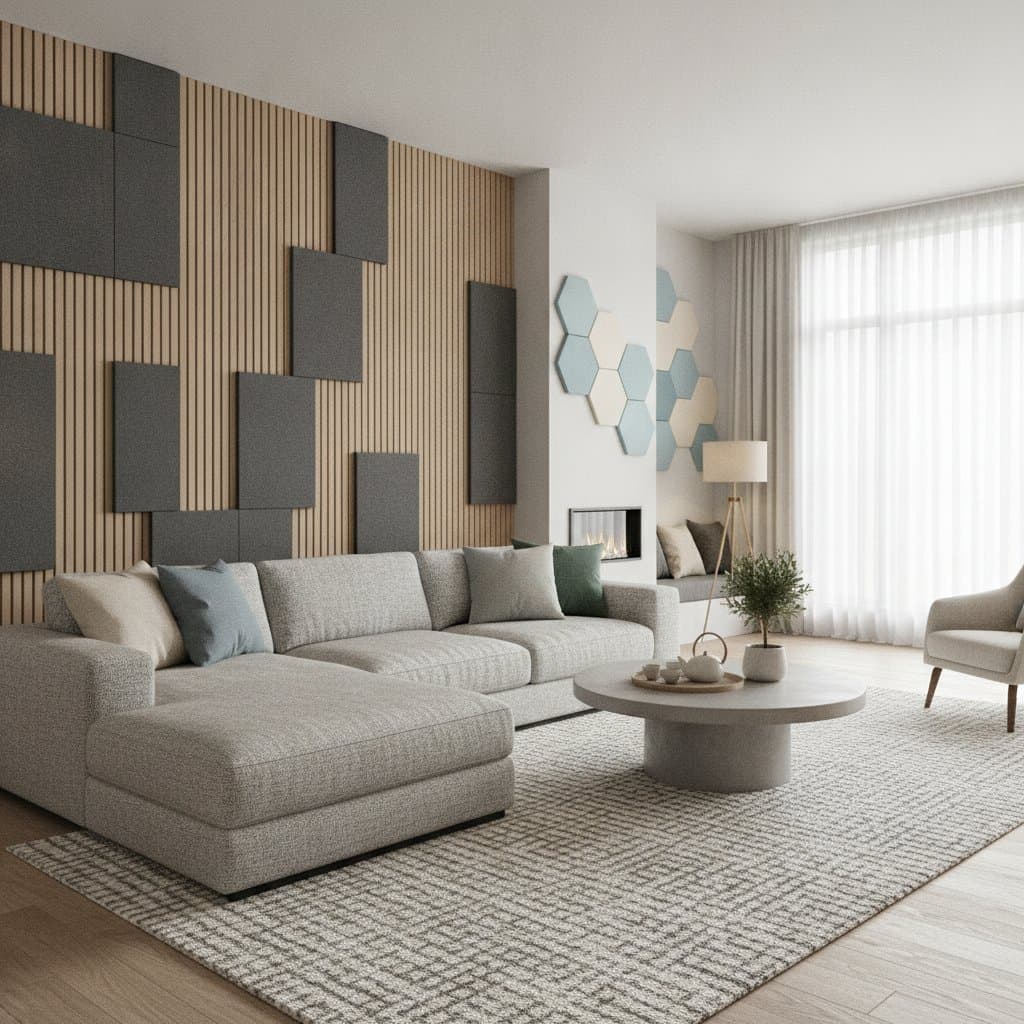
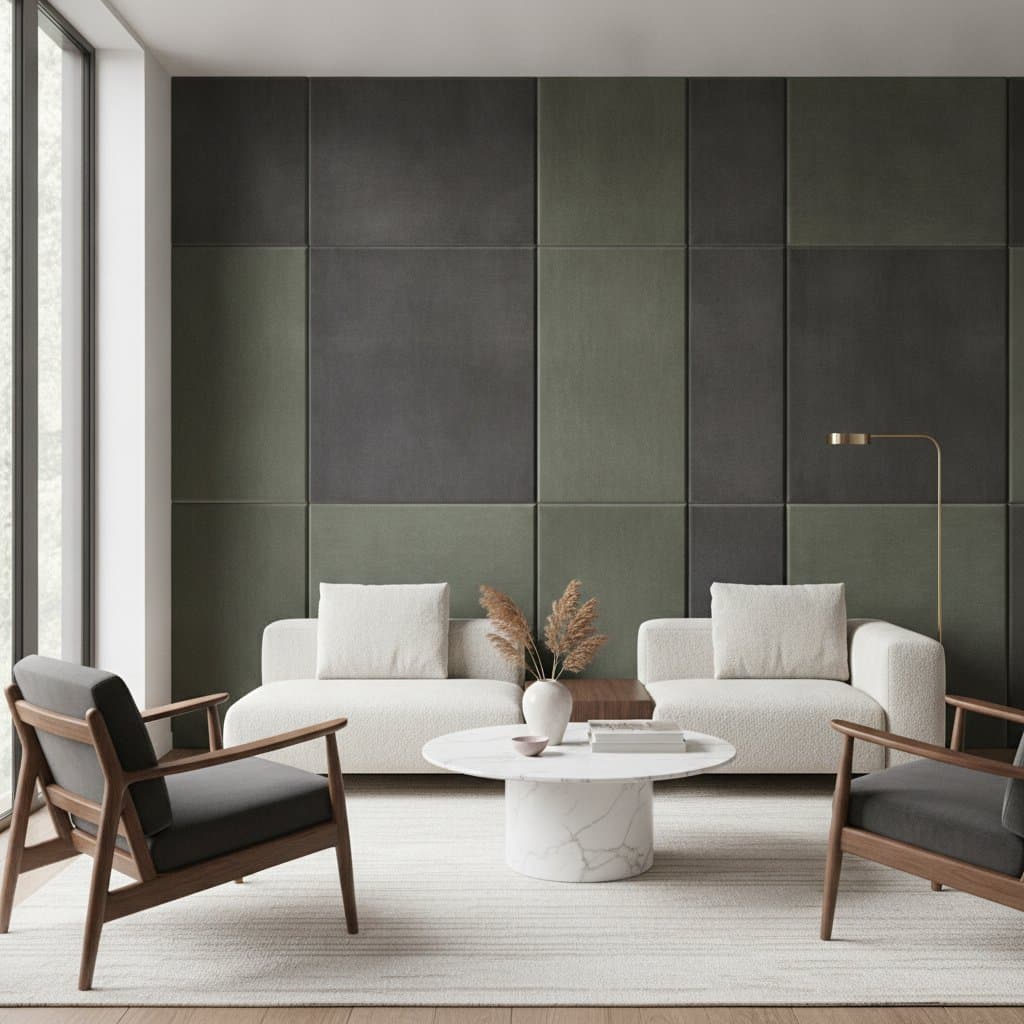
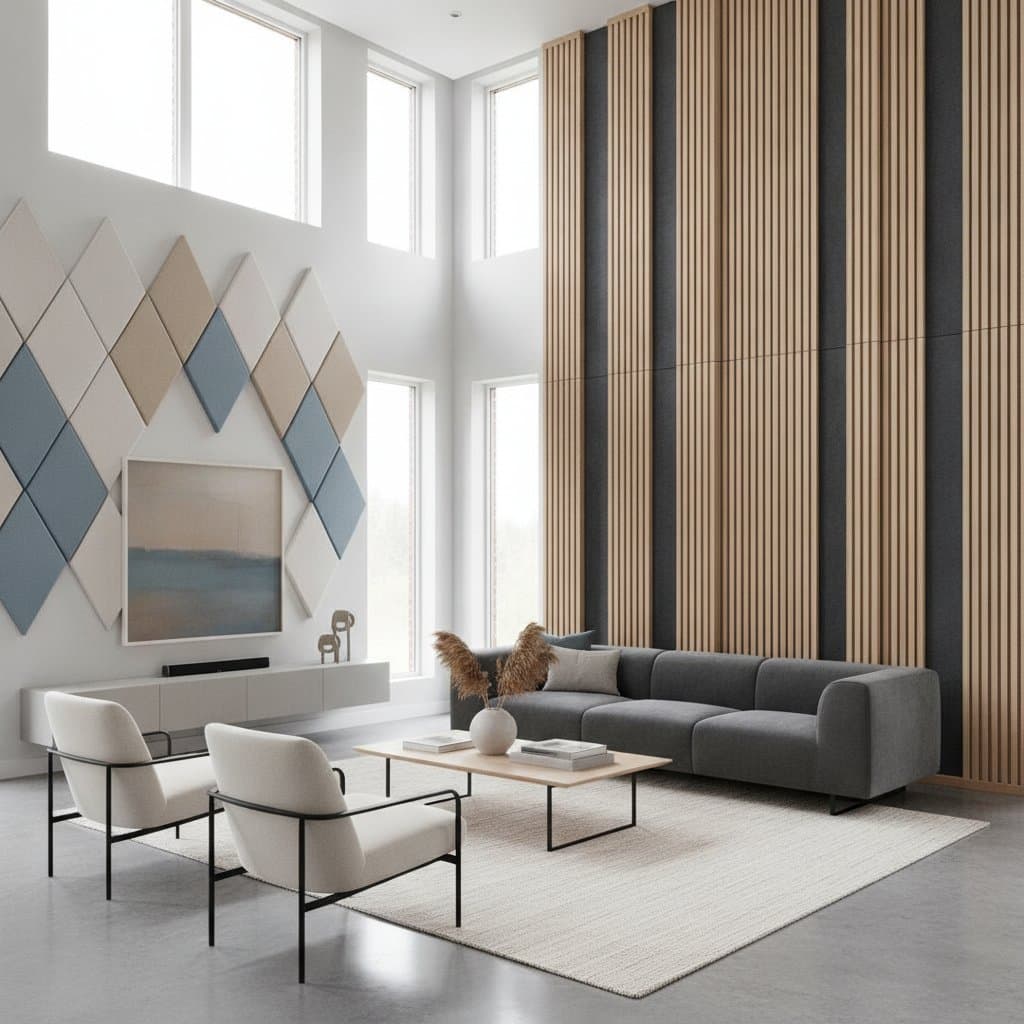
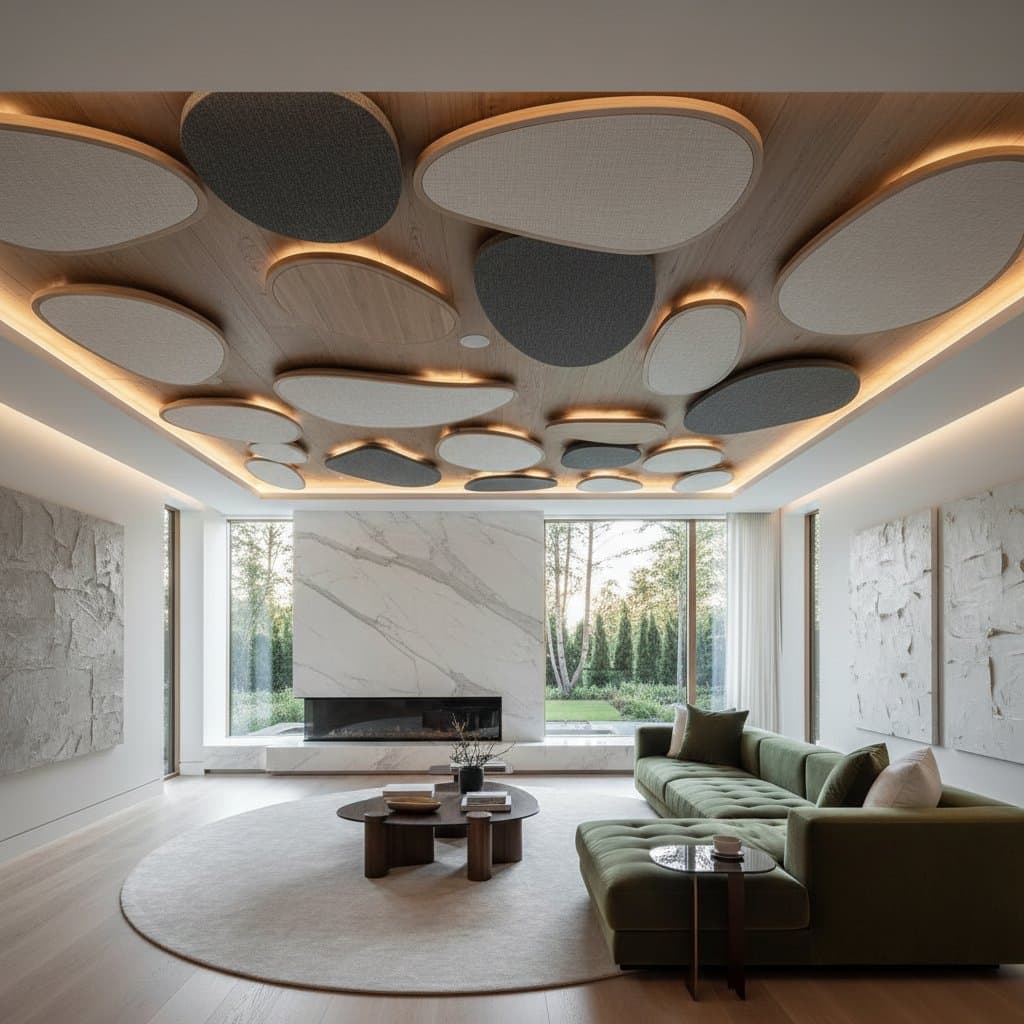
Contemporary acoustic panels offer remarkable versatility in form and finish. They transcend the monotonous grids of past commercial installations. Current iterations feature plush felts, timber-infused composites, and molded plasters in varied configurations. Arrangements range from precise geometric arrays to fluid, undulating patterns that interact dynamically with illumination and form.
Prominent design categories encompass:
- Embossed panels: Introduce dimension and fluidity while effectively dispersing auditory waves.
- Timber battens: Infuse organic warmth and rhythmic patterns alongside acoustic enhancement.
- Fabric-wrapped modules: Provide plush comfort suited to sleeping quarters, reading nooks, or creative ateliers.
- Artistic configurations: Transform overhead surfaces into sculptural statements that also regulate sound.
Such options enable residents to integrate ceilings holistically into design narratives. Regardless of preferences for sleek modernism, earthy rusticity, or pared-down minimalism, compatible acoustic solutions abound.
Functional Advantages of Acoustic Integration
Acoustic ceilings extend far beyond ornamental value to fulfill essential operational needs. They regulate audio in expansive floor plans, diminish resonances in elevated volumes, and delineate functional zones in multifunctional areas.
Principal advantages comprise:
- Elevated focus: Reduced auditory intensity streamlines tasks like professional duties or leisure reading.
- Superior rest: Attenuated sleeping environments promote restorative slumber cycles.
- Augmented livability: Interiors acquire a composed, welcoming essence.
- Heightened seclusion: Dialogues remain localized, preventing unintended dissemination through partitions.
In dynamic households or hybrid work settings, these refinements yield substantial improvements in daily efficacy.
Initiating Acoustic Enhancements
Comprehensive renovations prove unnecessary to harness acoustic ceiling benefits. Incremental approaches allow gradual integration.
Step 1: Evaluate the environment.
Identify zones prone to sound proliferation, such as preparation areas, corridors, or gathering rooms, where rigid surfaces exacerbate amplification.
Step 2: Designate priority areas.
Select an initial space for intervention, such as a dedicated workspace or entertainment zone, to observe tangible outcomes.
Step 3: Curate material selections.
Align choices with existing motifs; resilient felts yield gentle aesthetics, whereas timber elements convey organized warmth and durability.
Step 4: Strategize positioning.
Opt for full coverage or targeted segments to accentuate key regions. Suspended clusters or bordered insets delineate areas without dominating the composition.
Step 5: Execute secure installation.
Adhere to supplier guidelines or engage certified installers for optimal outcomes. Precise fixation guarantees structural integrity and acoustic efficacy.
Pair these overhead solutions with complementary absorbers like draperies, floor coverings, and cushioned seating. This synergistic layering amplifies the enveloping hush.
The Rise of Acoustic Aesthetics in Digital Spaces
Acoustic ceilings capture widespread attention across online platforms. Interior aficionados showcase transformative installations that underscore profound spatial shifts. Their bifunctional essence captivates: functional engineering rendered visually compelling and artistically refined.
Enthusiasts appreciate how undulating surfaces direct attention skyward while anchoring terrestrial elements. This reflects an expanding valuation of residences that prioritize sensory harmony over mere appearance. In an era saturated with auditory and psychological clamor, such understated interventions strike a resonant chord.
Addressing Typical Concerns
Potential adopters sometimes fear that acoustic elements impart undue weight or utilitarian starkness. Equilibrium resolves this through thoughtful pairings of tactile surfaces with streamlined contours and abundant daylight. Select hues that harmonize seamlessly with established schemes rather than introducing stark divergences.
Budget constraints warrant phased implementations; modest applications still yield perceptible auditory softening. Modular systems facilitate progressive expansions. For leased properties, peel-and-stick variants or portable suspensions provide non-permanent efficacy.
Maintenance Essentials for Acoustic Installations
Installed panels demand minimal routine attention. Employ a microfiber cloth for dusting or a soft-bristle vacuum accessory. Steer clear of liquids and abrasive agents to preserve integrity.
Natural compositions like timber or wool blends benefit from periodic rejuvenation. Surface wiping, fixture inspections, and subtle conditioning sustain vibrancy. These measures ensure enduring acoustic and visual performance.
Embracing Tactile Serenity in Daily Spaces
The true merit of acoustic ceilings emerges in their understated influence on routines. The resultant quietude forms a supportive canvas for all activities. Exchanges gain precision. Melodies unfold unhindered by interference. Spaces convey deliberate craftsmanship.
Overhead textures enrich visual narratives as well. Ambient light traces ridges and valleys, generating evolving motifs throughout daylight hours. This serves as a potent affirmation that thoughtful design nourishes auditory perception alongside visual delight.
Implementing Acoustic Harmony
To incorporate this serene, sensory trend, commence with observation. Dedicate moments to auditing acoustics in preferred interiors, pinpointing accumulations of sharpness or diffusion. Envision overhead interventions modulating these dynamics.
Seek tactile encounters at design centers or exhibitions. Sample fabrics, assess sheens, and gauge atmospheric variations. Prioritize intuitive affinities over transient digital trends.
Upon commitment, allocate time for targeted execution. A solitary module deployment often illuminates broader potential. Acoustic regulation and stylistic refinement converge effortlessly, crafting environments that balance allure with equilibrium.