Acoustic Ceiling Panels Bring Quiet Style to Living Rooms
Modern living rooms with open layouts, high ceilings, and hard surfaces like wood, glass, and stone often suffer from unwanted echoes. These features reflect sound waves and create a noisy environment that hinders relaxation. Acoustic ceiling panels address this issue by absorbing sound while adding visual interest to the space.
Identifying Noise Issues in Open Spaces
Hard materials amplify conversations, media audio, and footsteps throughout the day. Homeowners may notice fatigue from constant reverberation even after adding rugs or curtains. Ceiling panels target overhead reflections that floor and wall treatments miss.
Assess your room by clapping in different spots to detect lingering echoes. Note primary noise sources such as entertainment systems or group gatherings. This evaluation guides the amount of coverage required for effective results.
How Acoustic Panels Reduce Echo
Porous cores in these panels trap sound energy instead of reflecting it back into the room. Installation on ceilings intercepts waves before they spread across large volumes. Modular designs allow partial coverage that balances acoustics with existing architecture.
Panels come in various thicknesses and densities to match specific sound frequencies common in residential settings. Proper placement focuses on areas above seating zones and media centers for maximum impact.
Popular Panel Options for Living Rooms
- Fabric wrapped panels offer versatile colors and textures that match most decor styles.
- Wood veneer panels provide natural grain with perforations for sound absorption in rustic or mid century rooms.
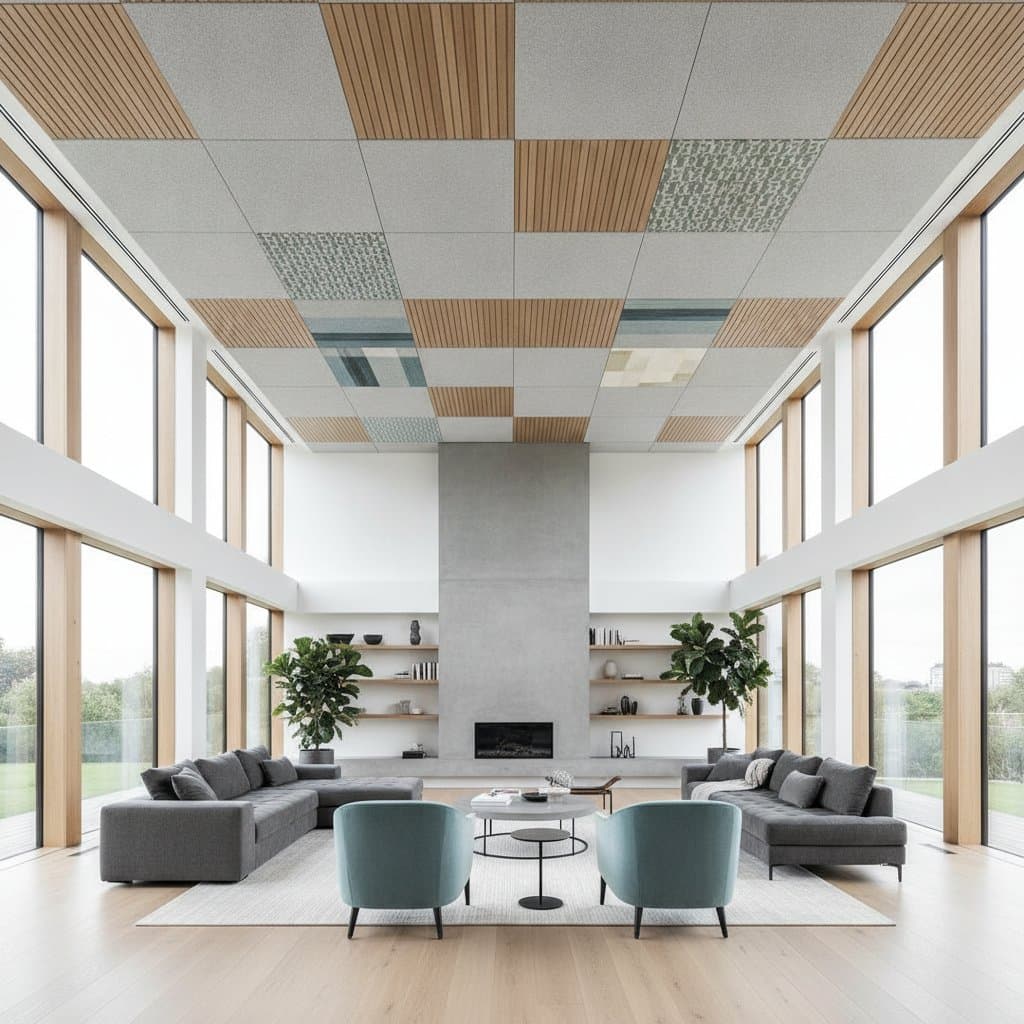
- Suspended clouds create sculptural depth in tall spaces without full ceiling coverage.
- Microperforated metal panels suit minimalist lofts with a sleek industrial appearance.
- Custom printed panels turn sound control into a focal point using patterns or images.
Planning and Installation Steps
Measure ceiling area and plan for twenty to forty percent coverage based on room acoustics. Select moisture resistant materials in humid climates to maintain performance. Hire professionals for secure mounting that accounts for weight and vibration.
Check local fire ratings and building codes before purchase. Combine ceiling panels with area rugs and upholstered furniture for layered sound control throughout the space.
Budget Ranges and Maintenance
Fabric panels typically cost ten to twenty five dollars per square foot installed. Wood options range from twenty five to fifty dollars per square foot. Suspended elements fall between fifteen and thirty dollars per square foot.
Dust panels regularly with a soft attachment. Spot clean fabric surfaces with mild detergent as needed. Follow manufacturer instructions to preserve acoustic properties over time.
Style Specific Applications
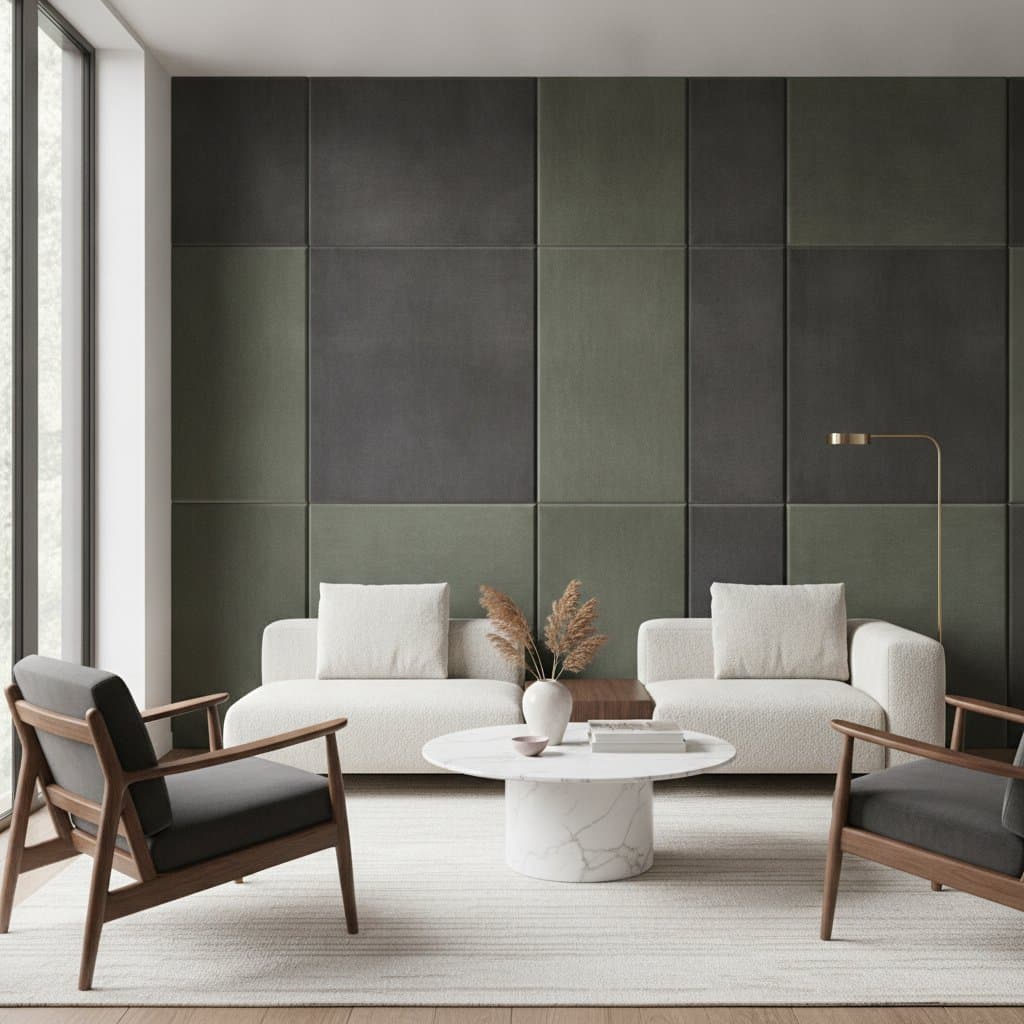
Minimalist rooms benefit from grid layouts in neutral tones. Rustic interiors pair well with visible wood grain and warm lighting. Industrial lofts use matte suspended panels to complement exposed structures.
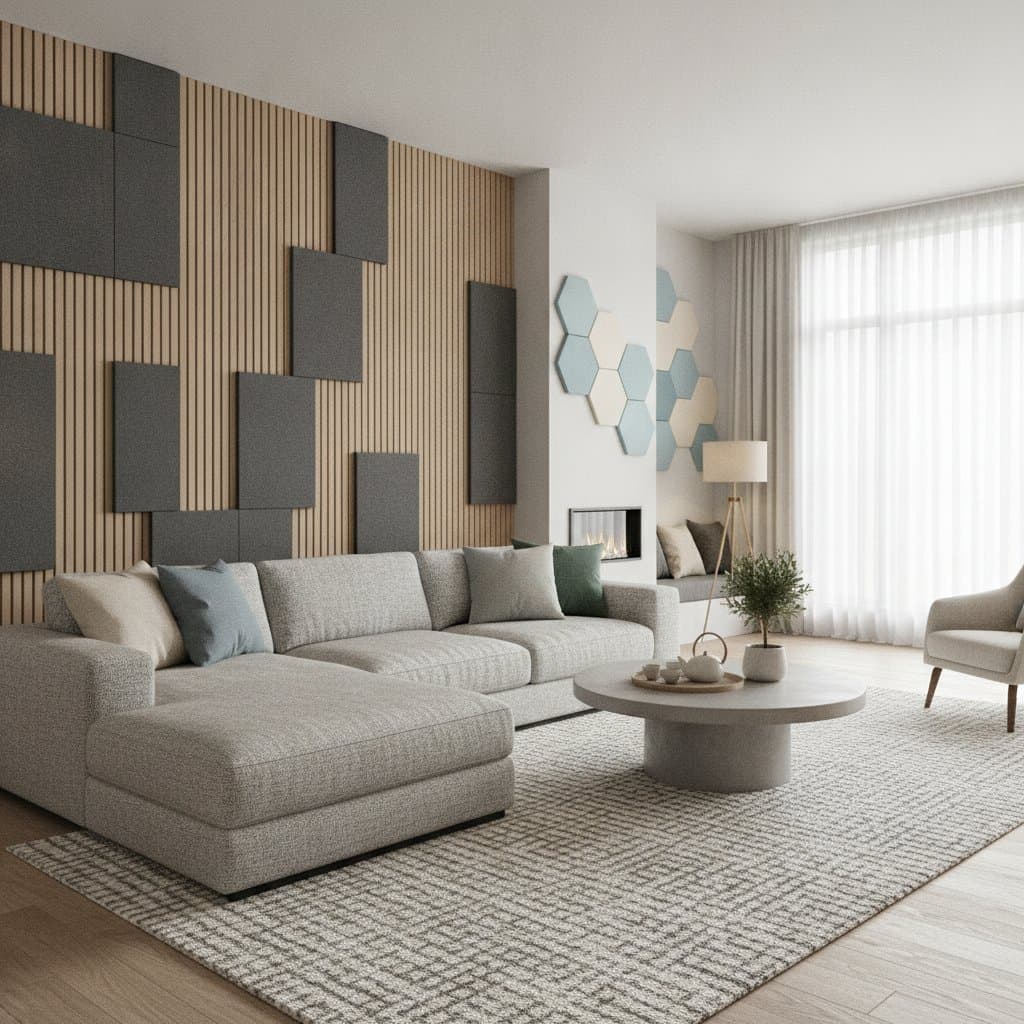
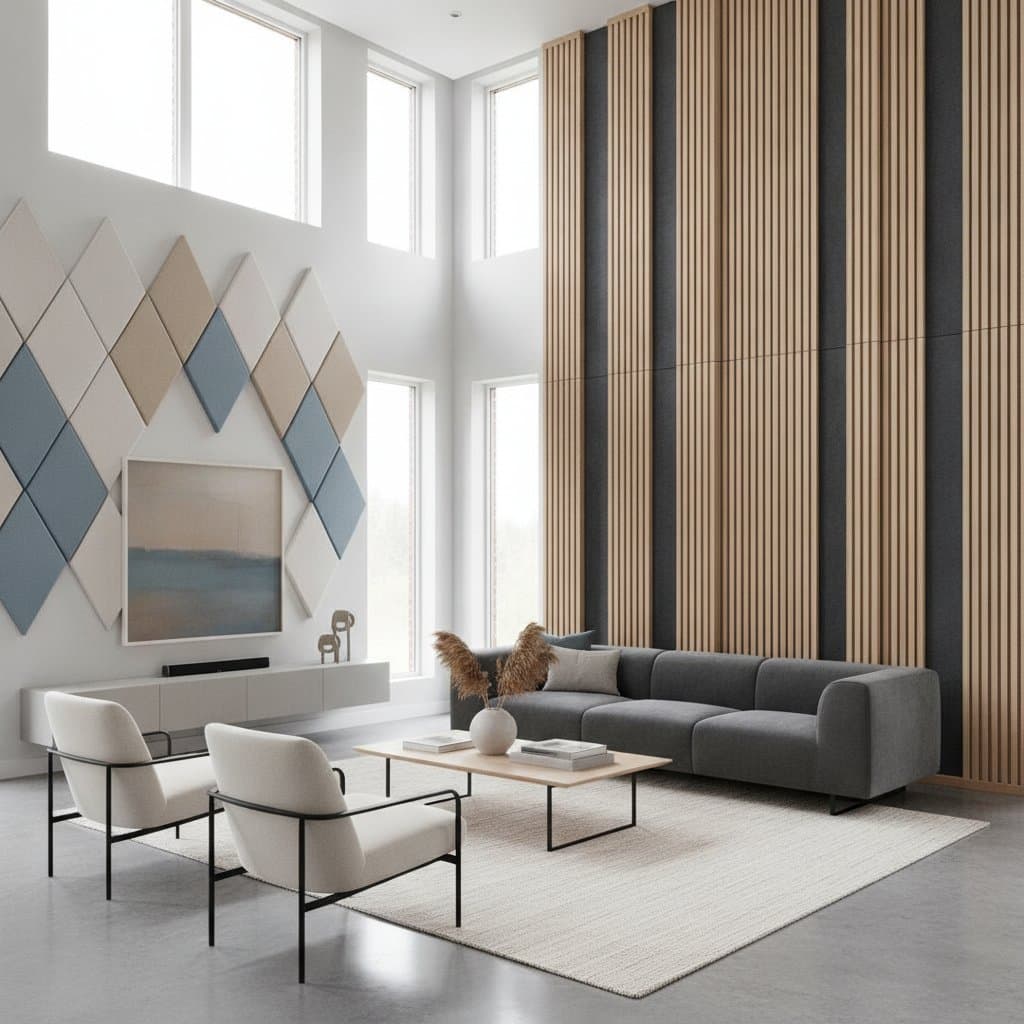
Artistic arrangements of varied shapes add rhythm to contemporary designs. These choices enhance both comfort and visual cohesion without altering core architecture.
Achieving Balanced Living Room Acoustics
Strategic panel placement transforms echoing rooms into calm environments suitable for conversation and rest. The combination of sound absorption and design flexibility delivers lasting daily benefits.