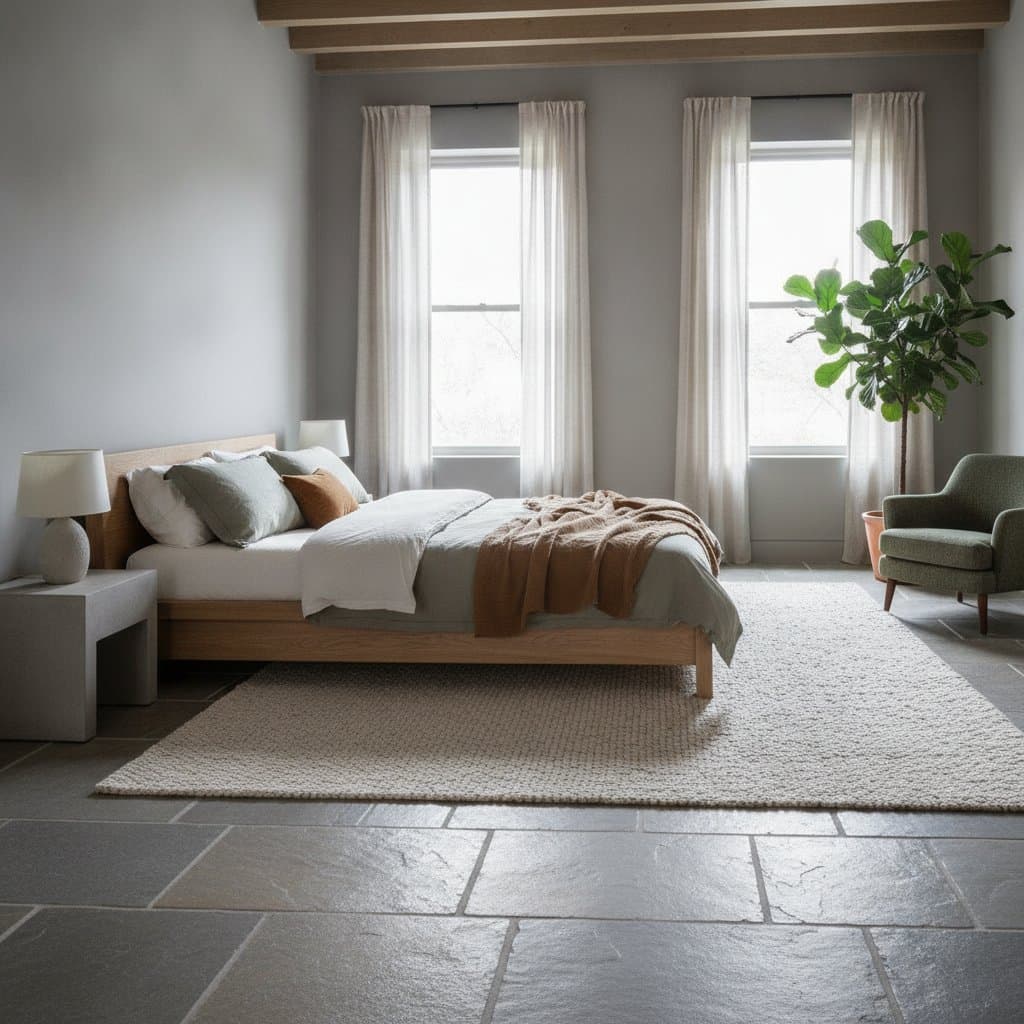
Why Grounding Floors Elevate Bedroom Wellness
Imagine waking up refreshed and centered, with a sense of calm that permeates the room. The morning light filters softly, and the floor underfoot provides a steady, grounding presence. This experience stems from intentional design choices, particularly the incorporation of grounding floors in bedrooms dedicated to rest and renewal.
Grounding floors, also known as earthing surfaces, integrate conductive materials that facilitate a connection to the earth's natural electrical field. These floors counteract the insulating effects of conventional materials, fostering improved sleep, reduced stress, and enhanced overall well-being. Homeowners increasingly adopt this approach to create spaces that support both physical health and aesthetic harmony.
The Science and Benefits of Grounding Surfaces
Modern lifestyles often disconnect individuals from natural environments, leading to accumulated positive charge in the body that may disrupt physiological balance. Grounding floors address this by enabling electron transfer through direct contact, akin to barefoot walks on natural terrain. Research suggests this process neutralizes free radicals, stabilizes cortisol levels, and promotes deeper sleep cycles.
Users report tangible improvements, such as quicker relaxation at bedtime and sustained energy throughout the day. Beyond physiological effects, these floors contribute to a psychological sense of stability, transforming the bedroom into a restorative haven. The combination of functionality and subtle luxury appeals to those seeking holistic home improvements.
Selecting Optimal Grounding Materials
Effective grounding requires materials with inherent conductivity or compatibility with grounding systems. Consider factors like durability, maintenance, and alignment with bedroom aesthetics when making selections.
Recommended materials for grounding include:
- Natural Stone Options: Materials such as marble, slate, or travertine offer natural conductivity due to their mineral composition. These surfaces maintain consistent temperatures, providing a cool sensation that enhances comfort during warmer months.
- Clay or Terracotta Tiles: These tiles ground effectively while delivering warm, earthy hues that soothe the senses. Their non-porous nature resists dust and allergens, benefiting individuals with respiratory sensitivities.
- Engineered Wood with Conductive Layers: Pair solid or engineered wood planks with carbon-infused underlayment to achieve grounding without sacrificing the warmth of wood. This setup suits traditional or rustic bedroom designs.
- Polished Concrete Slabs: Ideal for contemporary spaces, concrete connects directly to the earth's charge when properly installed. Add wool or jute rugs for texture, ensuring they do not impede conductivity.
For carpeted areas, incorporate conductive fibers or underlying mats connected to a grounding rod. Test conductivity with a multimeter to confirm efficacy before finalizing choices.
Implementing Grounding Flooring Step by Step
Successful integration begins with thorough preparation to ensure safety and performance.
- Assess the Subfloor and Site Conditions: Determine if the existing subfloor permits direct grounding or requires modifications, such as installing a copper grounding rod outside. Measure moisture levels to select appropriate materials.
- Choose Materials Based on Environment: Opt for stone or tile in humid climates for moisture resistance; select wood with underlay in drier, cooler areas for added insulation. Verify that selections comply with local building codes.
- Engage Qualified Installers: Collaborate with flooring specialists experienced in earthing systems. They will calibrate conductivity, integrate wiring if needed, and test the setup for optimal electron flow.
- Incorporate Complementary Elements: Layer with organic cotton sheets, bamboo blinds, and potted plants to amplify the natural ambiance. Schedule regular maintenance, like sealing stone surfaces annually, to preserve conductivity.
Key Practical Factors for Grounding Projects
Budget planning plays a crucial role in feasibility. Natural stone installations range from $8 to $15 per square foot, while conductive underlays for wood cost $2 to $5 per square foot. Factor in labor, which typically adds 30 to 50 percent to material expenses.
Safety remains paramount; ensure installers adhere to electrical standards when linking to grounding rods. Most projects complete within three to seven days for standard bedrooms, though custom concrete pours may extend to two weeks for curing.
For guidance, consult vetted professionals through contractor-matching platforms. These services connect you with experts in wellness-oriented renovations, facilitating quote comparisons and project oversight.
Cultivate Sustained Wellness Through Grounded Design
Incorporating grounding floors elevates the bedroom from a mere sleeping space to a vital wellness anchor. This investment yields daily benefits, from restorative nights to balanced days, by harmonizing your environment with natural rhythms. Start by envisioning the materials that resonate with your space, and take the first step toward a more connected home.