Velvet Acoustic Panels: Luxe Soundproofing for Living Rooms
You know that moment when you finally sit down to watch a movie, and the sound bounces off every wall. Or when living room conversation carries into the hallway. Good sound control belongs in the heart of the home. Velvet acoustic panels deliver both hush and high style. They absorb sound, soften walls, and add comfort that feels quietly luxurious.
Why Velvet Works Well
Velvet catches light and shadow to add depth to any room. Its dense pile texture absorbs sound naturally. When stretched across acoustic panels, velvet transforms a functional solution into a design feature. The material reduces echoes while offering a soft surface. This small change alters how a room looks, feels, and performs acoustically.
Strategic Placement Options
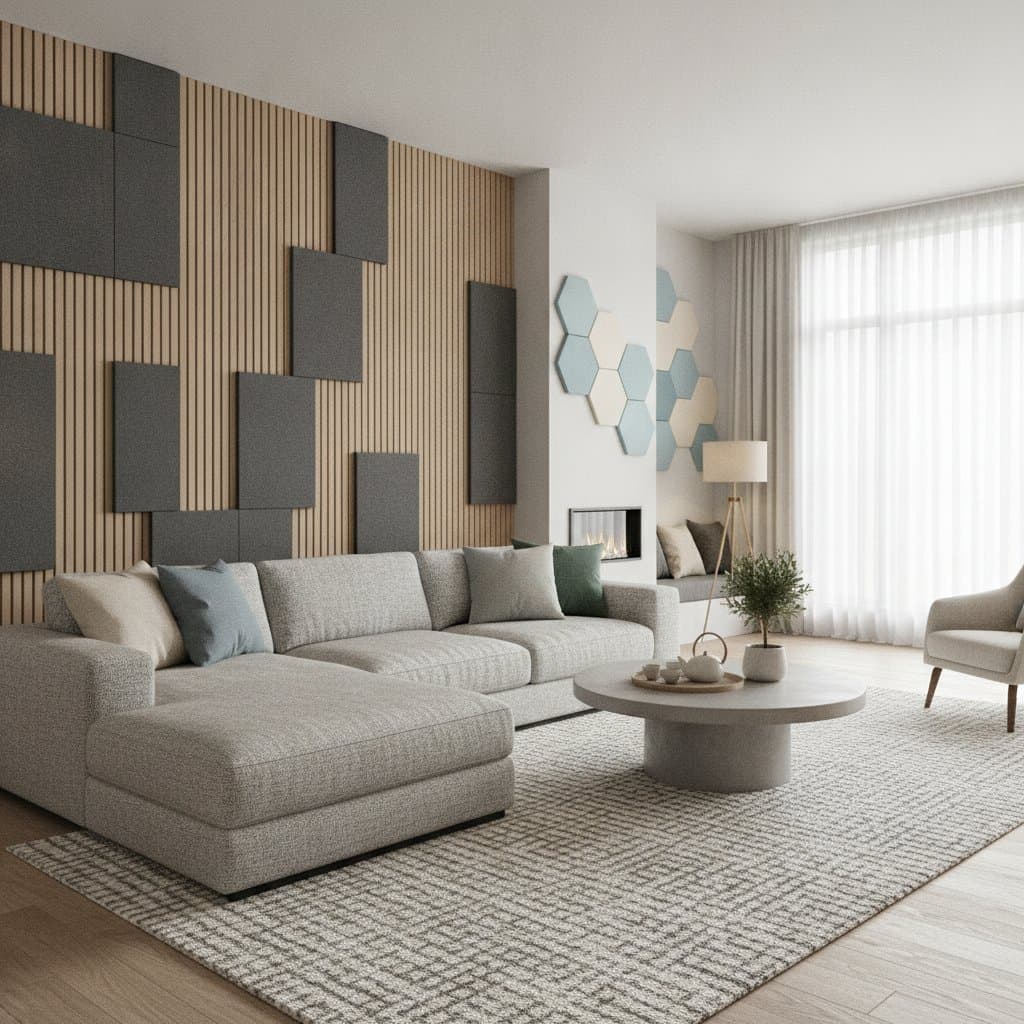
Acoustic panels perform best where sound ricochets. In living rooms, position them behind seating areas, along side walls near speakers, or as a feature wall behind a television. Ceiling installation helps in rooms with lively acoustics. Think of panels as targeted quiet-makers that keep conversation crisp and music clear.
1. Create a Velvet Feature Wall
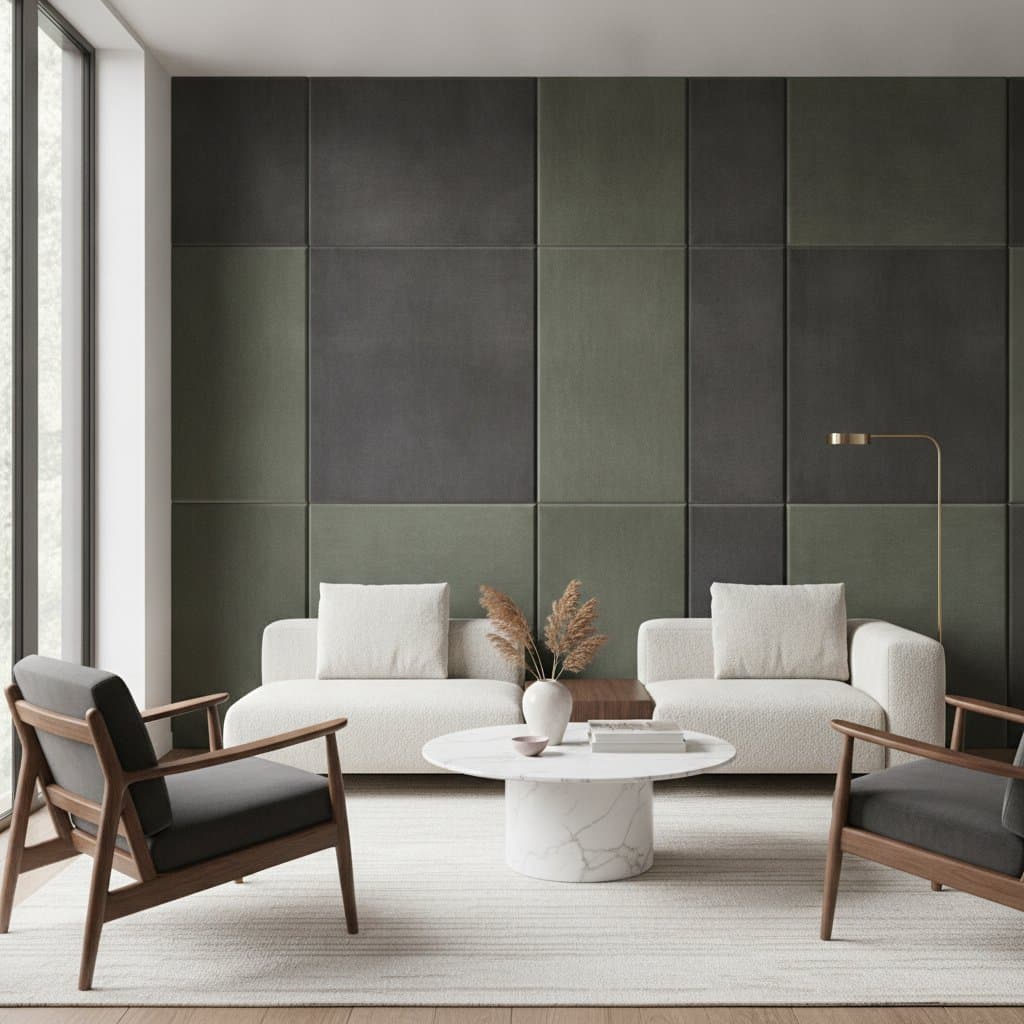
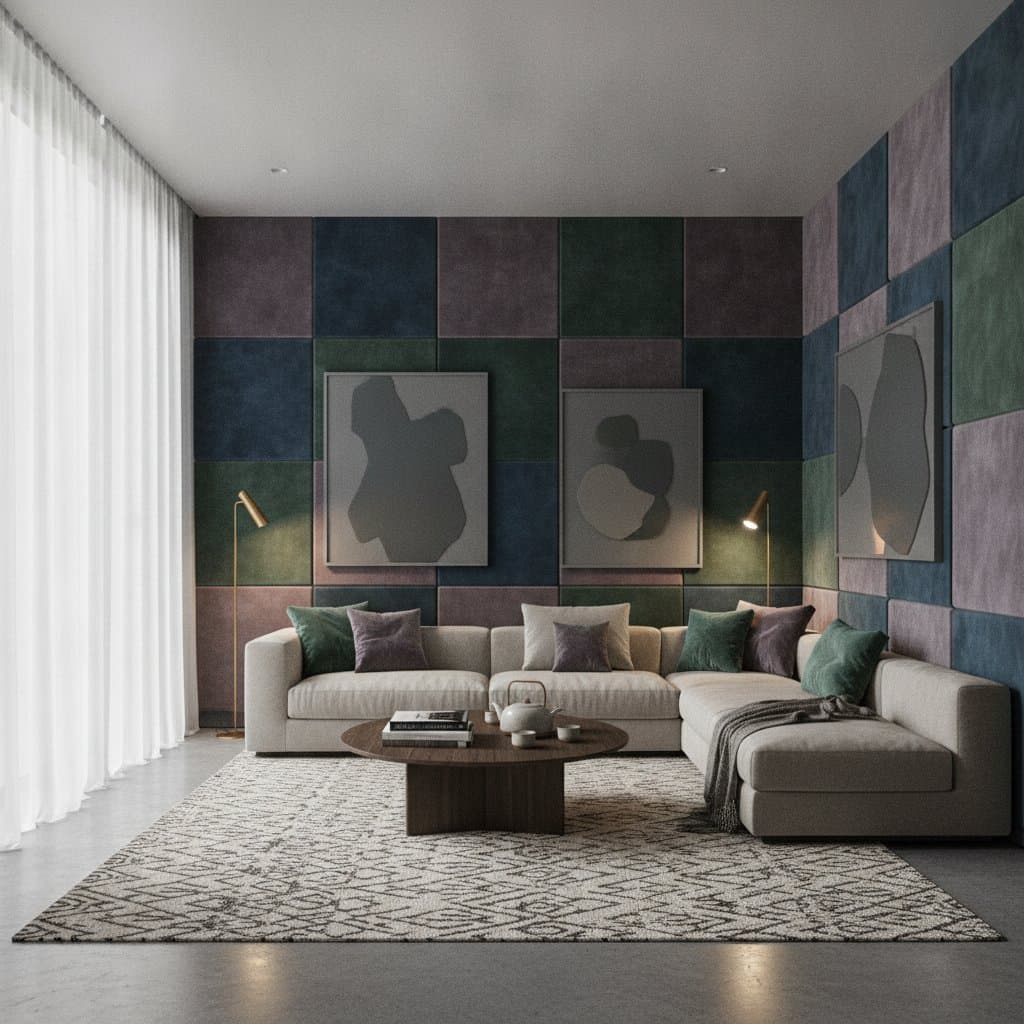
A statement wall gains purpose with velvet acoustic panels. Select a deep hue such as navy or moss green. The wall becomes both visual art and sound solution. Texture shifts with daylight to add subtle movement. Guests rarely notice the hidden acoustic benefit.
2. Use Modular Squares for Adaptable Layouts
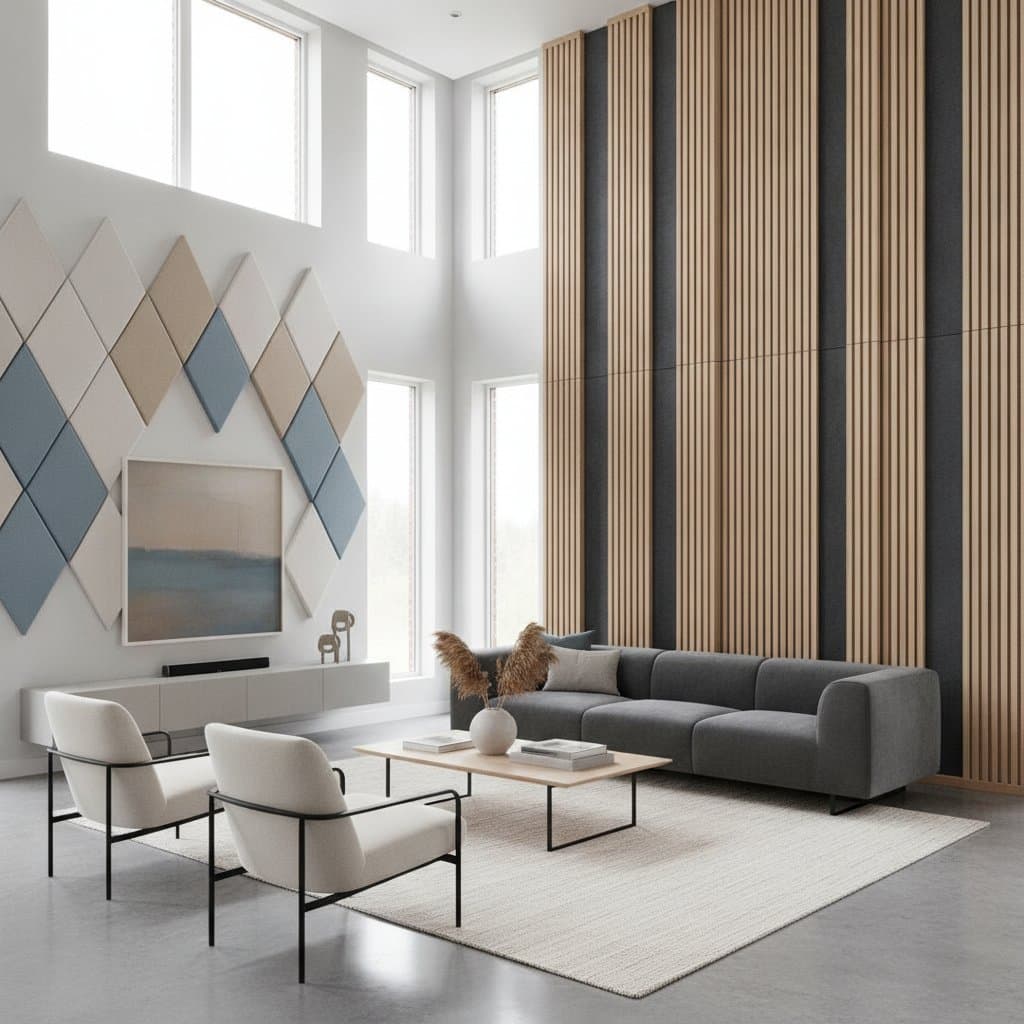
Modular velvet panels arrange like oversized tiles. Experiment with color blocking or geometric patterns while improving acoustics. Shift panels when furniture moves. This flexibility supports evolving designs without sacrificing performance.
3. Frame Panels as Sculptural Art
Frame velvet-wrapped sections to create art pieces. Hang them in grids, organic clusters, or mixed sizes. Frames provide polish while panels manage sound. Many homeowners discover that sound control can enhance visual appeal.
4. Install Panels Behind Existing Drapery
Large windows with velvet curtains offer an opportunity for added control. Place slim acoustic panels behind the drapery line. Fabric and panels absorb sound waves together. The room feels calmer without visible alterations.
5. Add Corner and Ceiling Treatments
Sound collects in corners. Mount small velvet panels diagonally across upper corners to reduce reflections. Ceiling panels, often called clouds, work similarly. Lighter velvet tones prevent a heavy appearance while contributing to design. The result includes cleaner sound and greater comfort.
Practical Benefits for Daily Use
Living rooms serve many purposes and generate noise. Hard surfaces reflect sound and create chaos. Acoustic panels soften these effects so voices remain clear. Velvet introduces visual and acoustic warmth that makes the space more inviting.
Implementation Recommendations
- Match existing velvet tones while varying pile or sheen for depth.
- Balance panel placement on opposite walls for even absorption.
- Evaluate samples under different lighting conditions before final selection.
- Begin with a few panels in rooms that lack upholstery.
Daily Experience After Installation
Velvet acoustic panels integrate into daily routines. Music gains clarity, laughter stays contained, and the atmosphere feels calmer. Occasional vacuuming maintains their appearance. The upgrade delivers composed, intentional surroundings.
Quiet luxury appears in reduced noise levels. A velvet-clad wall elevates comfort beyond visible elements. Each panel improves how the room sounds and feels over time.