Sunset Simulation Windows Deliver Realistic Natural Light
There is a quiet kind of magic in the moment when daylight softens and turns golden. Shadows stretch, colors deepen, and the world feels calmer. For many people who live in apartments, work in internal offices, or spend much of the day indoors, that natural rhythm can be easy to miss.
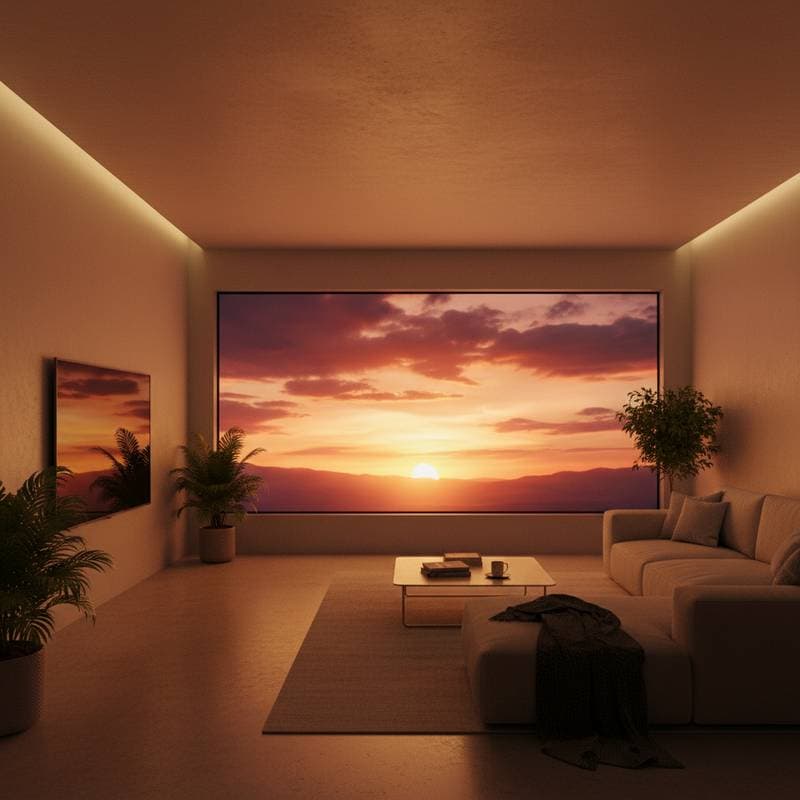
Sunset simulation windows, powered by LED sky panels and smart circadian lighting systems, are changing that. They bring the slow, shifting light of dusk into interior spaces. This creates a sense of calm that feels both modern and deeply human.
The Gentle Science Behind Artificial Windows
At their heart, sunset simulation windows are carefully designed panels that reproduce the look and feel of outdoor light. Using layered LED technology, these systems shift color temperature and brightness throughout the day. Morning light starts at a cool 6500K. Afternoon light grows warmer toward 4000K. As evening approaches, the panels dim and glow in shades of amber, rose, and soft violet around 2000K.
This gradual change mimics the natural movement of sunlight across the sky. Our bodies respond to those cues instinctively. When light follows a natural rhythm, it supports healthy sleep patterns, steadier energy, and better mood regulation.
Creating a Sky Where There Was None
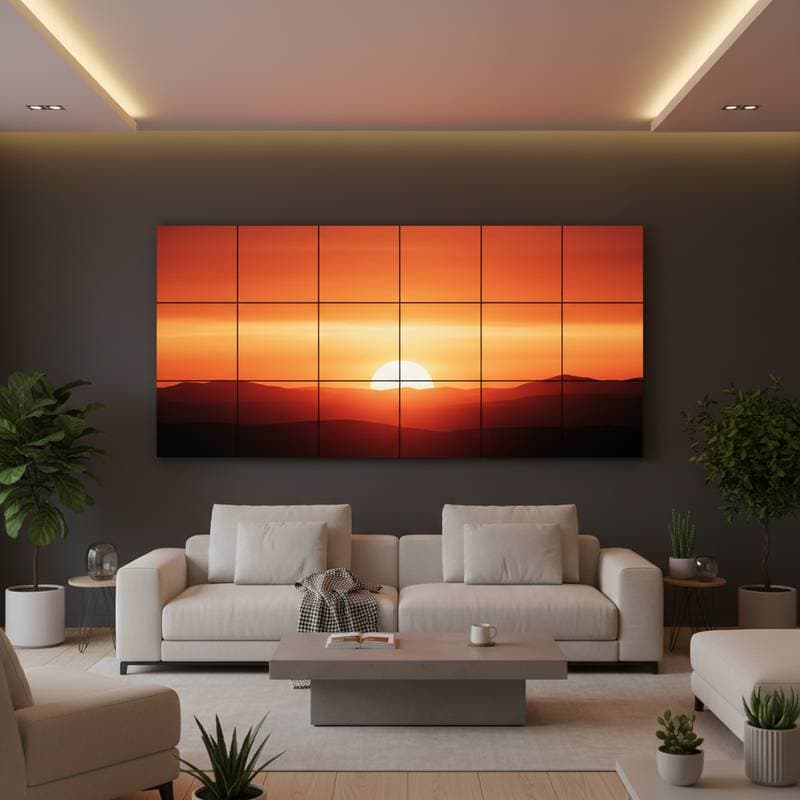
Architects and designers are using LED sky panels to transform everything from windowless basements to office corridors. These panels can be installed on walls or ceilings. They appear as luminous skylights or faux windows that open up the room. The best designs do not just light a space. They change its mood.
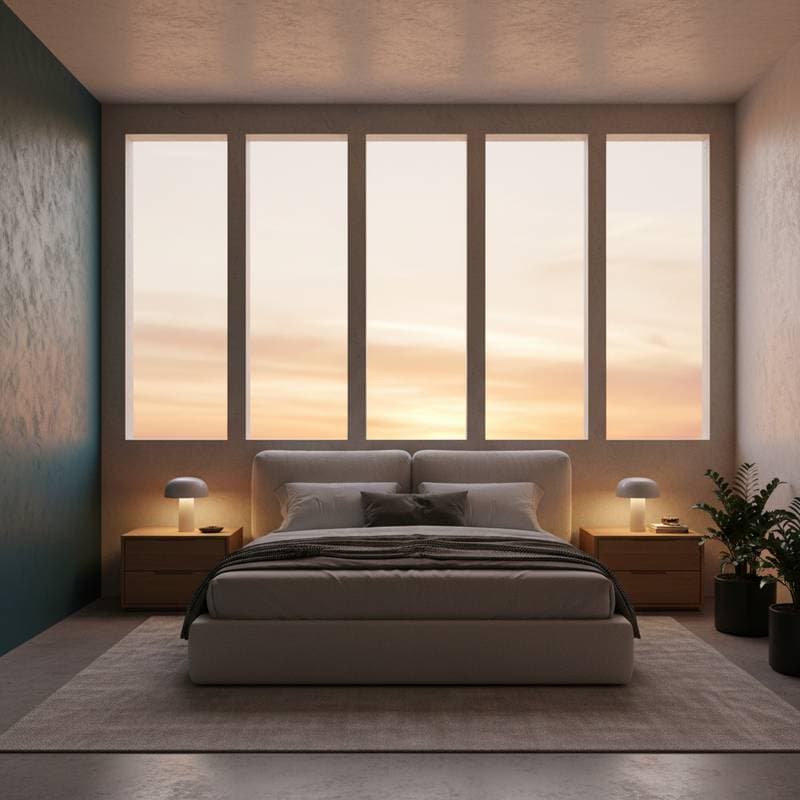
A narrow hallway can suddenly feel like a sunlit alley. A dim bedroom can glow as if it overlooks an evening sky. Even a windowless home gym or yoga studio can feel alive with subtle color shifts that follow the rhythm of the day.
Why Light Quality Matters at Home
Natural light does more than brighten interiors. It influences how we feel, think, and rest. When daylight patterns disappear during long work hours indoors, our internal clocks can lose track of time. Artificial windows help restore that balance.
They offer three main benefits:
- Mood support through warm, gradual light transitions that help reduce tension and support relaxation.
- Better rest by exposing users to consistent circadian cycles that signal the body when to wind down.
- Visual comfort from balanced lighting that reduces glare and harsh shadows.
Even a single panel placed in a strategic spot can change how a room feels. It can make mornings more energizing and evenings gentler.
Small Steps Toward Brighter Living
You do not need to overhaul your home to enjoy the benefits of simulated natural light. Start with one or two spaces that feel dim or disconnected from the outdoors. Common spots include home offices, bathrooms, hallways, and bedrooms.
A soft, shifting sky panel above your desk can make long work sessions more pleasant. Replace harsh overhead lights in bathrooms with a panel that mimics dawn or dusk. These areas often lack windows, yet they set the emotional tone for entering or leaving home.
Spend just a few minutes each evening letting the light change around you. Notice how your body responds. Over time, this small ritual creates a sense of calm that ripples through the rest of your day.
The Art of Realistic Illusion
Creating a convincing artificial sky takes both technology and artistry. Designers use layers of diffusers, reflective materials, and carefully programmed LED sequences to reproduce the texture of open light. The best systems include subtle irregularities, just like in real sunlight.
Color temperature is key. Midday light hovers around a neutral white, while sunset shifts toward deeper reds and oranges. By programming the panels to move through these ranges gradually, the illusion of time passing feels authentic.
Integrating Circadian Lighting Into Daily Life
Many modern circadian windows can sync with smart home systems. You can set them to match your personal rhythm, whether you need a gentle wake-up cue or a slow dimming to signal bedtime. Some people prefer to align their panels with actual sunrise and sunset cycles. Others choose custom timing that fits their routine.
If you share a home, consider the collective rhythm of everyone who lives there. A family room might benefit from bright, energizing light in the afternoon. Bedrooms should stay warm and dim in the evening.
Overcoming Common Concerns
It is natural to wonder whether artificial windows might look too synthetic or require complicated installation. The truth is that the technology has become both subtle and user-friendly. Modern LED panels are low-profile and energy efficient. Many can be mounted with simple hardware, similar to hanging a large picture frame.
If cost is a concern, start small. A single panel placed thoughtfully can make a noticeable difference. Over time, you can expand your setup. Some models even allow modular connections, so you can build a simulated skylight wall piece by piece.
Look for panels with a high color rendering index and gradual dimming capability. These features ensure the tones appear natural to the human eye.
A Design Element With Emotional Weight
Beyond their technical appeal, sunset simulation windows bring emotional depth to interiors. They create a sense of openness that supports both productivity and relaxation. In creative studios, they can spark inspiration. In healthcare or hospitality settings, they offer comfort where natural windows are impossible.
For homeowners, they provide an opportunity to shape mood intentionally. Just as you might adjust music or scent, you can now adjust light to match your energy. The result is a home that feels responsive, alive, and soothing.
Living With Light Awareness
Once you start noticing how light affects your body and mind, small changes become second nature. You might dim your lamps earlier in the evening or open real curtains wider during the day. Artificial windows are not meant to replace nature. They remind you of its rhythm.
Try combining your light rituals with mindful moments. Sit quietly for five minutes as the simulated sunset fades. Let the colors shift around you. Breathe slowly. The experience can become an anchor at the end of the day.
Begin Your Transformation With Targeted Light Changes
The beauty of sunset simulation windows lies in their subtlety. They do not shout for attention. Instead, they whisper a reminder of the sky, inviting calm wherever they are placed. Whether in a compact apartment or a large home, these panels can create an emotional connection to nature that modern spaces often lack.
If you are ready to explore this idea, begin with curiosity. Notice which rooms feel heavy or dim. Imagine how a touch of moving light might shift their mood. Start with one space, observe how it changes your daily rhythm, and adjust from there. Over time, these small steps will create a home that feels more balanced and alive.