How Artificial Windows Restore Natural Light Cycles in Dark Spaces
Consider the disorientation of waking in a pitch-black room, isolated from the day's first light, or attempting to unwind with only walls in view. Individuals in basement apartments, interior condos, or windowless rooms often experience this isolation, where the lack of natural light drains vitality from even the most thoughtfully designed interiors. Artificial windows address this challenge by introducing simulated sunlight and realistic sunsets, revitalizing these spaces with a sense of openness and rhythm.
These devices extend beyond basic illumination; advanced models replicate the nuances of daylight, including color variations and intensity shifts. A basement bedroom regains the illusion of sky exposure, aligning with the straightforward aim of synchronizing human circadian rhythms through artificial means. This section examines the components that enable this effectiveness, their rising popularity among designers, and selection criteria for optimal integration.
Components of an Artificial Window System
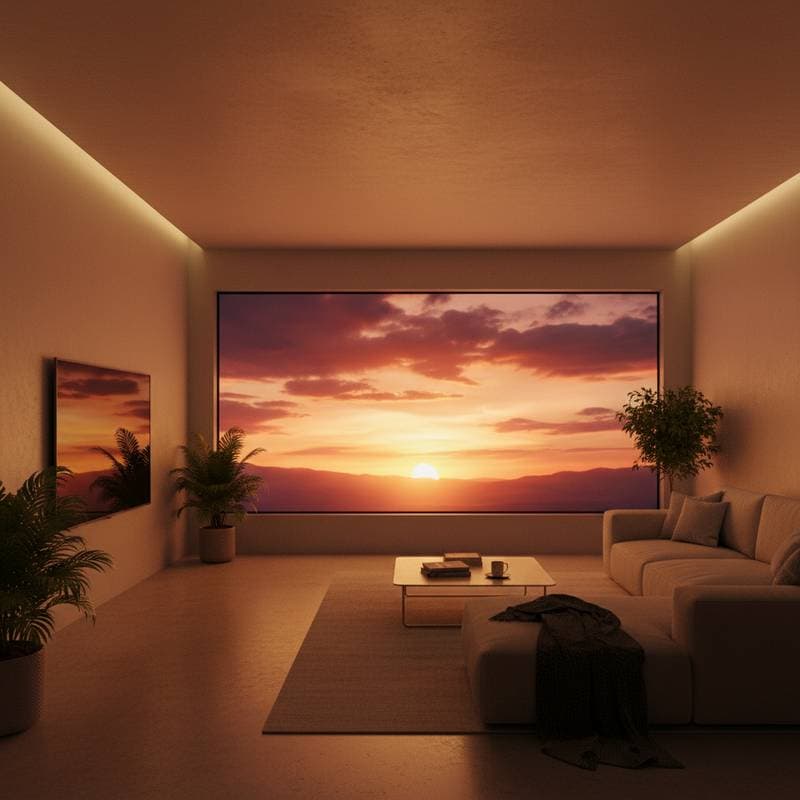
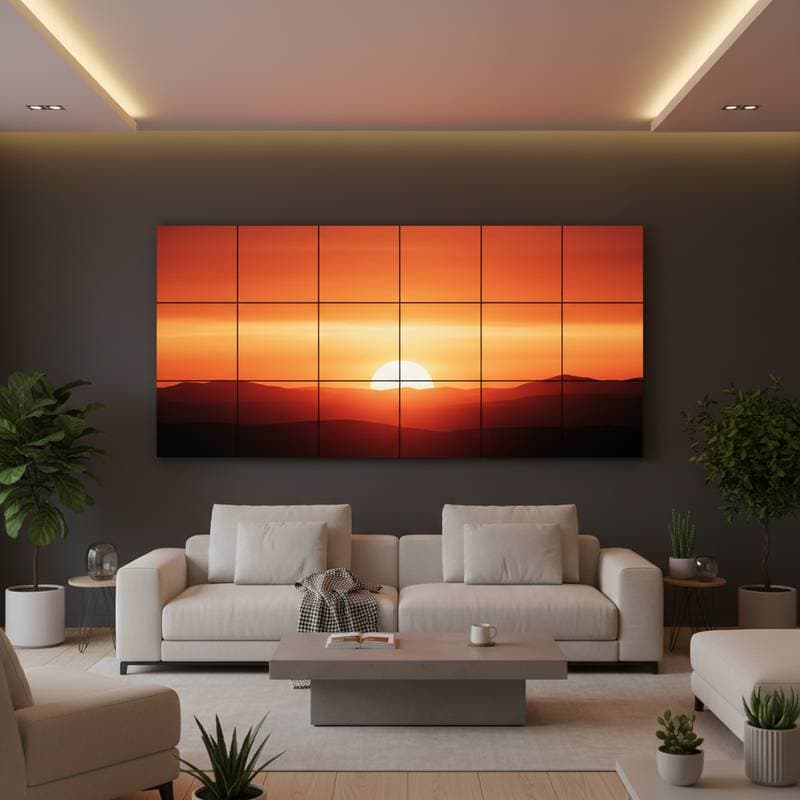
An artificial window resembles a framed pane of glowing glass at initial inspection, yet its underlying technology involves multiple layers. Core elements include high-quality LED arrays, light-diffusing materials, and adjustable color temperature settings to emulate the sky's evolving palette. Select models incorporate faint gradients or subtle projections of natural elements like clouds or foliage for added depth.
The perception of spatial extension proves essential to the design. Systems often feature recessed mounting or simulated wall recesses, preventing the light from appearing planar. Proper installation enhances this effect, convincing the viewer of an expansive vista beyond the surface.
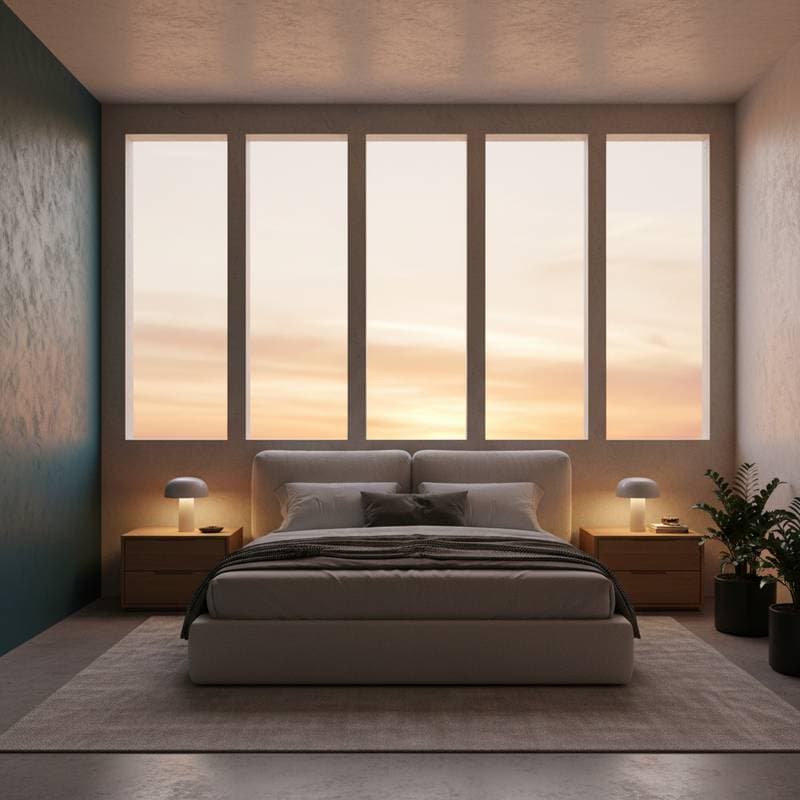
Integration with intelligent controls elevates functionality. Program the unit to deliver warm sunrise illumination upon waking, neutral midday brightness for productivity, and gentle amber tones signaling evening repose. These changes occur gradually, influencing physiological responses akin to genuine solar progression without overt awareness.
Benefits Extending to Health and Comfort
The advantages of artificial windows surpass visual appeal, impacting physical and mental equilibrium. Exposure to varied light spectra regulates alertness and relaxation, supporting circadian alignment in environments deprived of sunlight. Night-shift workers or residents in low-light dwellings benefit from this non-invasive wellness tool.
Psychologically, the transformation fosters reconnection. A previously claustrophobic area gains a simulated horizon, alleviating tension and sharpening concentration. Occupants report extended time in these rooms, drawn by the subtle vitality.
One client captured the shift succinctly: “It is like I gave my basement a heartbeat.” Such testimonials highlight improved mornings, increased room usage, and serene evenings, underscoring the profound yet understated influence on daily life.
Strategies for Authentic Integration
Authenticity in artificial windows demands subtlety over exaggeration. Maintain light intensity at comfortable levels with natural hues, prioritizing the gentle diffusion of daylight rather than exact replication.
Strategic positioning reinforces realism. Mount the unit where sunlight would naturally penetrate, such as above a bed or workspace, avoiding incongruent spots like behind storage. Align with architectural logic to sustain the deception.
Framing choices contribute to cohesion. Opt for clean white borders to mimic standard windows or deeper insets for a skylight ambiance. Where feasible, incorporate a narrow sill beneath for plants or books, anchoring the feature within the room's aesthetic.
Investment Options and Budget Adaptations
Comprehensive artificial window installations represent a worthwhile commitment, particularly during renovations. Embedding units flush into walls yields seamless results, blending technology with architecture.
For renters or cost-conscious setups, portable variants offer flexibility, attaching via brackets like framed art. Many include swappable screens for diverse scenes, from serene skies to diffused glows.
Complement simpler models with complementary illumination. Layer overhead fixtures, focused task lights, and ambient sources to harmonize with the window's output, crafting a cohesive lighting narrative across the space.
Daily Experience with Simulated Daylight
After setup, artificial windows integrate unobtrusively, shifting focus from mechanics to sensory benefits. Morning radiance aligns with routines, while dusk simulations cue relaxation, infusing the environment with organic cadence.
Upkeep remains straightforward. Wipe surfaces periodically to remove dust and verify color accuracy in connected systems. Experiment with seasonal schedules or mood-based adjustments to personalize the experience, leveraging inherent adaptability.
Realizing the Full Potential of Light-Enhanced Rooms
Artificial windows demonstrate that well-being stems from perceptive cues. Simulated vistas of evolving light cultivate tranquility in isolated areas, yielding not merely aesthetic gains but tangible emotional uplift. A once-shadowy bedroom evolves into an inviting sanctuary, responsive to human needs.
Entering such a space, one might linger, mirroring the contemplation of an authentic sunset. This outcome arises from deliberate choices in lighting, textures, and placement, affirming that effective design operates with quiet assurance.