Achieving Quiet in Living Rooms Through Soundproof Wallpaper
Picture an evening disrupted by the low drone of a television, the rumble of passing traffic, and fragments of a neighbor's discussion filtering through the walls. These interruptions often lead to a desire for more peaceful surroundings. Although solutions like thick acoustic panels or major structural changes come to mind, soundproof wallpaper presents a more accessible option. This product mimics traditional wall coverings, offers a pleasant texture, and substantially diminishes common household noises in living areas.
The Importance of Noise Reduction
Noise pollution surpasses simple irritation; it drains cognitive resources over time. The steady hum of urban traffic or the resonance from uncovered walls generates a tense ambiance. Soundproof wallpaper captures these ongoing sound waves, creating a more even acoustic environment. Such a space facilitates uninterrupted discussions and reduces the intrusion of background sounds, weaving calm directly into the room's architecture.
Understanding Soundproof Wallpaper
Soundproof wallpaper features multiple layers: an outer decorative finish combined with a core material designed to absorb sound. Common choices encompass foam-based interiors, woven textile layers, robust vinyl sheets, or natural cork supports. These components trap sound waves instead of permitting reflection, which leads to fewer echoes and a steadier listening experience. To achieve the best results, evaluate the dimensions of the space and the intensity of surrounding noises when choosing a product.
For instance, in a medium-sized living room exposed to moderate street sounds, a wallpaper with a 5-millimeter foam backing proves effective. Thicker options, around 10 millimeters, suit larger areas or environments near busy roads. Always review product specifications for decibel reduction ratings, typically ranging from 10 to 20 decibels, to match your needs.
Key Features for Enhanced Performance
-
Textured Finishes
Patterns with raised or interlaced designs scatter sound waves much like soft furnishings do. Opt for a subtle linen texture or a soft felt overlay to gain both visual interest and sound diffusion. These choices fit effortlessly into contemporary setups or classic schemes, enhancing the room's depth without overwhelming the eye. -
Cork Underlayers
Cork excels at muting vibrations due to its dense, porous structure, making it ideal for blocking outside noises and internal bounces. Install it in zones with frequent activity, such as near windows or doorways, to maximize its influence. Beyond acoustics, cork adds an eco-friendly element, sourced from renewable bark that regenerates without harming trees. -
Peel-and-Stick Applications
Ideal for temporary setups or leased properties, these self-adhesive types apply quickly and lift off cleanly. Begin by cleaning walls thoroughly and taking accurate measurements to avoid overlaps or shortages. This method provides measurable sound dampening in under an hour, offering flexibility for seasonal changes or moves. -
Sealing Edges and Seams
Sound frequently leaks through joints and borders; address this by using overlapping sheets or applying acoustic sealant tape along edges. During installation, check for any openings and fill them promptly. This technique boosts efficiency, comparable to weatherproofing drafts around doors and frames, ensuring comprehensive coverage. -
Complementary Layering Techniques
Combine the wallpaper with substantial drapes, upholstered furniture, or thick floor coverings to intensify noise suppression. Arrange larger pieces, like bookshelves or sofas, to interrupt direct sound travel across the room. This integrated method constructs a robust defense against everyday auditory disturbances, creating layered protection.
Consider adding wall-mounted absorbers in corners, where sounds tend to accumulate, for further refinement. Test the setup by playing audio at various volumes to identify weak spots and adjust accordingly.
Tangible Advantages in Daily Use
Once applied, a living room equipped with soundproof wallpaper instantly feels more cohesive and restful. Conversations gain clarity, permitting reduced volume on media devices. The subtle whir of appliances fades into obscurity. Users frequently note the greatest gains during relaxed periods, such as reading or family gatherings, where minor noises otherwise dominate. While complete silence remains elusive, this intervention polishes the sound profile, elevating overall ease.
In practical terms, families report up to a 30 percent drop in perceived noise levels, based on everyday observations. This shift not only improves comfort but also supports better focus for remote work or homework sessions within the same space.
Balancing Acoustics and Aesthetics
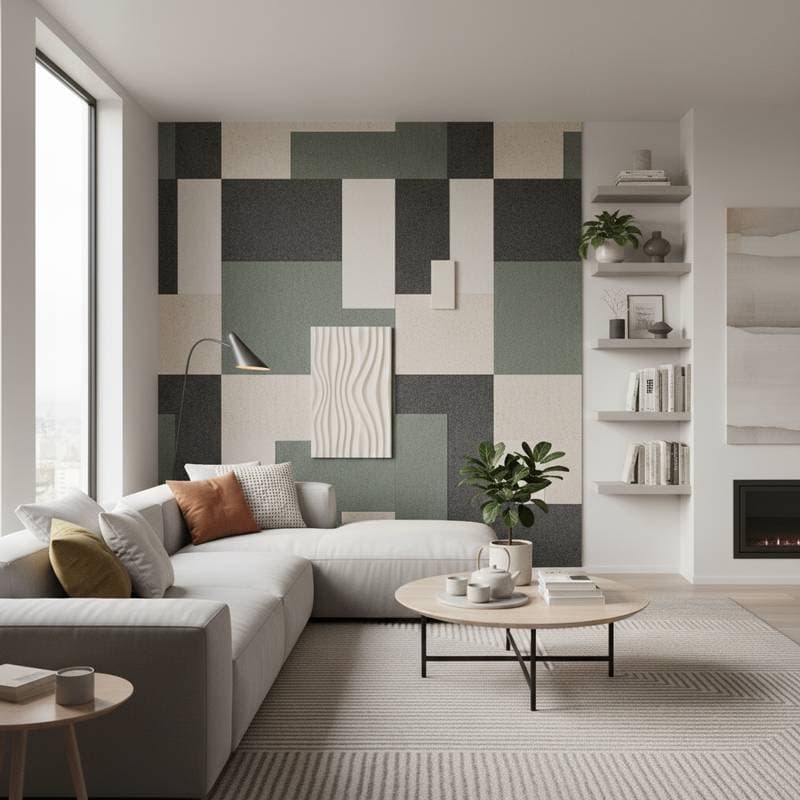
Effective sound control does not require sacrificing design integrity. These wallpapers come in a spectrum of subdued shades, bold motifs, or imitations of textures like woven fabric or polished stone. Match selections to your current palette and furnishings for unified appeal. In this way, superior audio qualities support and elevate the room's visual narrative.
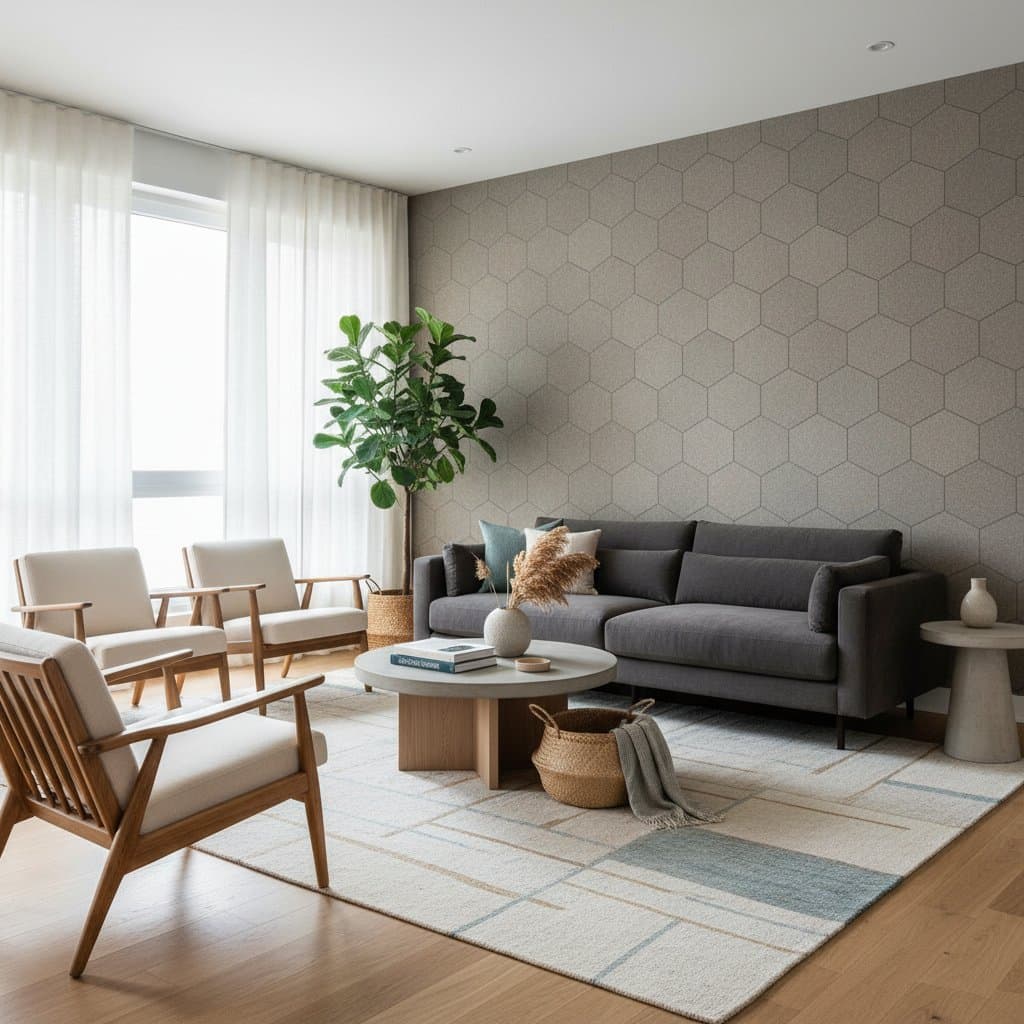
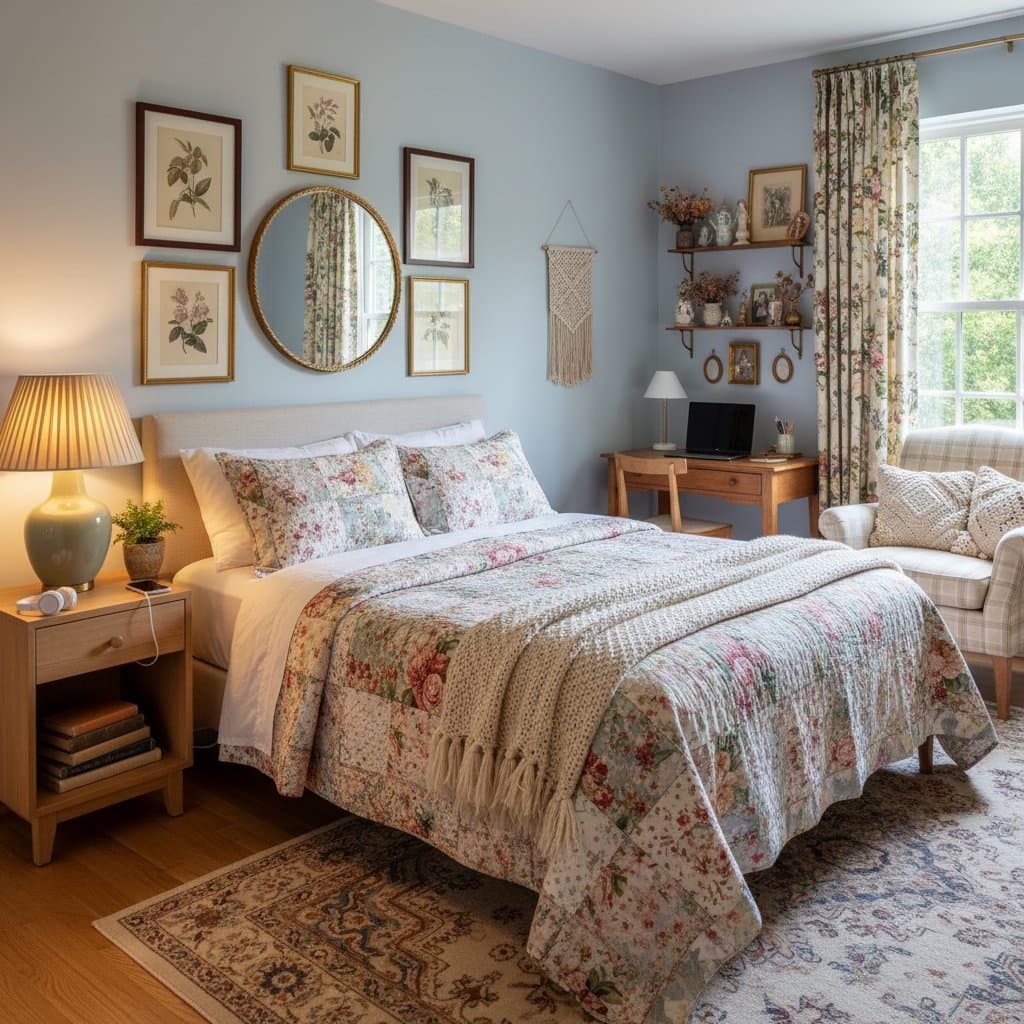
For a modern look, select geometric patterns in grayscale tones that subtly mask minor imperfections. Traditional spaces benefit from floral designs on cork bases, blending heritage charm with modern utility.
Applying Tranquility Across the Home
Success in the living room often encourages expansion to other areas. Use soundproof wallpaper in dedicated workspaces to sharpen productivity by minimizing distractions. In sleeping quarters, it aids deeper rest by softening nighttime sounds from hallways or streets. The process demands only standard tools like a utility knife, level, and smoothing tool, with instructions that guide even novices.
Each application yields profound psychological benefits, from reduced stress to heightened satisfaction in personal spaces. By prioritizing auditory wellness, homeowners craft residences where every room contributes to a unified sense of peace. This deliberate enhancement turns ordinary environments into intentional retreats, aligning beauty with functional calm.