Acoustic Art Panels
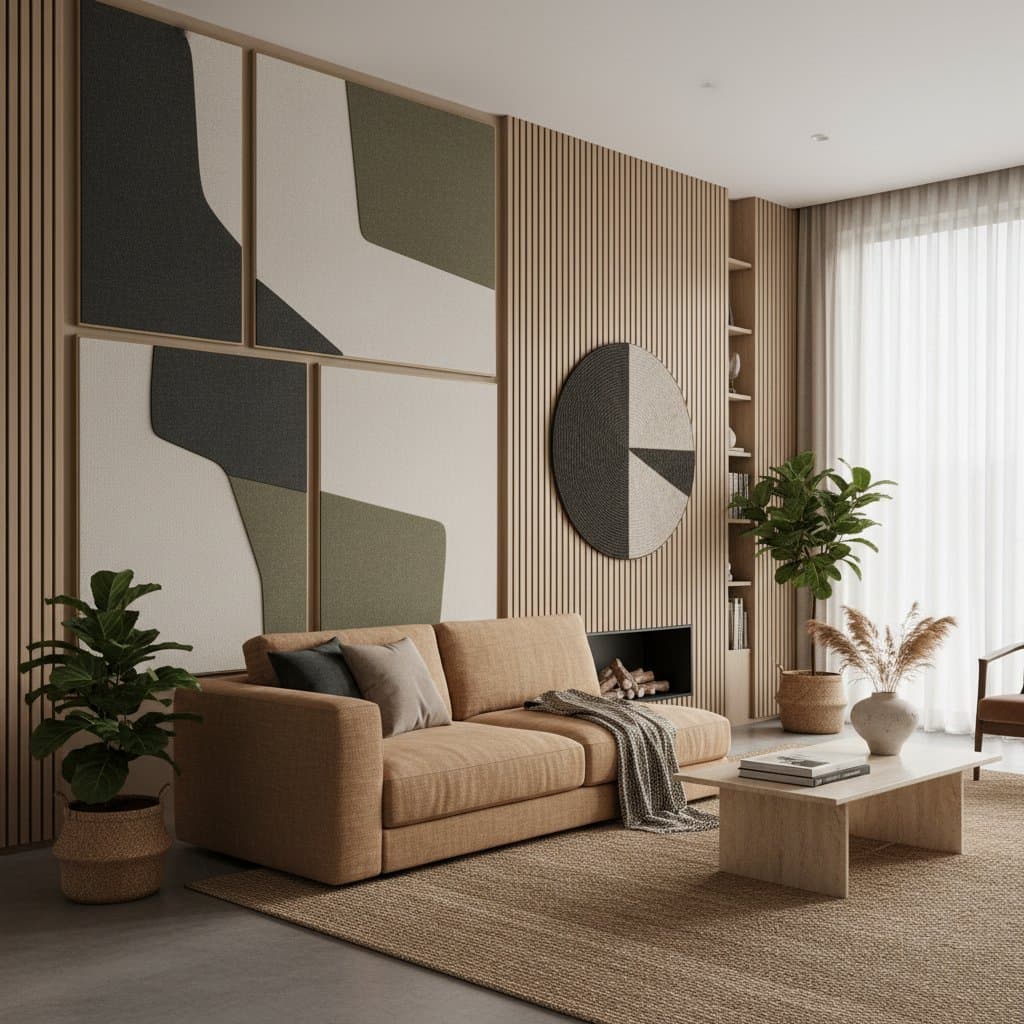
Acoustic art panels conceal their functional role behind custom visuals. Sound-absorbing cores support printed artwork, photographs, or abstract designs. Users can upload personal images to create bespoke installations that align with individual tastes.
These panels maintain acoustic improvements without altering the room's visual appeal. Visitors perceive them as decorative elements rather than sound treatments.
They suit renters or those seeking non-permanent solutions. Installation mirrors that of standard canvases, allowing easy relocation during moves.
Corner Bass Traps
Low-frequency sounds pose challenges by accumulating in room corners, resulting in boomy or uneven audio. Bass traps employ thicker, denser materials to target these bass tones effectively.
Such traps promote balanced sound distribution, ensuring music and speech reproduce naturally without muffling or excessive weight.
For integration, encase traps in fabric matching existing panels or select complementary hues to transform them into sculptural features that enhance the decor.
Planning Your Acoustic Layout
Assess the room's acoustics before purchasing panels. Clap sharply or play a brief audio clip to identify areas where sound reverberates or persists. Target those locations for maximum impact.
Identify Reflection Points
Reflection points include walls opposite primary sound sources. For television viewing, focus on the wall behind the screen. In conversation zones, prioritize surrounding walls.
Position panels at ear level in these areas. Typically, two to four panels suffice to achieve noticeable enhancements.
Achieve Room Balance
Sound waves propagate omnidirectionally, necessitating even distribution of treatments. Uneven application, such as treating one wall while leaving another bare, creates acoustic imbalances.
Distribute panels symmetrically across surfaces to maintain a uniform sound field.
Address Ceilings and Corners
Elevated ceilings and exposed corners amplify echoes. Install ceiling-mounted panels or corner absorbers to enhance overall clarity.
These additions target vertical and angular reflections that standard wall panels overlook.
Test and Refine Placement
Perfection requires iteration. Begin with minimal panels, evaluate auditory changes, and expand as necessary. Opt for products with removable adhesives or magnetic attachments to facilitate adjustments.
Regular testing ensures the layout evolves with the room's use.
Integrating Panels with Decor
Effective acoustic treatments integrate seamlessly into the room's design narrative. Panels should enhance rather than disrupt the established aesthetic.
Coordinate Colors
Align panels with the room's color scheme using neutrals for subtlety. Light walls pair well with soft grays or creams, while darker tones complement charcoals or navies.
For visual interest, introduce bolder accents. Sequences of subdued blues or greens add texture and depth to monotonous walls.
Vary Shapes and Arrangements
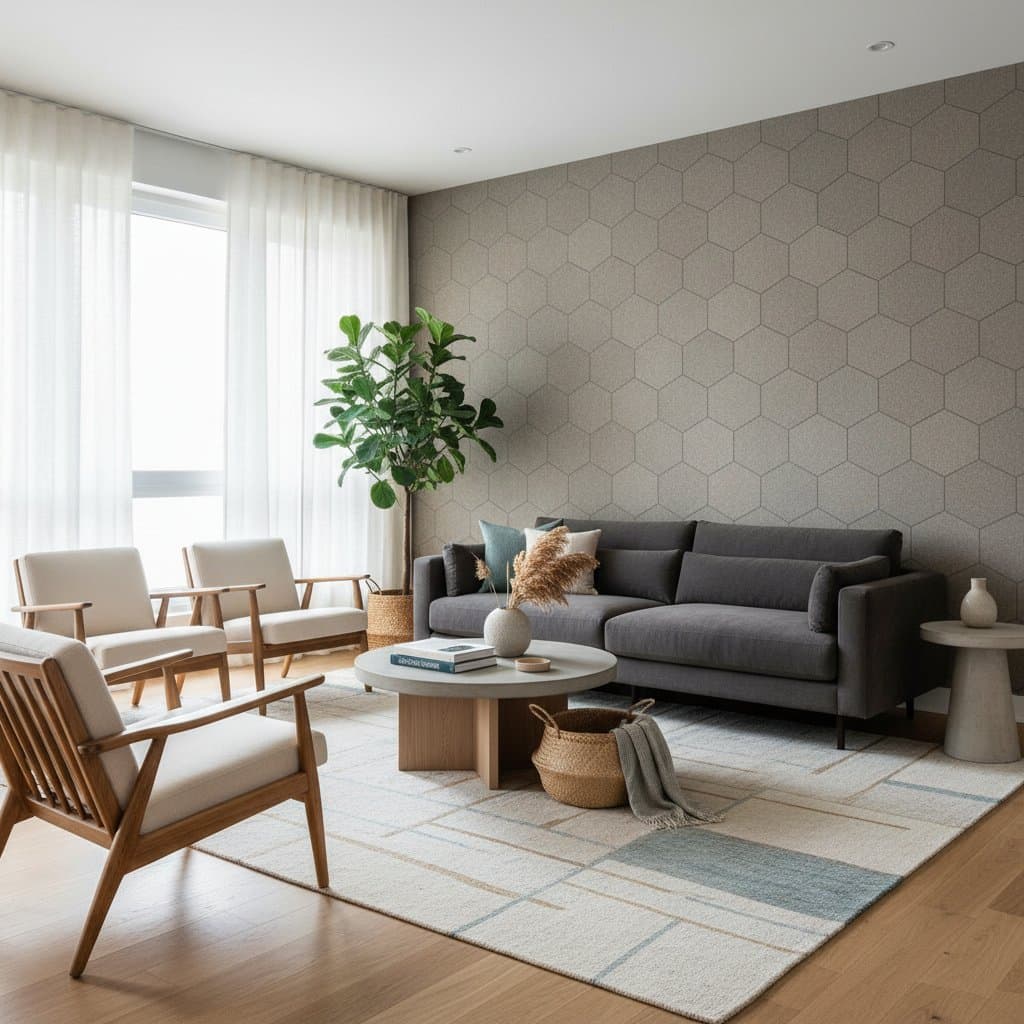
Explore beyond square formats with rectangles, circles, or hexagons to form dynamic patterns. Arrange them as tiled compositions that serve dual purposes: art and absorption.
In minimalist settings, opt for grid alignments or horizontal bands. This structured repetition conveys serenity and order.
Blend Materials
Incorporate diverse textures for richness. Fabric panels alongside wood slats or canvas art create layered effects. Such combinations optimize absorption across frequency ranges while preventing visual monotony.
Experiencing Balanced Acoustics
A well-tuned space offers controlled yet organic soundscapes. The goal extends beyond quietude to equilibrium, where musical notes emerge distinctly and spoken words carry without distortion.
Sound profoundly influences well-being, often overlooked. An aesthetically ideal room marred by harsh reverberations induces fatigue. Proper acoustics foster relaxation through subtle environmental harmony.
Acoustic panels contribute to this polish, elevating the home's sensory completeness in imperceptible yet profound ways.
Debunking Acoustic Panel Myths
Panels Resemble Office Fixtures.
Contemporary options mimic woven fabrics, sculpted woods, or fine art. Select designs that harmonize with furnishings, spanning modern to classic motifs.
They Suit Only Dedicated Listening Areas.
Acoustic control benefits any interactive space. Daily activities, from discussions to appliance hums and utensil sounds, improve with reduced reflections.
Installation Demands High Costs.
Options range affordably; initiate with targeted pieces or complementary curtains for tangible results minus significant expense.
Furniture Alone Suffices for Sound Control.
Upholstered items and rugs absorb partially, yet fail against specific frequencies. Panels address precise issues beyond furnishings' capabilities.
Maintaining Your Acoustic Setup
Post-installation, observe shifts in room dynamics. Films deliver immersive audio, dialogues flow naturally, and ambient noises soften.
This tranquility extends dwell time, enriching activities within the space.
Retain adaptability by revisiting acoustics after rearrangements. Relocate or reupholster panels to accommodate evolving layouts and preferences.