Self-Cleaning Countertops Enhance Kitchen Sanitation
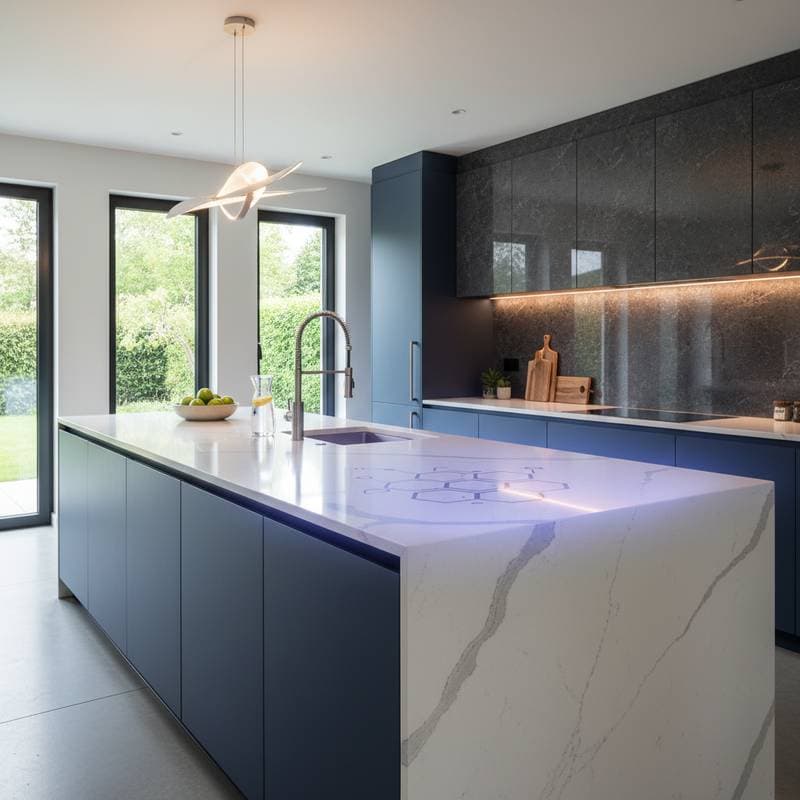
Picture entering your kitchen following a lively dinner preparation. The counters shine under the light, free of residue, without any manual effort on your part. This scenario represents the practical innovation self-cleaning countertops introduce to contemporary households. They deliver both ease and improved cleanliness, fostering a secure space for meal preparation.
The Role of Advanced Surfaces in Kitchen Environments
Kitchens serve as central gathering spots, yet they harbor conditions ripe for bacterial growth. Food residues, frequent contact, and moisture create ideal breeding grounds on standard countertop surfaces. Routine cleaning often misses hidden areas, allowing contaminants to persist. Self-cleaning countertops address this challenge through integrated antimicrobial features that target bacteria and buildup proactively.
These surfaces reduce reliance on aggressive cleaners and labor-intensive methods. The result is a space that promotes family health with minimal intervention. Homeowners gain confidence knowing their kitchen maintains higher standards of cleanliness automatically.
Mechanisms Behind Self-Cleaning Functionality
These countertops incorporate sophisticated materials that harness environmental elements for ongoing sanitation. Photocatalytic coatings, for instance, activate under light exposure to degrade organic substances into harmless byproducts. Alternative designs embed ions of copper, silver, or titanium dioxide within the material structure. Such agents penetrate bacterial membranes, preventing reproduction and maintaining surface integrity.
Homeowners encounter two primary categories of this technology:
- Light-Activated Photocatalytic Systems: Exposure to ultraviolet or visible light initiates a chemical process that breaks down stains and microbes. These perform best in well-lit settings, whether from sunlight or fixtures.
- Permanently Integrated Antimicrobials: Nanoparticles or metal ions dispersed throughout the slab provide round-the-clock protection, independent of lighting conditions.
Selecting Materials Aligned with Kitchen Needs
A range of materials accommodates diverse styles and budgets, ensuring hygiene aligns with personal preferences.
- Engineered Quartz: This nonporous option resists stains and scratches while offering extensive color choices. Leading manufacturers integrate antimicrobial compounds during production for inherent bacterial resistance.
- Sealed Natural Granite: Apply specialized coatings to granite slabs to enhance water repellency and simplify spill removal. These treatments create a barrier against absorption without altering the stone's unique veining.
- Solid Surface Composites: Customizable and repairable, these incorporate antimicrobial elements for a uniform, joint-free installation that eases daily care.
- Treated Ceramic or Porcelain: Durable against heat and impacts, these slabs feature glazes that resist oil adhesion and discoloration over time.
Evaluate factors such as kitchen illumination, daily usage patterns, and desired aesthetics during selection. Families with heavy cooking demands benefit from quartz's robustness, whereas those prioritizing organic textures may opt for coated granite.
Key Factors for Installation and Investment
Assess the financial and logistical aspects prior to committing. These enhanced countertops carry a premium of 10 to 20 percent over basic versions, offset by reduced purchases of cleaning supplies and preserved free time. Consult a qualified installer to review samples and estimate total costs based on square footage.
Quartz with built-in antimicrobials typically ranges from $60 to $100 per square foot installed. Stone sealants prove more economical at $40 to $70 per square foot, though periodic refreshers every three to five years extend their efficacy. Verify compliance with regional codes, particularly for food-contact surfaces, and engage licensed experts for application to guarantee adhesion and performance.
Integrate countertop work into broader remodels involving cabinets or fixtures to streamline timelines. Preparation involves precise measurements, with fabrication and on-site fitting usually spanning one to three days.
Maintenance Strategies for Optimal Performance
Self-cleaning properties do not eliminate all care requirements. Wipe surfaces daily with a soft cloth and neutral detergent to remove visible debris. Steer clear of harsh abrasives or acidic solutions that might compromise protective layers.
The embedded technologies operate passively, yet regular light dusting reinforces their effectiveness. Establish habits like immediate spill management to maximize longevity. This balanced approach ensures the surface retains its protective qualities for years.
Integrating Advanced Hygiene into Your Home
Self-cleaning countertops adapt to various kitchen visions, from airy, light-filled designs to compact, efficient layouts. They provide understated protection that prioritizes wellness alongside functionality. Focus shifts from tedious chores to creative cooking and shared moments.
Consider connecting with local specialists through reliable platforms to explore tailored options. These professionals assess your space, recommend climate-appropriate materials, and oversee installation. Elevate your kitchen to a domain that safeguards health while inspiring daily use.