Scented Fabrics Turn Bedrooms into Wellness Retreats
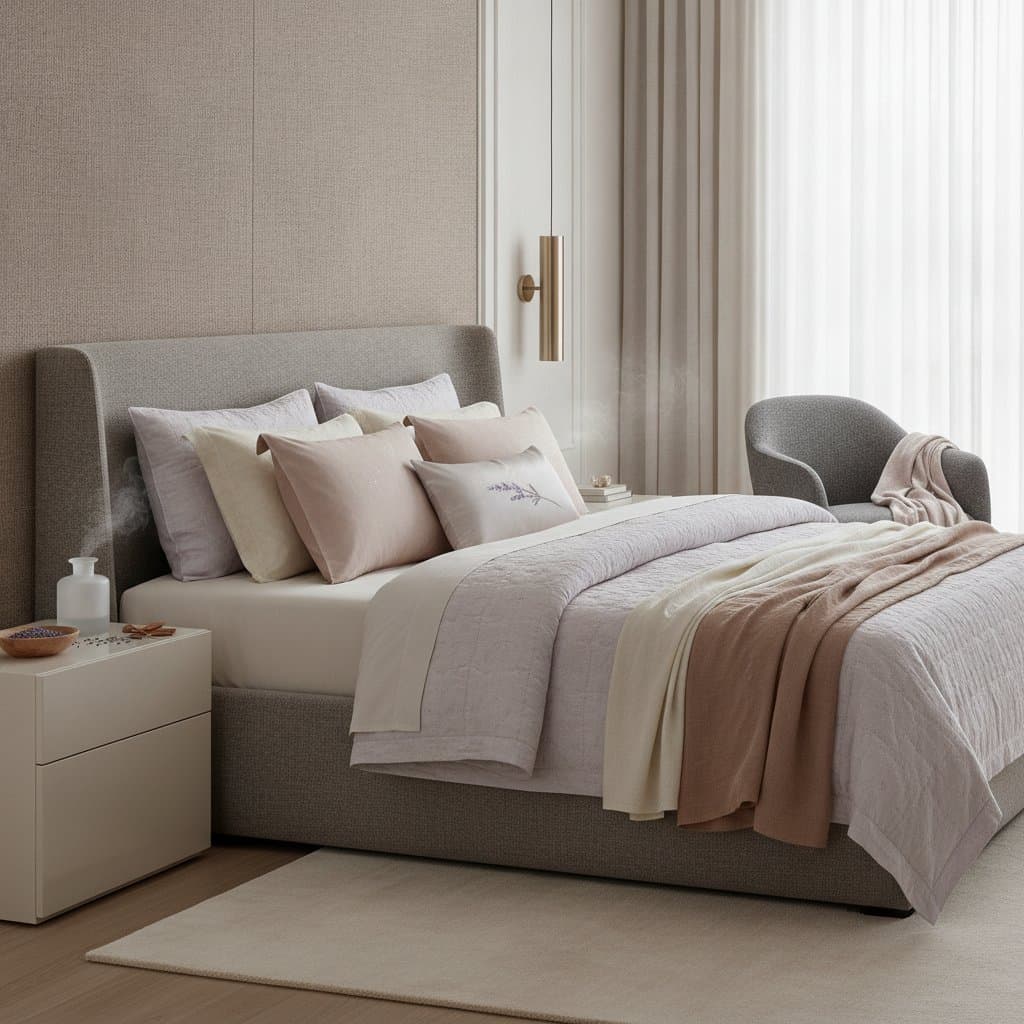
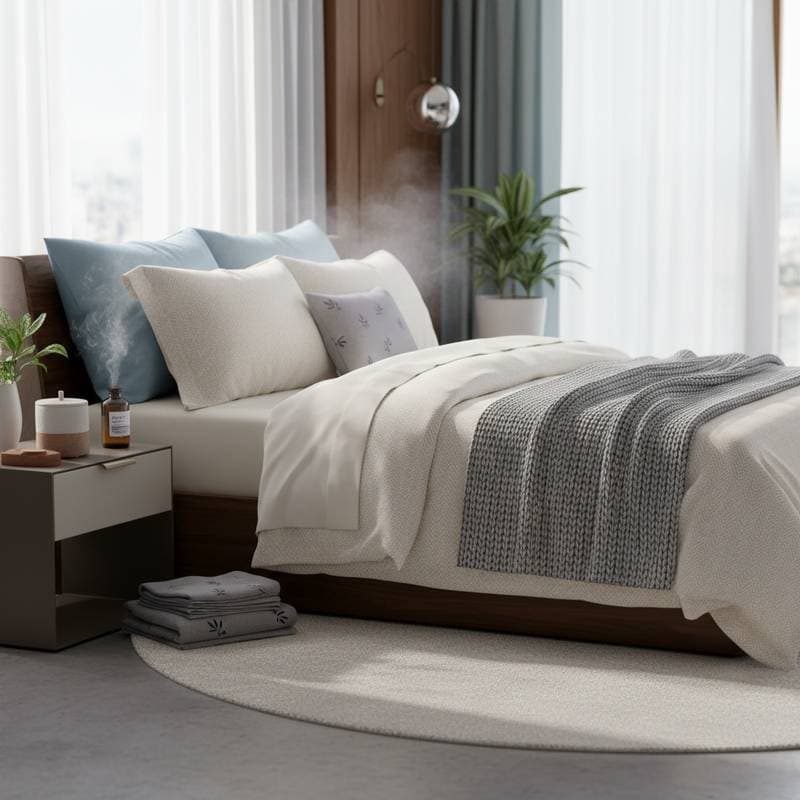
Picture entering your bedroom at the end of a demanding day, enveloped by linens infused with the subtle aroma of lavender or eucalyptus. The atmosphere feels purified, the surfaces beckon for repose, and tension releases from your body in an instant. This represents the understated power of scented fabrics, which elevate ordinary bedrooms into dedicated spaces for personal renewal.
The Everyday Need for Restful Spaces
Many individuals seek improved sleep, tranquil evenings, or a private area dedicated to recovery. In typical households, bedrooms often serve as catch-all spaces for clothing or electronic devices instead of zones for rejuvenation. Conventional air fresheners deliver intense bursts that fade quickly, while candles demand ongoing attention. Scented textiles provide a secure, organic alternative that disperses fragrance evenly, stimulates the senses, and maintains an ongoing sense of ease.
Why Scented Fabrics Appeal to the Modern Home
These materials integrate seamlessly into daily routines without additional effort. The fragrance resides within the fabric structure, emerging gradually through movement and air circulation. Options range from fresh cotton sheets with chamomile undertones to thick curtains with cedarwood hints, extending wellness benefits past visual appeal to tangible sensory support for mental and physical health.
Advanced textile methods pair aromatherapy with durable fibers. Essential oils undergo microencapsulation, embedding them securely so aromas disperse in measured amounts over time. Interaction with the fabric, such as brushing against it or turning in sleep, triggers fresh releases. This approach ensures scents remain even and persistent without dominating the environment.
Selecting Scents That Support Wellness
Select fragrances based on specific wellness objectives, as various essential oils affect mood and vitality differently. Consider these choices and their advantages:
- Lavender: Promotes relaxation and sleep quality, suitable for bedding and pillowcases.
- Eucalyptus: Clears airways and invigorates, ideal for curtains or throw pillows.
- Chamomile: Eases stress and calms thoughts, effective on duvet covers or blankets.
- Cedarwood: Anchors emotions and provides stability, appropriate for upholstery or dense textiles.
- Rose or Jasmine: Introduces uplifting romance, fitting for accent pillows or window treatments.
- Lemongrass: Boosts energy and cleanses, useful in areas for morning routines or visitors.
Limit combinations to two harmonious scents for optimal balance. For example, lavender paired with cedarwood merges gentle calm with earthy depth.
Ways to Introduce Scented Fabrics into Your Bedroom
Incorporate these elements gradually to assess performance in your specific conditions, such as humidity or temperature. Focus on these practical applications:
- Bedding: Prioritize sheets and pillowcases for direct skin contact. Opt for hypoallergenic treatments if allergies are a concern.
- Curtains: Install scented panels to distribute aroma via natural drafts throughout the space.
- Throw Blankets and Cushions: Use these for targeted fragrance release and added visual interest.
- Upholstered Headboards or Benches: Select mild infusions for steady, unobtrusive scent layers.
- Closet Liners: Place scented sachets with stored linens to maintain freshness between uses.
Caring for Scented Textiles
Maintain aroma and fabric integrity with mild, unscented detergents. Skip high-heat dryers, which degrade the oil-containing capsules; air drying preserves longevity. Periodically revive items using a diluted essential oil mist applied lightly from a distance.
Considering Cost, Longevity, and Safety
Prices vary by base material and infusion method, with natural cotton or linen treatments offering entry-level affordability and silk or bamboo blends commanding higher investments. Evaluate duration claims, as superior products withstand multiple wash cycles before replenishment. Prioritize options with natural, verified microencapsulation over chemical alternatives for health assurance.
Safety remains paramount; individuals with respiratory issues or scent sensitivities should seek advice from textile experts or aromatherapists for gentle formulations. Ensure adequate room ventilation to allow natural aromas to flow without buildup.
Creating a Localized Approach
Local weather influences scent retention significantly. Lighter profiles like citrus or lavender perform well in moist climates, whereas richer tones such as vanilla or sandalwood endure in arid or cold settings. Experiment with samples to match your area's conditions. Regional stores increasingly stock textiles infused with nearby-sourced oils, supporting community economies while aligning scents with environmental nuances.
Integrating Scented Fabrics into a Broader Wellness Design
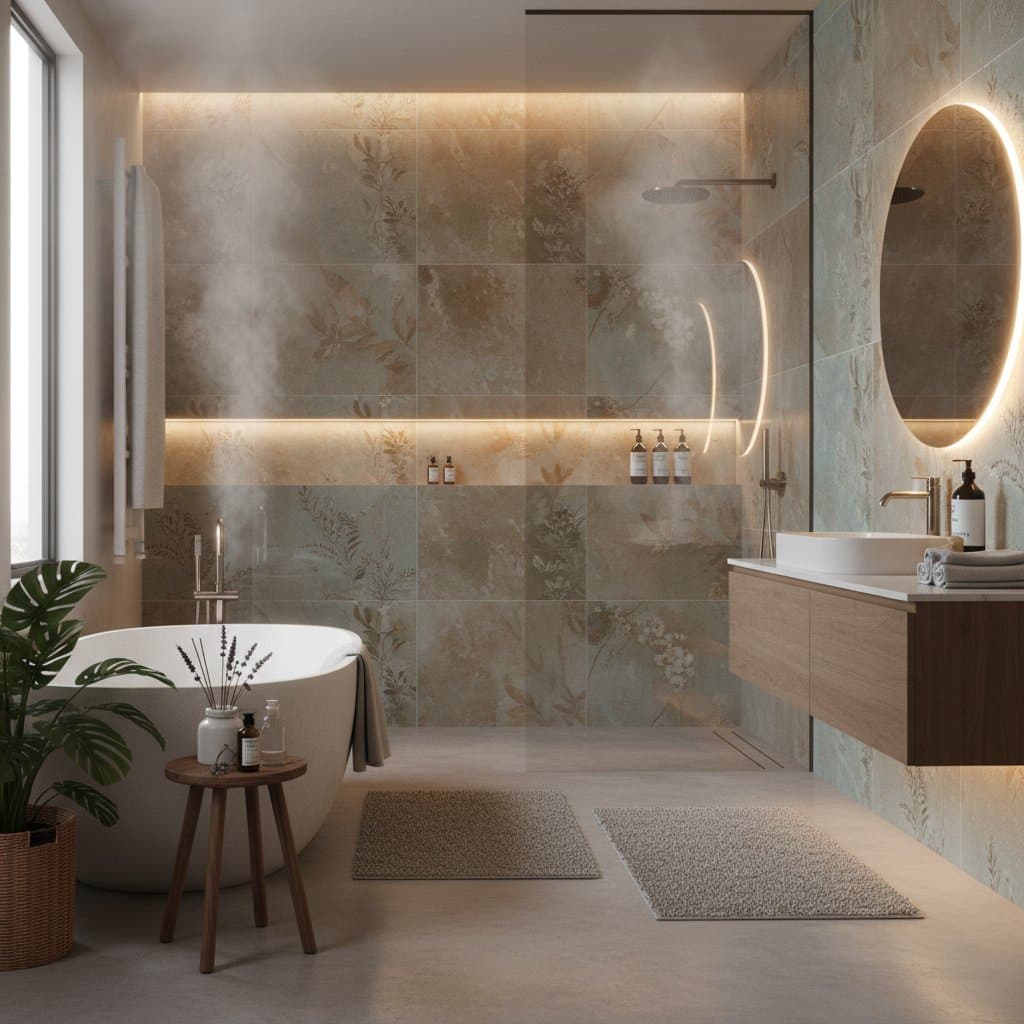
Enhance these fabrics by aligning with complementary elements like dimmable lighting, woven rugs, and sound-absorbing surfaces for a multisensory haven. Match hues to scents: pastel greens and blues amplify soothing effects, while neutral earth tones pair with herbal or woodsy varieties. This unified approach yields a cohesive room that bolsters overall health.
For comprehensive updates, engage an interior specialist via a matching platform at no initial cost. Experts can advise on climate-suited treatments, outline maintenance, and link to reliable vendors within your budget.
Building Lasting Bedroom Renewal
Elevate your bedroom to a space that sustains all senses through scented fabrics. Wellness integrates naturally into routines, yielding refreshed rest each evening and balanced awakenings each morning. Select from floral subtleties or woody depths to initiate this shift toward deeper breathing, superior recovery, and a redefined personal refuge.