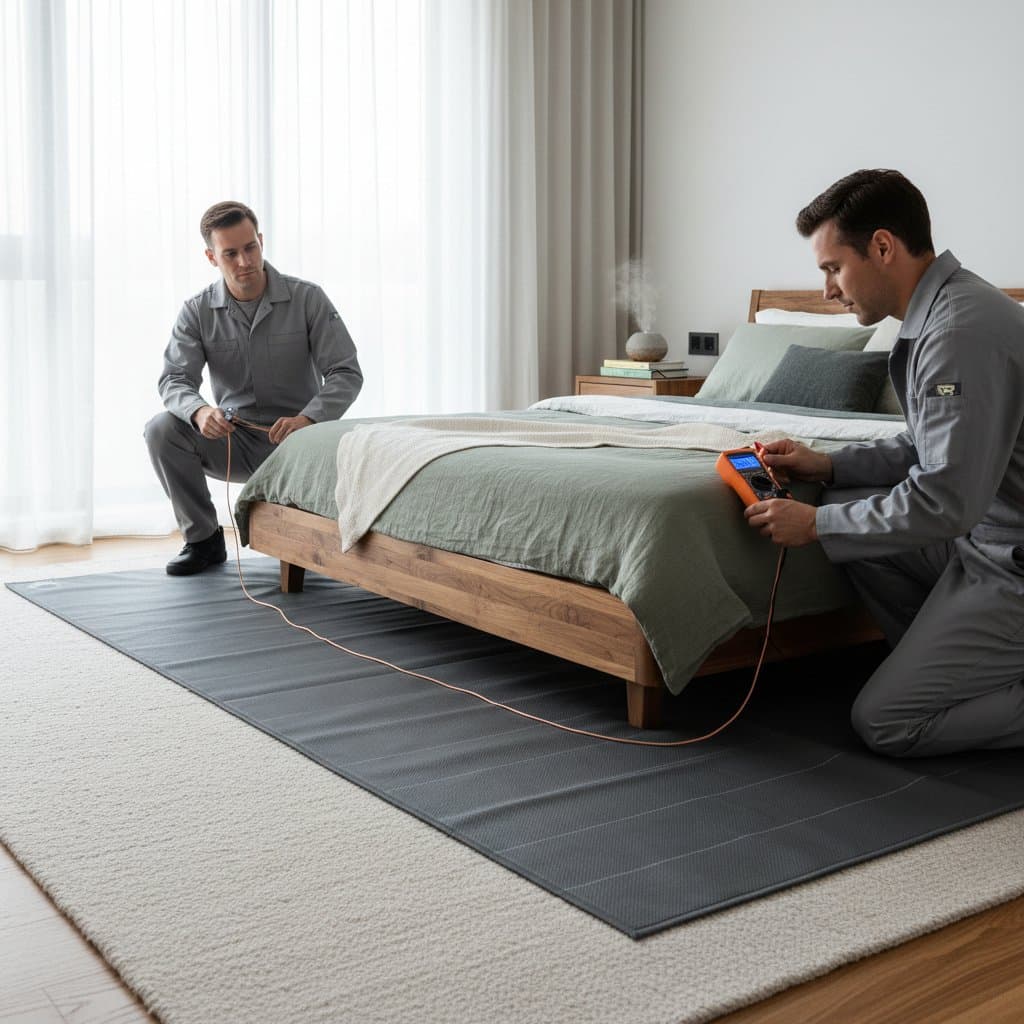
Grounding Mats: Enhance Bedroom Wellness Through Natural Connection
People spend about one-third of their lives asleep, using that time to restore physical and mental vitality. Bedrooms serve as essential havens for this renewal, yet common elements like electronic devices, synthetic fabrics, and artificial lighting often disrupt the innate equilibrium the body seeks. Grounding mats provide a straightforward method to restore this connection by linking the body to the earth's electrical field, which may calm the nervous system, improve sleep depth, and cultivate a serene atmosphere.
This article details the principles behind grounding mats, practical integration into bedroom routines, and strategies to incorporate them for sustained health benefits.
Preparing a Grounded Bedroom Environment
Establishing a conducive bedroom starts with deliberate assessment. Evaluate the current state of your space: Does clutter dominate the surfaces? Is the lighting harsh or the air stagnant? Such observations reveal opportunities to introduce elements that promote tranquility.
Follow these steps to ready your bedroom for a grounding mat:
- Remove unnecessary items from nightstands and dressers to create visual openness, which eases mental tension.
- Select bedding from natural materials such as organic cotton or linen, which allow better airflow and align with grounding principles.
- Install dimmable lamps with warm bulbs to signal the body to produce melatonin and reduce cortisol levels.
- Relocate electronics to another room or use airplane mode to minimize electromagnetic interference during sleep.
- Incorporate essential oils like lavender diffused via a simple mister to evoke relaxation without overwhelming the senses.
With these adjustments, the grounding mat integrates seamlessly, amplifying the room's restorative potential.
The Unique Advantages for Sleep in Bedrooms
Although grounding mats suit various settings, bedrooms maximize their impact because sleep represents the body's primary repair phase. During rest, natural grounding facilitates electron transfer from the earth, potentially neutralizing free radicals and lowering inflammation markers.
Individuals frequently describe tangible improvements: quicker sleep onset, fewer nighttime awakenings, and heightened morning alertness. These shifts often extend to better emotional regulation and concentration throughout the day. Emerging studies support these anecdotes, indicating reduced pain and enhanced autonomic function, though individual results depend on consistent use. The sensation aligns with the subtle grounding experienced from barefoot contact with soil or sand.
Addressing Key Concerns with Practical Advice
Do Grounding Mats Deliver Noticeable Results?
These mats mimic the conductive path between the human body and the earth's surface, typically via a household outlet or external rod. Users often report enhanced relaxation within days, though effects build gradually. Approach the practice mindfully: Track sleep patterns in a journal for two weeks to gauge personal benefits.
Handling Ungrounded Outlets
In homes with outdated electrical systems, standard outlets may lack proper grounding. Install an outdoor grounding rod by driving a copper stake into moist soil and connecting it to the mat with insulated wire. Consult an electrician to verify safety and compliance with local codes.
Compatibility with Bedding and Attire
For optimal conductivity, position the mat against bare skin, such as under your feet or torso. If direct contact proves uncomfortable, a single layer of cotton sheeting suffices for partial benefits. Experiment during evening wind-down activities to find the most comfortable arrangement.
Expected Sensations During Use
The process involves no tingling or shocks; instead, many experience a mild warmth or profound stillness, akin to the relief after a nature walk. Subtlety defines the effect, rewarding patience as the body adjusts over several nights.
Overnight Safety Considerations
Grounding mats operate passively through the ground prong, drawing no current and posing no electrocution risk. Inspect cords regularly for frays, secure connections away from pathways, and unplug during storms. Adhere to product guidelines, which often include surge protection features.
Designing a Bedroom Aligned with Grounding Principles
Select a grounding mat in earth-toned hues, such as muted beige or slate, to harmonize with minimalist decor. Position it centrally under the mattress or atop for easy access, ensuring it remains unobtrusive.
Build upon this foundation with complementary features:
- Opt for flooring like reclaimed wood or jute rugs, which provide tactile warmth and echo natural textures.
- Choose undyed, breathable linens for sheets and pillowcases to avoid chemical residues that could interfere with conductivity.
- Introduce low-maintenance plants, such as snake plants, to purify air and visually reinforce earthly ties.
- Incorporate matte finishes on furniture to prevent reflective glare that heightens alertness.
- Add ambient sound elements, like a tabletop fountain, to mask external noise and promote rhythmic breathing.
These choices create a cohesive sanctuary that sustains grounding's calming influence.
Implementing Grounding for Everyday Balance
Adopting a grounding mat encourages a fundamental return to elemental harmony, proving that profound well-being arises from accessible practices. Dedicate evenings to brief sessions of direct contact, perhaps while reading, to build familiarity. Over time, this ritual not only refines sleep but also instills a grounded presence that enhances daily resilience and clarity.