Unlock Wellness with Grounding Floors in Your Home
Imagine stepping barefoot onto a smooth floor after a long day. This simple act delivers more than physical relief; it establishes a quiet link to the earth's stabilizing forces. Grounding floors extend this connection inside your home by channeling the planet's natural electrical energy through conductive materials. The process, known as earthing, balances your body's bioelectrical state, which in turn lowers inflammation, sharpens focus, and deepens relaxation.
These floors bring earthing benefits into everyday settings, from cooking in the kitchen to reading in the living room. For those designing homes that prioritize recovery and vitality, grounding surfaces offer a practical advancement in health-focused interiors.
Understanding Grounding Floors
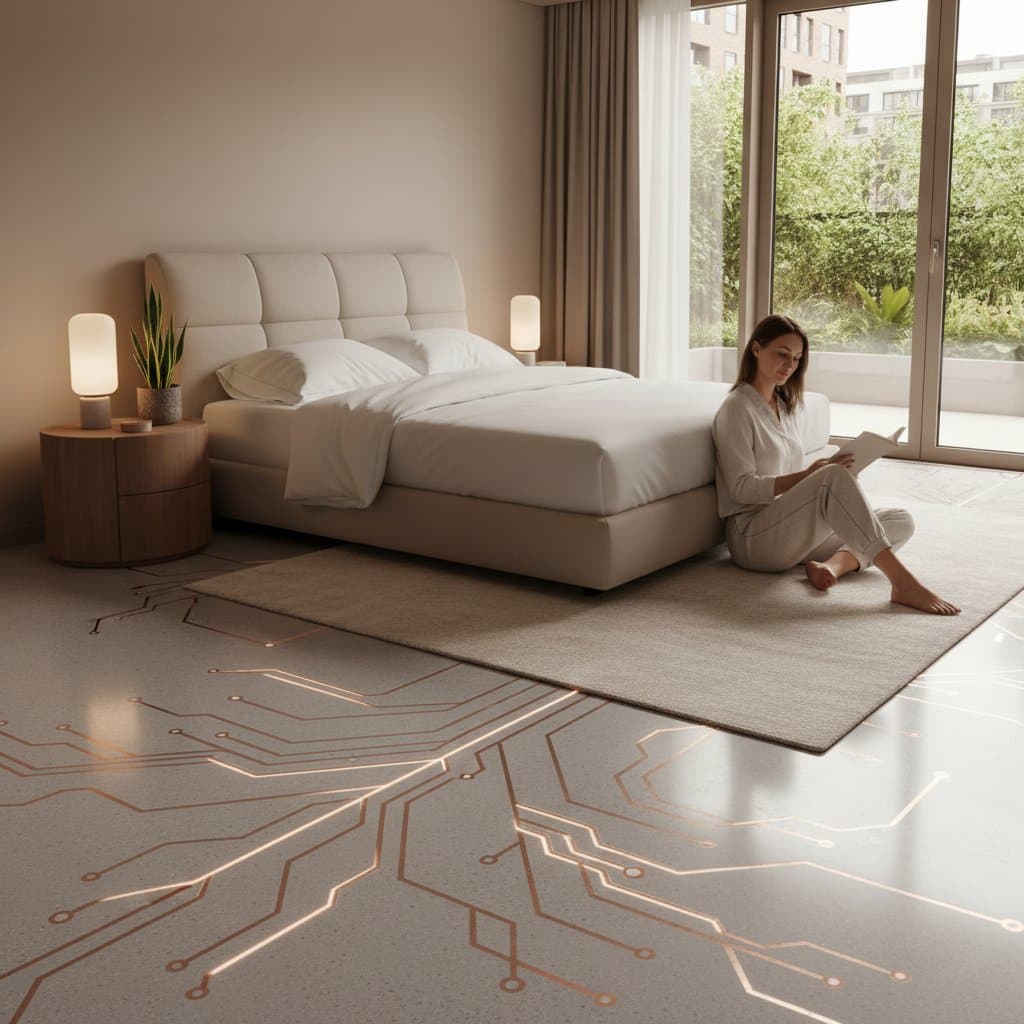
Grounding floors embed conductive materials, like carbon threads or metallic grids, that channel electrons from the earth into your living areas. Installers connect these elements to a dedicated ground rod outside or to your home's electrical grounding system. Once set up, the floors function silently, with no exposed wires or devices to interrupt daily life.
Common options include:
- Carbon-laced vinyl sheets that mimic hardwood or tile patterns while conducting energy effectively.
- Thin grounding sheets placed under ceramic tiles, engineered wood, or carpet, connected through a standard outlet ground.
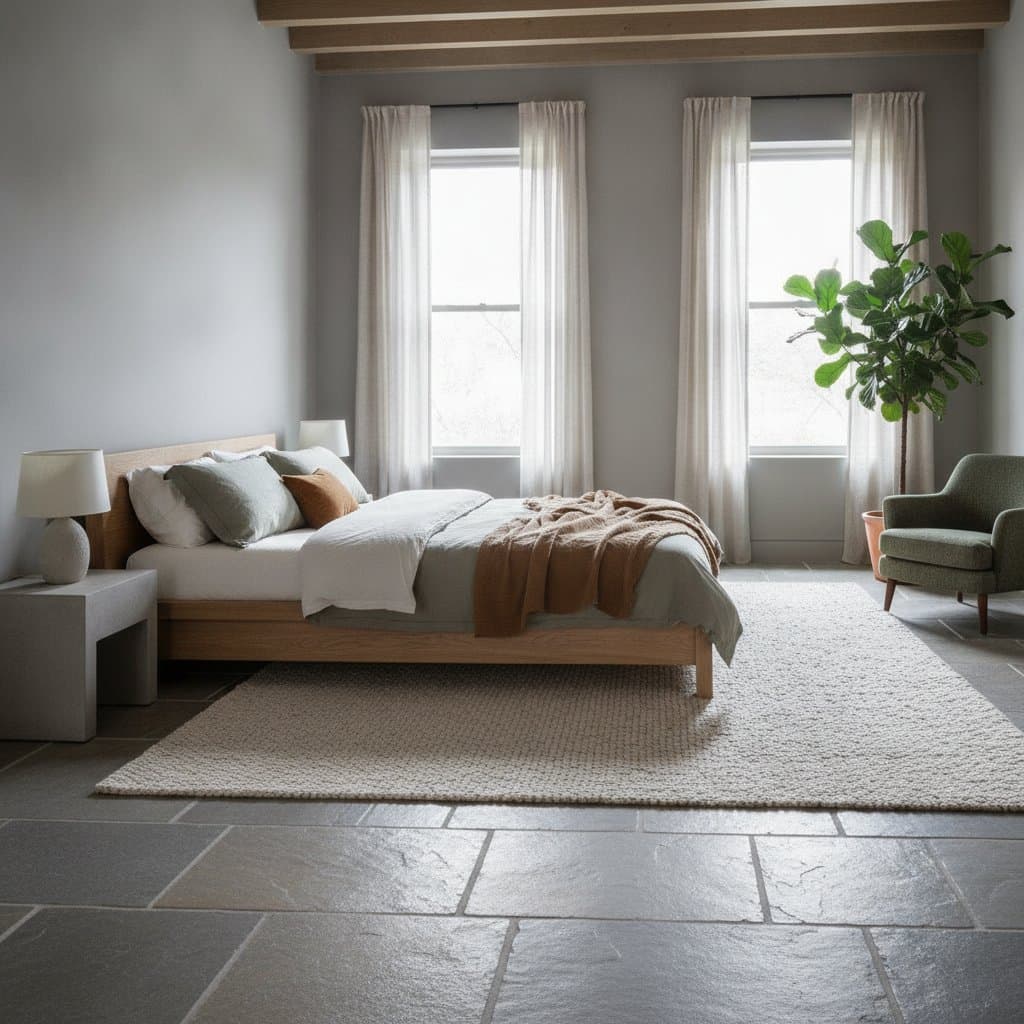
- Polished granite or slate slabs treated with conductive sealants to retain natural conductivity.
The goal is to create surfaces that feel and look ordinary but deliver the same restorative effects as walking on damp earth or beach sand. Always choose products tested for electrical safety and verified conductivity levels to guarantee consistent results.
Integrating Style and Functionality
Effective wellness features blend seamlessly with your home's design, avoiding any clash with existing decor. Grounding floors hide their technical aspects behind familiar finishes, from rustic oak simulations to modern polished looks. This versatility allows installation in any room without sacrificing visual appeal.
Consider these practical examples:
- Oak-textured vinyl planks in living areas, paired with earth-toned walls for a calming, nature-inspired vibe.
- Textured stone tiles in kitchens or hallways, adding durability and a sense of serene stability.
- Bamboo-style laminates over conductive underlays in home offices, supporting productivity with underlying health support.
Start with high-relaxation zones like bedrooms or meditation spaces, where bare feet contact the floor most often. As you experience the changes, expand to busier areas like family rooms, adjusting based on how the energy flow influences your routine.
Enhancing Grounding with Complementary Elements
Grounding floors perform best within a broader strategy for indoor well-being. Treat them as the base of a layered system that nurtures both body and mind. Pair them thoughtfully with other elements to amplify their effects.
Incorporate these supportive features:
- Large windows or skylights to flood rooms with sunlight, aligning your internal clock with natural daylight cycles.
- HEPA-filtered air purifiers positioned away from grounding areas to keep air quality high and support respiratory health.
- Zones free of electronics, such as device-free nooks near grounded floors, to reduce electromagnetic interference.
- Natural fiber accents like linen curtains or jute mats that complement the tactile benefits of direct floor contact.
Introduce one or two additions at a time, perhaps starting with lighting adjustments in the bedroom. Track how these combinations shift your energy levels, allowing gradual refinement for optimal harmony.
Key Factors for Successful Installation
Grounding floors require careful planning to integrate reliably into your home. Engage certified installers who specialize in electrical and flooring systems for personalized guidance. Prepare by asking targeted questions to align the setup with your needs.
Essential considerations include:
- Connection method: Ensure the floor links directly to a verified earth ground, using insulated cables to prevent hazards.
- Subfloor preparation: Require a flat, dry foundation, often with moisture barriers in damp locations like basements.
- Lifestyle fit: Choose full-room coverage for active households or modular mats for occasional use in guest areas.
- Durability guarantees: Demand at least a five-year warranty on conductive properties and material integrity.
Anticipate issues like high humidity by opting for sealed, waterproof variants. A site inspection confirms adherence to local electrical standards, safeguarding both performance and safety.
Sustaining Long-Term Vitality Through Grounding
With grounding floors in place, your home becomes an active partner in daily renewal. Residents frequently notice cooler, more even temperatures and a pervasive sense of calm in equipped rooms. These understated improvements build over weeks, enhancing sleep quality, emotional resilience, and overall vigor.
To deepen the impact, schedule short sessions of intentional contact, such as standing still for five minutes after meals. Keep a daily log of mood and energy shifts to identify patterns and integrate grounding with practices like deep breathing. In this way, your floors evolve from mere surfaces into vital allies for enduring health.