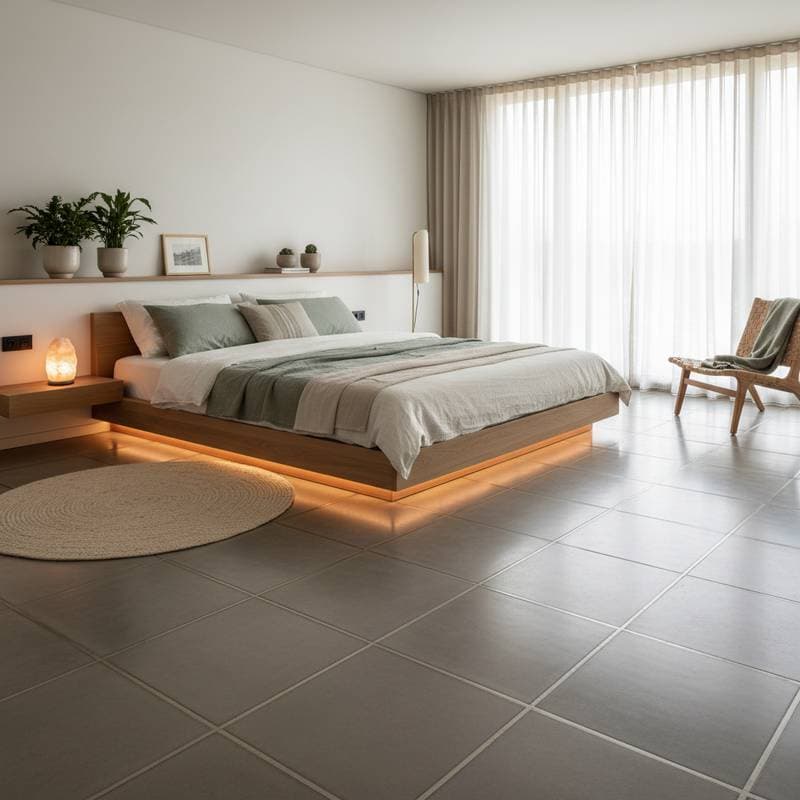
Grounding Floors: Earthing for Healthier Bedrooms
Imagine waking up refreshed, with a clear mind and calm body, as if you spent the night in a quiet meadow. For many homeowners, that sense of balance seems distant amid the constant hum of technology. A growing movement now brings natural calm indoors, starting right underfoot. Grounding floors, also known as earthing floors, turn bedrooms into restorative spaces where wellness begins from the ground up.
Understanding How Grounding Works
The concept of grounding stems from a basic principle in nature: the Earths surface holds a subtle electrical charge that stabilizes anything in contact with it. Walking barefoot outdoors connects your body to this energy, which reduces static buildup and promotes electrical balance. Grounding floors mimic this connection inside by incorporating conductive materials linked to the Earths surface, enabling your body to stay connected even indoors.
This practice restores a physical process humans experienced for thousands of years before insulated shoes and synthetic floors became common. Integrating grounding into bedroom flooring brings that natural equilibrium into daily life. Homeowners gain a tangible way to counter modern disruptions.
Why Bedrooms Benefit Most
The bedroom serves as a sanctuary for recovery, where the body resets, detoxifies, and recharges. Enhancing balance and restoration in one room makes the most sense here. Grounding floors aid this by regulating the bodys electrical state during sleep.
Individuals often report calmer feelings, deeper rest, and fewer nighttime interruptions in grounded spaces. Experiences differ, yet the approach appeals to those aiming to ease modern stresses. It combines contemporary flooring with an ancient tie to nature.
Grounding Flooring Options
Grounding floors appear in various styles and materials to match preferences and budgets. Some products focus solely on earthing, while others adapt with accessories or underlays. Consider these primary choices:
-
Conductive Vinyl or Rubber Flooring
Infused with carbon elements, these options conduct electricity gently to the ground. They offer durability, simple cleaning, and a sleek modern look ideal for bedrooms. -
Grounding Mats or Underlays
Flexible layers fit under existing floors or atop carpets, connecting via cords to grounding rods or outlets. Renters or those seeking non-permanent setups find this practical. -
Wood Floors with Grounding Foil
Pair natural wood with conductive foil underlays for a warm, organic feel that preserves grounding. This suits traditional or rustic bedroom designs. -
Stone or Tile with Grounding Adhesive
Stone and ceramic hold inherent conductivity; grounding adhesives or grouts complete the connection. These cool surfaces suit tile-common climates and provide literal grounding.
Step-by-Step: Installing a Grounding Floor System
Installing a grounding floor demands careful steps and sometimes professional help, but the process remains straightforward. Follow this outline to prepare your bedroom:
-
Evaluate Your Existing Floor
Assess if current flooring supports grounding additions. Floating floors or thick carpets might require modifications. -
Choose a Grounding Material
Select full replacement or underlay based on budget, style, and permanence needs. Measure the bed area to estimate coverage. -
Install the Grounding Layer
Built-in elements handle conductive vinyl or rubber. For underlays or foils, cover the full sleep zone evenly. -
Connect to Ground
Run a cord from the layer to an outdoor rod or grounded outlet. Consult an electrician to verify setup. -
Test for Conductivity
Employ a tester to confirm the connection. Professionals ensure accuracy and safety. -
Finish with Comfort Layers
Add rugs or mats that preserve conductivity while cushioning the surface.
Costs and Budget Planning
Prices for grounding floors vary by material and installation. Installed conductive vinyl or rubber runs five to twelve dollars per square foot. Wood with foil reaches fifteen dollars per square foot; mats or underlays begin at one dollar per square foot for self-installs.
Professional services cover labor, verification, and rod setup if needed. Underlays provide cost-effective results for many. In luxury projects, integrated floors boost both health and aesthetics.
Verify with installers that materials comply with local codes. Some areas mandate grounding checks for electrical ties.
Climate and Comfort Considerations
Local climate affects grounding floor performance and feel. Humid areas benefit from cool stone or tile systems that aid sleep temperature control. Cooler regions favor wood or rubber for warmth without conductivity loss.
Select breathable coverings to ensure skin contact. In dry, static-prone zones, these floors minimize shocks from synthetics. They foster a steadier indoor atmosphere over time.
Safety and Electrical Awareness
Grounding floors promote wellness when installed safely. Connections to outlets require confirmed grounding to avoid interference. Miswired setups could introduce risks.
Electricians use meters to validate. This proves crucial for barefoot use or sleep. Adhere to manufacturer guidelines for mats or foils; avoid altering cords or rods without expertise.
Integrating Grounding Floors into Bedroom Design
Grounding floors integrate discreetly without compromising style. Conductive options mimic neutral tones, wood grains, and stone patterns to fit any decor. They support minimalist, cozy, or coastal themes.
Apply these design tips:
- Pair with Natural Textiles: Opt for cotton, wool, or linen rugs that allow grounding contact.
- Complement with Low-EMF Lighting: Use shielded cords and low-frequency bulbs to limit interference.
- Balance with Earth Tones: Incorporate beiges, greens, and sand hues to amplify natural energy.
- Layer for Comfort: Place grounding pads bedside for contact during reading or relaxation.
Emotional and Physical Benefits You Can Feel
Sleepers on grounded floors often sense a subtle calm, as if daily buzz fades. The body relaxes, and the mind eases. Results vary by person, but grounding aligns with natural rest rhythms.
This extends beyond materials to create restorative environments. Bedrooms counter electronic noise, delivering peace from the floor upward.
Working with Local Professionals
Precision matters for grounding systems, so collaborate with skilled contractors or electricians. Experts in regional soil and codes select optimal methods. They incorporate grounding during renovations or new builds.
To find reliable help, use contractor-matching services. These platforms link you to vetted specialists in wellness flooring and safety. Review profiles, quotes, and select based on grounding knowledge and budget fit.
Steps to a Balanced Bedroom Sanctuary
Step barefoot onto a grounded floor after a demanding day, sensing the connection as tension releases. Your bedroom transforms into a renewal haven, attuned to your innate rhythms.
Technology and nature harmonize through deliberate choices. Begin with mats or pursue full changes; awareness sparks the process. Test options, refine as needed, and approach the serene home you desire.