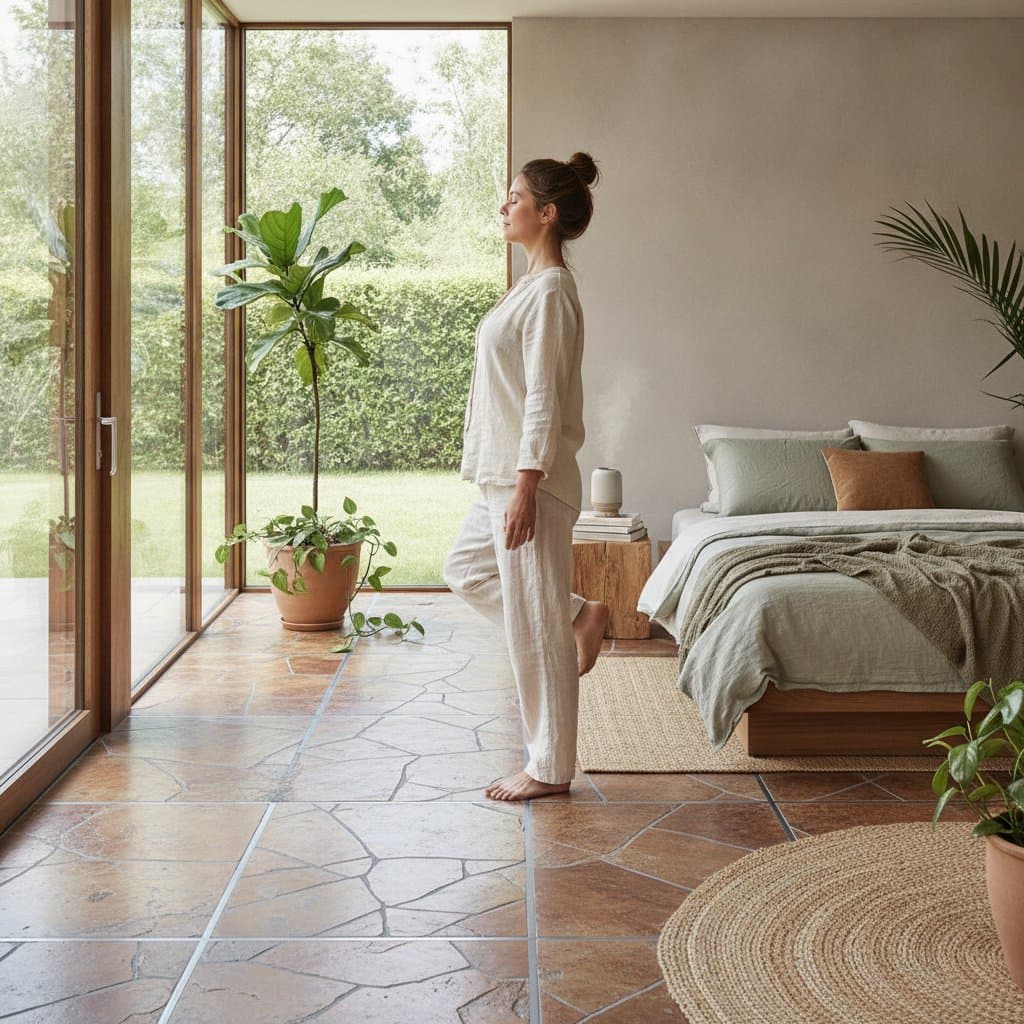
Grounding Flooring Brings Earthing Benefits Indoors
When you step barefoot onto grass or sand, a quiet sense of calm often follows. That peaceful connection represents the body natural response to direct contact with the earth. Grounding flooring, also called earthing flooring, brings that same experience inside.
This approach draws on a familiar human connection to the ground. Layers of concrete, rubber soles, and synthetic flooring have created distance from that connection over time. Grounding flooring offers a way to reconnect through natural materials and mindful design.
What Is Grounding Flooring
Grounding flooring uses materials that conduct the earth natural energy indoors. These surfaces allow the body to discharge static electricity and absorb subtle electrical currents matching the planet natural field. People often describe the result as feeling more centered and at ease.
Common grounding flooring materials include the following options.
- Conductive wood composites infused with carbon or copper threads.
- Natural stone such as slate, marble, or granite.
- Clay based tiles minimally treated to retain natural conductivity.
- Cotton or jute mats woven with conductive fibers.
When installed correctly, these materials connect to a grounding system that links the floor to the earth outside. This connection occurs through a grounding rod or conductive strip beneath the surface. The integration remains subtle and safe within standard design practices.
Why Bring Grounding Indoors
The value of grounding flooring appears in how an environment feels during daily use. People who spend time barefoot on grounded surfaces often report deeper relaxation, more restful sleep, and reduced body tension. The underlying process involves the body electrical charge interacting with the earth steady field to neutralize excess energy.
Even without technical focus, proximity to natural surfaces provides intuitive nourishment. Grounding flooring invites that calm sensation into routine activities. Walking to the kitchen or standing at a counter becomes a small act of balance and restoration.
Choosing the Right Grounding Materials
Start by matching materials to your space and lifestyle needs. Each option carries distinct texture, maintenance requirements, and visual qualities.
Natural stone remains cool and durable while pairing well with radiant heating in entryways or kitchens. Clay tiles add warmth and earthy tones suited to smaller rooms or meditation areas. Engineered wood composites provide flexibility in bedrooms where comfort takes priority. Textile grounding mats serve as an entry point when full renovation is not feasible.
Select materials with minimal chemical treatment to preserve conductivity. Discuss earthing support with contractors during planning so they can ensure proper system connections.
Creating a Grounded Routine
Grounding flooring delivers the strongest results when integrated into daily patterns. Spend a few moments barefoot each morning or evening while stretching or preparing tea. Allow the surface to prompt slower breathing and tension release.
Pair these moments with additional practices for enhanced effect. Gentle yoga or stretching on the floor builds a sense of stability. Brief pauses while standing help clear mental clutter. Performing chores such as folding laundry barefoot turns routine tasks into opportunities for connection.
Common Questions and Practical Answers
Portable grounding mats provide a solution for renters. These mats connect through a grounded outlet or external rod to create a localized zone.
Properly installed systems follow standard electrical safety practices. Follow manufacturer guidelines or consult an installer for compliance.
Many grounding materials match the appearance of conventional wood or stone. The functional difference lies in the subsurface connection rather than visible changes.
Living with Your Grounding Space
Maintain conductivity through simple cleaning methods that avoid harsh chemicals. Continue barefoot contact to sustain the intended benefits. Observe personal responses such as improved calm during pauses on the surface.
Adopt one consistent habit, such as morning barefoot time or evening floor seating. These repeated actions extend ease throughout other areas of daily life.