Acoustic Furniture Pieces That Reduce Noise in Your Home
A quiet home feels like a deep breath at the end of a long day. Many modern spaces echo with sound from hard floors, high ceilings, and minimal decor. The gentle hum of appliances or chatter from another room can make it hard to relax or focus. Acoustic furniture offers a graceful solution that softens sound while adding warmth and style.
Why Acoustic Furniture Matters
Sound bounces off flat, solid surfaces. When too many of those exist in a room, it creates echo and noise buildup. Acoustic furniture pieces absorb and diffuse those sound waves. They help create a softer, more peaceful sound environment. Instead of relying only on wall panels or rugs, you can choose furniture that quietly performs double duty as decor and sound control.
Key Furniture Pieces That Soften Sound
-
Upholstered Sofas and Armchairs
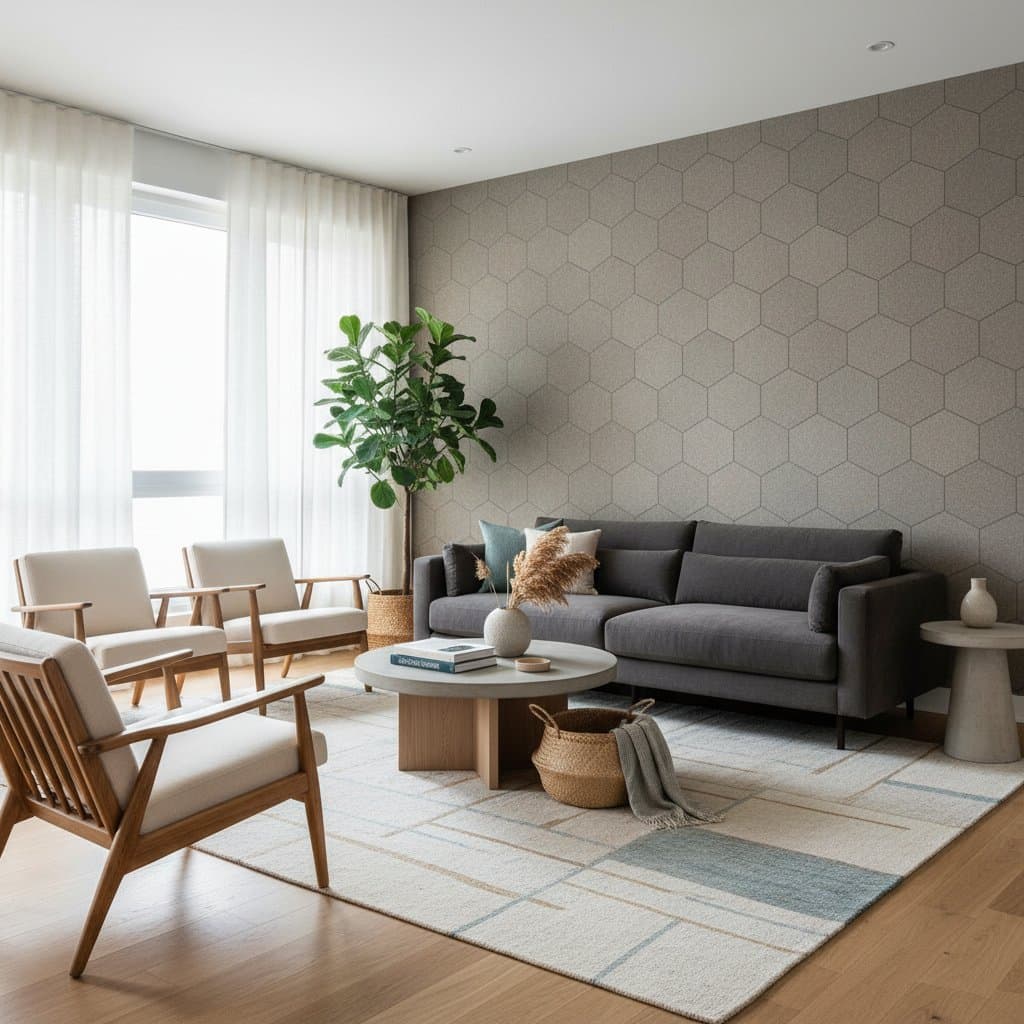
Plush seating is one of the easiest ways to absorb sound. Choose thick upholstery fabrics like velvet, tweed, or wool blends. The dense materials capture vibrations, while the deep cushions keep conversations from bouncing around the room. -
Fabric Headboards
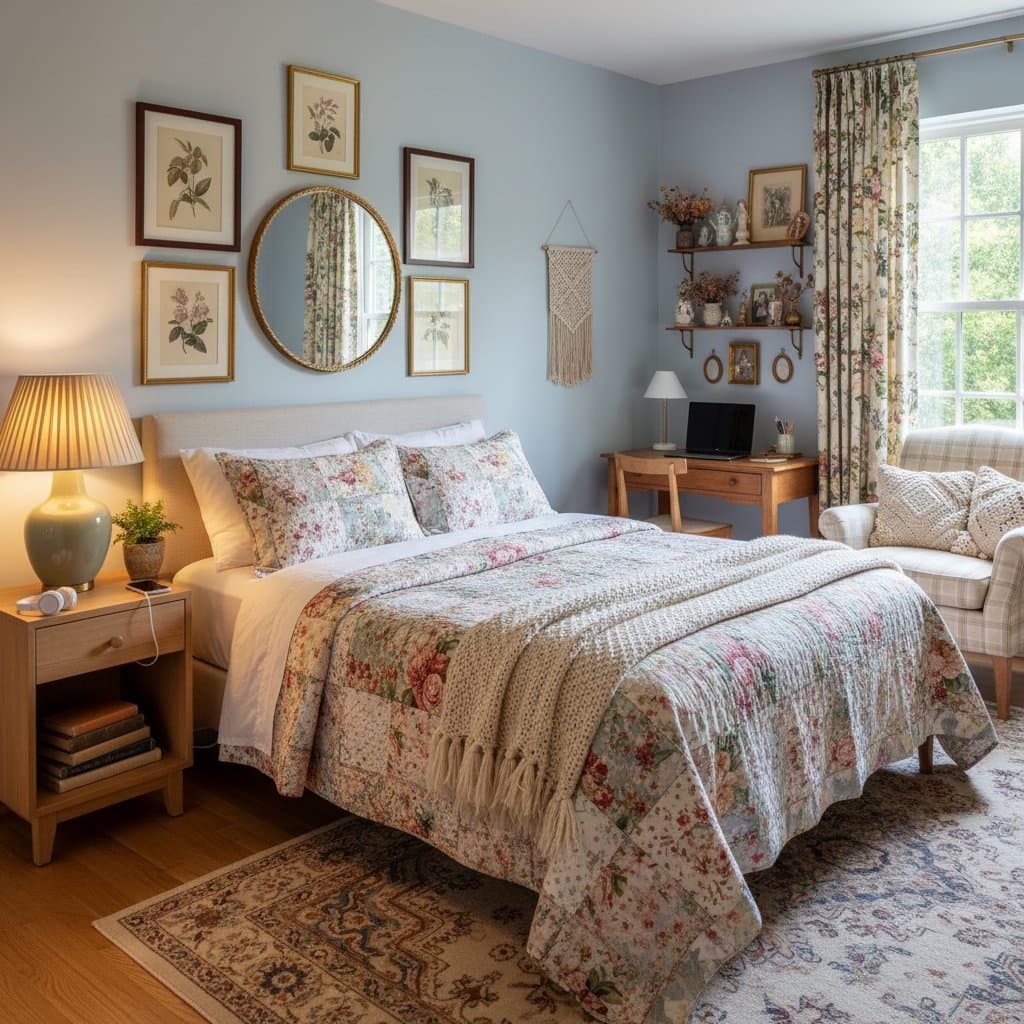
In bedrooms, a padded headboard absorbs sound near the wall. This choice cuts down on echo and creates a cozy backdrop. Pair it with layered bedding and curtains for an even quieter retreat. -
Acoustic Room Dividers
These partitions define zones in open spaces while reducing noise between them. Many modern designs use felt or recycled fabric panels in soft, sculptural shapes. They are lightweight and can be moved as needed, making them a flexible choice for home offices or studio apartments. -
Sound-Absorbing Ottomans and Benches
These pieces serve multiple purposes. They provide seating, storage, and sound dampening. A fabric-covered ottoman near a window or hallway can subtly reduce echo in high-traffic areas. -
Textured Wall Panels with Built-in Sound Control
Some furniture designers now create wall-mounted panels that function as both art and acoustic treatment. Felted or fabric-covered panels can add color and dimension while minimizing unwanted sound reflections. -
Bookshelves Filled with Soft Elements
A partially filled bookshelf can actually help manage sound. Mix books with woven baskets, fabric storage bins, and plants. The varied shapes and textures break up sound waves and bring visual warmth to the room.
Small Adjustments That Make a Big Difference
You do not need to replace every piece of furniture to enjoy a quieter home. Try layering soft textures in key spots. A wool throw on the arm of a chair, a linen tablecloth, or a padded seat cushion all help. Even a cluster of large floor cushions can absorb sound and make a space feel more relaxed. Focus first on echo-prone rooms like the living area or dining space.
When arranging furniture, consider how sound travels. Position soft pieces opposite hard surfaces. For example, a fabric sofa across from a large window or a rug under a dining table can balance the acoustics. Small shifts like these can noticeably reduce harshness in a room soundscape.
Creating Daily Calm Through Design Choices
Once you begin paying attention to how sound feels in your home, you may notice more opportunities for gentle improvement. Each fabric you add and each soft corner you create contributes to a calmer atmosphere. Over time, the space begins to hold sound differently and wraps you in quiet comfort.
A peaceful home supports rest, focus, and connection. By choosing furniture that absorbs rather than amplifies noise, you create an environment suited to daily life. Spend a few minutes today moving one soft piece into a louder space and listen for the difference.