Enhancing Acoustics with Stylish Fabric Wall Panels
Imagine settling into a movie where dialogue blurs amid echoes from bare walls, or cooking in an open kitchen where clattering pots amplify every sound. These acoustic challenges subtly erode comfort in everyday spaces. Fabric wall panels address such issues by absorbing excess noise while serving as refined design features that blend functionality with elegance.
Once limited to recording studios, these panels now feature in homes and offices as versatile elements. They dampen reverberations to foster clearer conversations, richer music playback, and deeper relaxation. Choose options that match your decor to secure both auditory clarity and aesthetic harmony.
Prioritizing Sound Control in Interior Design
Hard surfaces like hardwood floors, drywall, and large windows bounce sound waves, creating echoes that make rooms feel chaotic. Soft materials counteract this by trapping sound energy, which reduces noise buildup and promotes tranquility. Fabric wall panels mount directly onto walls, offering targeted absorption without relying on bulky alternatives like heavy rugs or curtains.
Craft these installations to look bespoke, incorporating sculptural shapes or padded profiles. Such designs elevate acoustics while reinforcing the room's overall character.
1. Textured Fabric Panels for Subtle Luxury
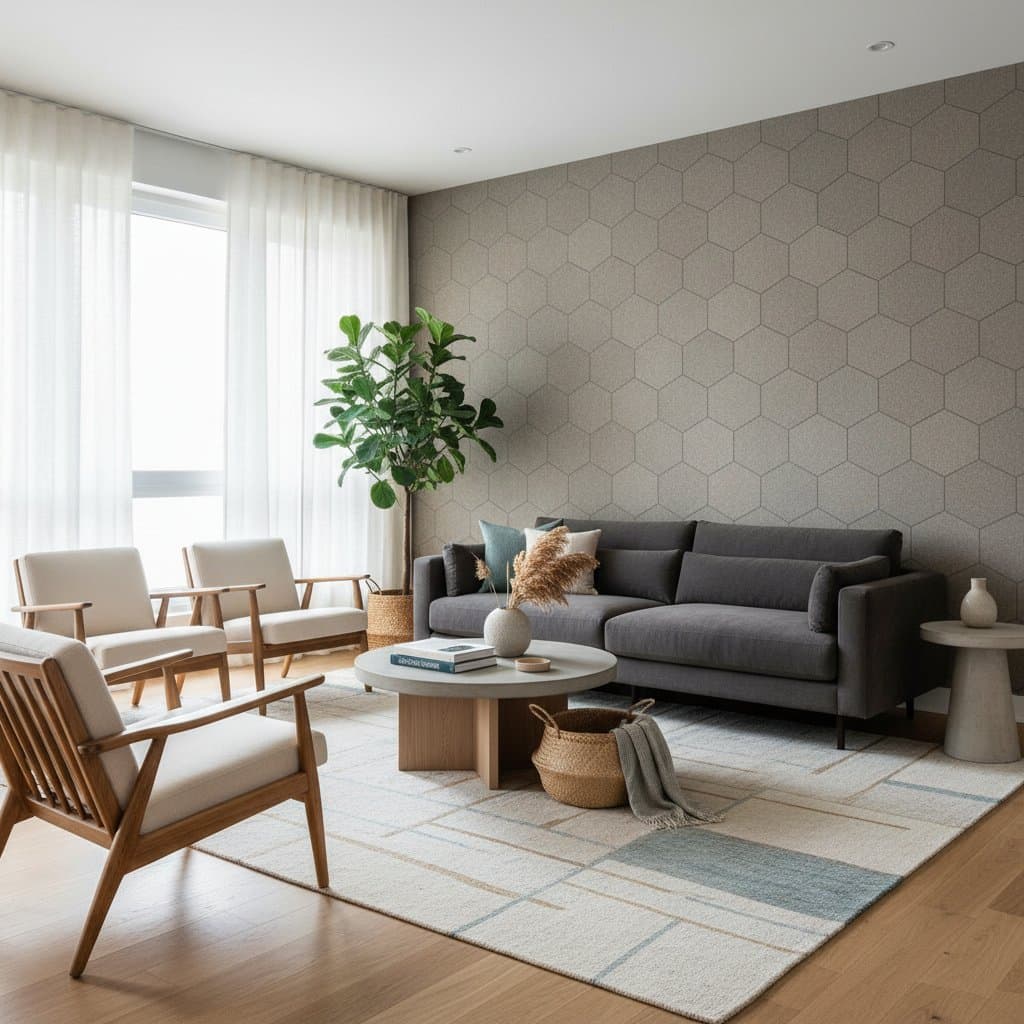
Select upholstery fabrics such as linen blends, wool felts, or velvet to add tactile warmth and dimension to walls. These materials pair well with contrasting hard finishes like metal fixtures or stone countertops, achieving a cohesive material balance.
For installation, measure the target wall area accurately and attach panels using strong adhesive backings or lightweight mounting frames to ensure a seamless bond. In living rooms, install a row of soft gray linen panels to target mid-range frequencies for improved dialogue clarity during gatherings. Bedrooms benefit from light woven textures that muffle high-pitched sounds, cultivating a soothing quiet ideal for sleep. As one interior specialist observes, this setup yields a gentle hush that naturally lowers voices in conversation.
2. Patterned Panels: Infusing Personality into Acoustics
Incorporate panels printed with digital motifs or assembled from pieced fabrics to draw the eye as statement pieces. Use geometric patterns in monochromatic tones for understated layering, or select vibrant prints to invigorate shared spaces like family rooms.
These options perform exceptionally in dining areas or home offices, where visual energy complements noise reduction. To apply them, position multiple panels side by side and employ alignment guides to match patterns precisely, preventing visible breaks. This technique quiets background chatter while introducing dynamic texture to otherwise flat surfaces.
3. Modular Panel Systems: Adaptable Solutions for Changing Needs
Opt for systems equipped with clip mechanisms or rail tracks that allow straightforward adjustments over time. Start with coverage on one feature wall, then scale up using swappable parts as your needs evolve.
Renters appreciate temporary fixes like magnetic attachments, which enable fabric changes for holidays without damaging surfaces. Begin setup by using a laser level to mark rail placements evenly, followed by clicking panels securely into position. The clean lines of these assemblies turn them into deliberate architectural highlights, merging utility with contemporary style.
4. Concealed Acoustic Layers: Discreet Performance
Build absorptive cores beneath decorative fabrics or framed art to deliver sound control without obvious changes. Choose permeable outer layers that allow sound to reach the inner foam or fiber, preserving the room's established look.
This technique fits sleek, modern environments where panels conceal behind stretched fabric toned to match adjacent walls. In dedicated media spaces, apply taut fabric over dense foam cores with spline fittings for a taut, professional surface. The result provides robust noise mitigation that renders rooms intuitively peaceful.
5. Custom Shapes and Finishes: Sculptural Acoustic Elements
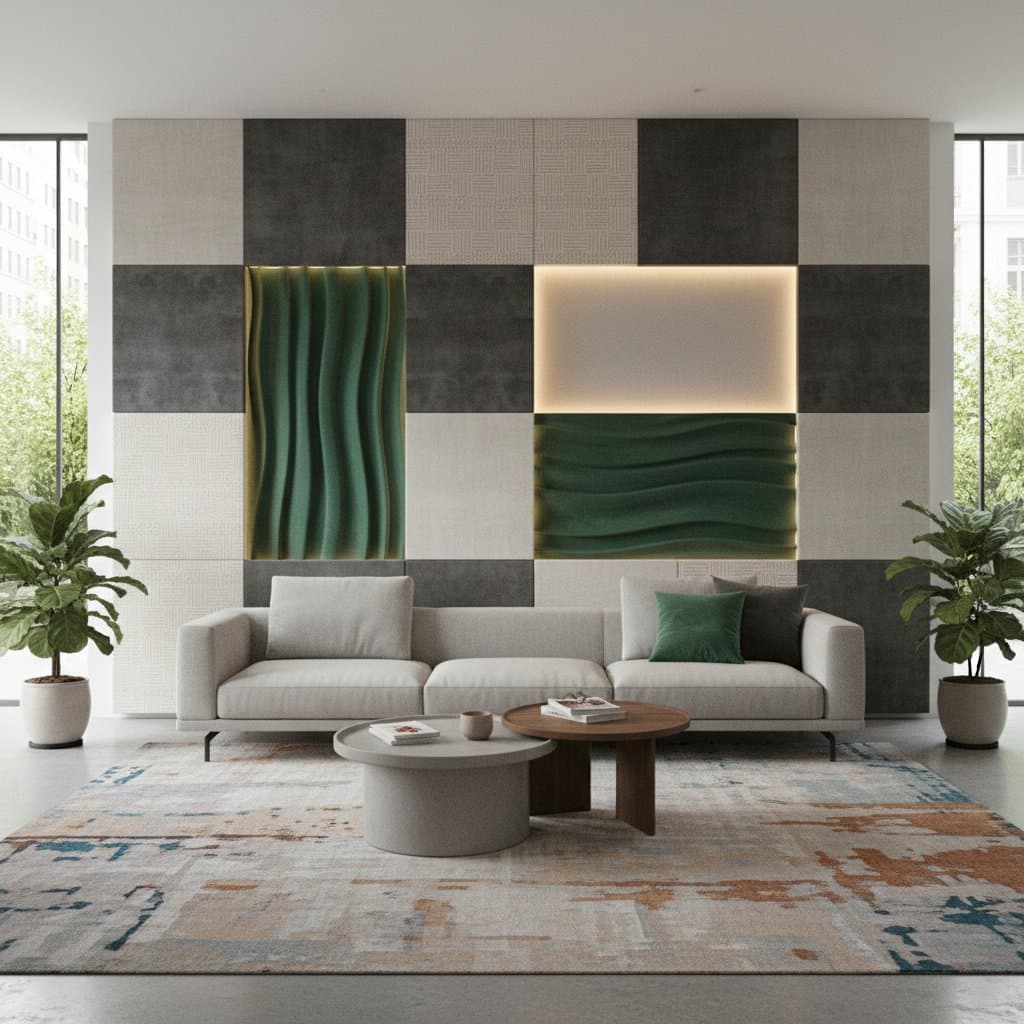
Work with artisans to create panels in irregular forms, including rounded contours or stacked dimensions, which play with light and shadow. Add details like stitched edges, piped borders, or intentional seams to craft a tailored vibe that echoes the room's architecture.
Hallways gain from curved panels that direct sound smoothly around corners and ease spatial shifts. Entertainment zones suit grid layouts with meticulous joins, replicating high-end studio aesthetics. Develop these through detailed templates and skilled upholsterers to guarantee longevity and exact fit, turning sound management into sculptural art.
6. Extending Treatment to Ceilings and Niches
Tackle upward sound travel by adding ceiling-mounted baffles or panels in high-ceilinged areas. Place them strategically over conversation zones to intercept reflections from above.
In smaller alcoves or built-in seating, wrap matching fabrics around the surfaces to form inviting pockets. Fix ceiling components with sturdy suspension wires or recessed tracks for balanced coverage. These extensions ensure comprehensive sound capture from all angles, amplifying a sense of refined ease.
7. Selecting Colors for Acoustic and Visual Harmony
Darker, non-reflective shades foster intimacy and stillness, whereas soft neutrals open up compact areas. Cover panels to echo or gently offset nearby elements, creating unified flow.
Combine deep navy bases with crisp ivory accents for sharp outlines, or weave in warm taupe against pale backdrops for inviting depth. Evaluate fabric samples in the actual lighting conditions to verify they enhance both hearing comfort and sightlines.
Implementing Fabric Panels for Lasting Comfort
Tackle ongoing echo problems by integrating fabric panels as a core enhancement, much like optimizing airflow or selecting enduring textiles. This step produces environments primed for unwinding and meaningful interactions.
Engage experts to adapt mounting techniques to your specific architecture, and care for the panels with light vacuuming to sustain their look. Together, the noise control and design uplift yield interiors that resonate with intention and calm.