Understanding Earthing Floors in Bedroom Design
Earthing floors integrate the principles of grounding directly into bedroom interiors. These systems connect occupants to the earth's natural electrical charge through conductive materials installed beneath everyday flooring surfaces. By facilitating this connection, earthing floors aim to reduce inflammation, improve sleep quality, and promote overall balance.
The process involves embedding copper strips or conductive mats within the subfloor, then topping them with natural finishes like wood or cork. This setup allows barefoot contact to transfer the earth's electrons to the body, mimicking the effects of walking outdoors. Research suggests that such grounding can stabilize cortisol levels and enhance recovery during rest.
In a bedroom setting, this technology transforms a simple sleeping space into a wellness hub. Designers recommend it for individuals seeking non-invasive ways to boost health through their environment. The result is a subtle upgrade that aligns modern living with ancient natural rhythms.
Key Components for Effective Earthing Floors
To ensure functionality, earthing floors require careful material selection and installation.
- Conductive Base: Install a grounding rod connected to the earth outside the home, linked via wiring to the floor system. This provides a direct path for electron flow.
- Subfloor Integration: Use carbon-infused underlayment or metal grids beneath the primary flooring. Verify conductivity with a multimeter during setup to confirm resistance below 10 ohms.
- Finish Options: Apply natural oil or beeswax coatings to wood or cork surfaces. These preserve conductivity while enhancing durability and tactile appeal.
- Rug Compatibility: Select wool or jute rugs with natural backings. Avoid synthetic materials that block electron transfer; test rugs by ensuring they allow static discharge when touched.
- Maintenance Practices: Clean floors with non-static cleaners and avoid wax buildups that insulate the surface. Annual inspections of connections prevent disruptions.
These elements ensure the system operates seamlessly, supporting daily wellness without drawing attention.
Adapting Earthing Floors to Bedroom Styles
Earthing floors adapt to various aesthetics, enhancing each without compromising design integrity.
Minimalist Bedrooms
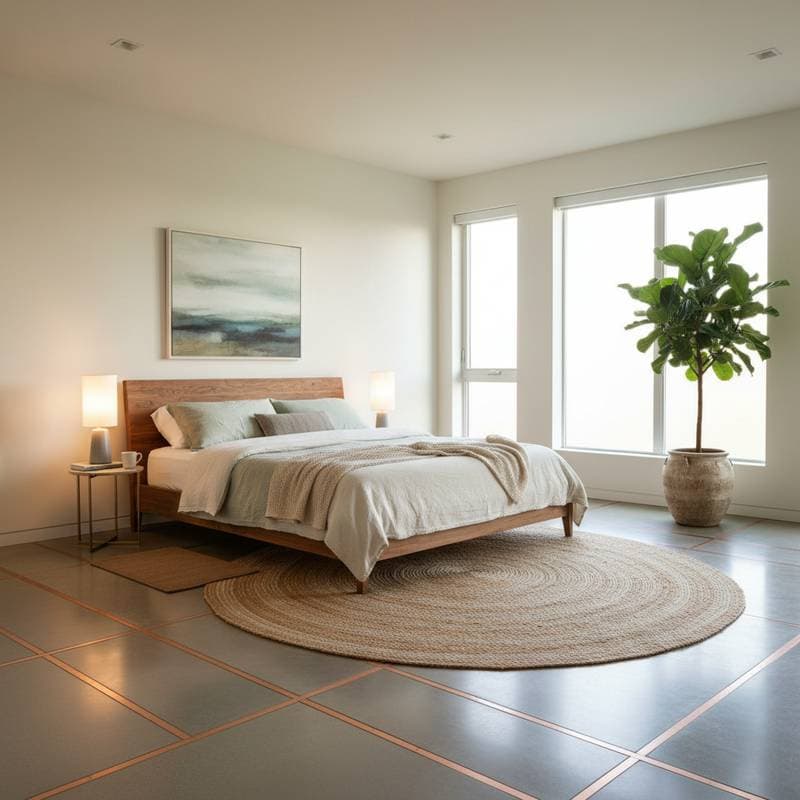
Minimalist designs emphasize clean lines and open space, making earthing floors an ideal fit. Opt for wide-plank oak with a subtle oil finish or matte concrete polished to a soft sheen. These choices highlight the floor's role in creating a serene base.
Pair the flooring with crisp linen bedding in neutral tones and low-slung wooden furniture. Natural light filters across the surface, accentuating subtle grain patterns. This setup fosters tranquility, allowing the grounding benefits to unfold quietly.
To maximize the effect, position the bed centrally so feet touch the floor upon waking. Designers note that this direct contact amplifies the sense of stability in sparse environments.
Coastal or Natural Bedrooms
Coastal bedrooms evoke relaxation with light colors and organic textures. Conductive cork tiles or bamboo planks suit this vibe, offering warmth and resilience against moisture.
Install a grounded underlayment during flooring replacement to keep the surface unchanged. Add sea-inspired elements like whitewashed walls and sheer curtains that diffuse sunlight onto the floor.
These materials resist humidity common in coastal areas, maintaining conductivity over time. Homeowners appreciate the soft underfoot feel, which complements the breezy atmosphere and enhances restorative sleep.
Urban Lofts
Urban lofts blend raw industrial elements with modern comfort. For these spaces, choose conductive microcement or polished clay tiles that echo concrete slabs.
Integrate the grounding system during initial slab preparation, embedding conductors before pouring. This method preserves the loft's edgy character while adding wellness layers.
Complement with exposed brick accents and matte black metal fixtures. The neutral floor tones ground the high-energy urban feel, creating a balanced retreat amid city noise.
Enhancing Wellness Through Complementary Design
Earthing floors shine when combined with holistic bedroom features. Consider breathable, zero-VOC wall paints that minimize off-gassing and support air quality.
Incorporate low-EMF LED lighting with dimmer controls to align with circadian rhythms. Position vents for optimal airflow, reducing stagnant air that can disrupt grounding benefits.
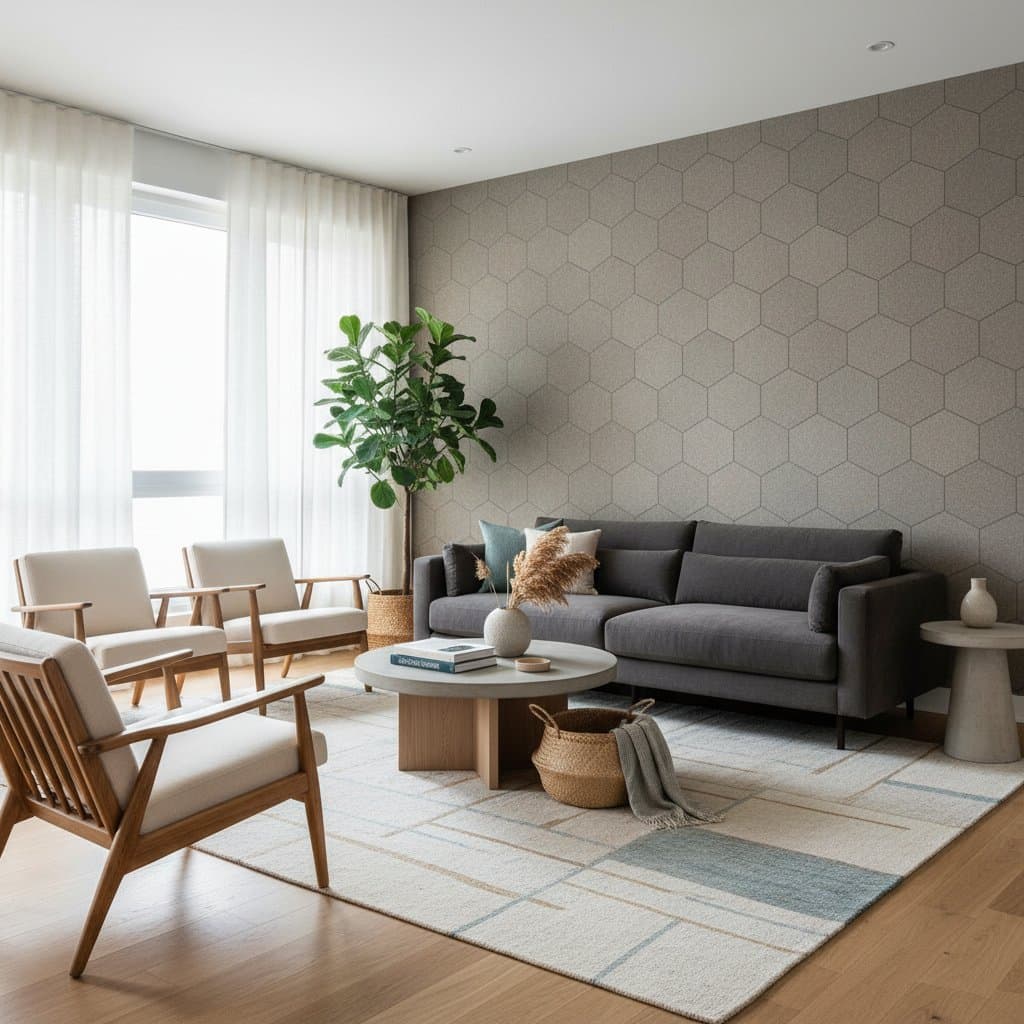
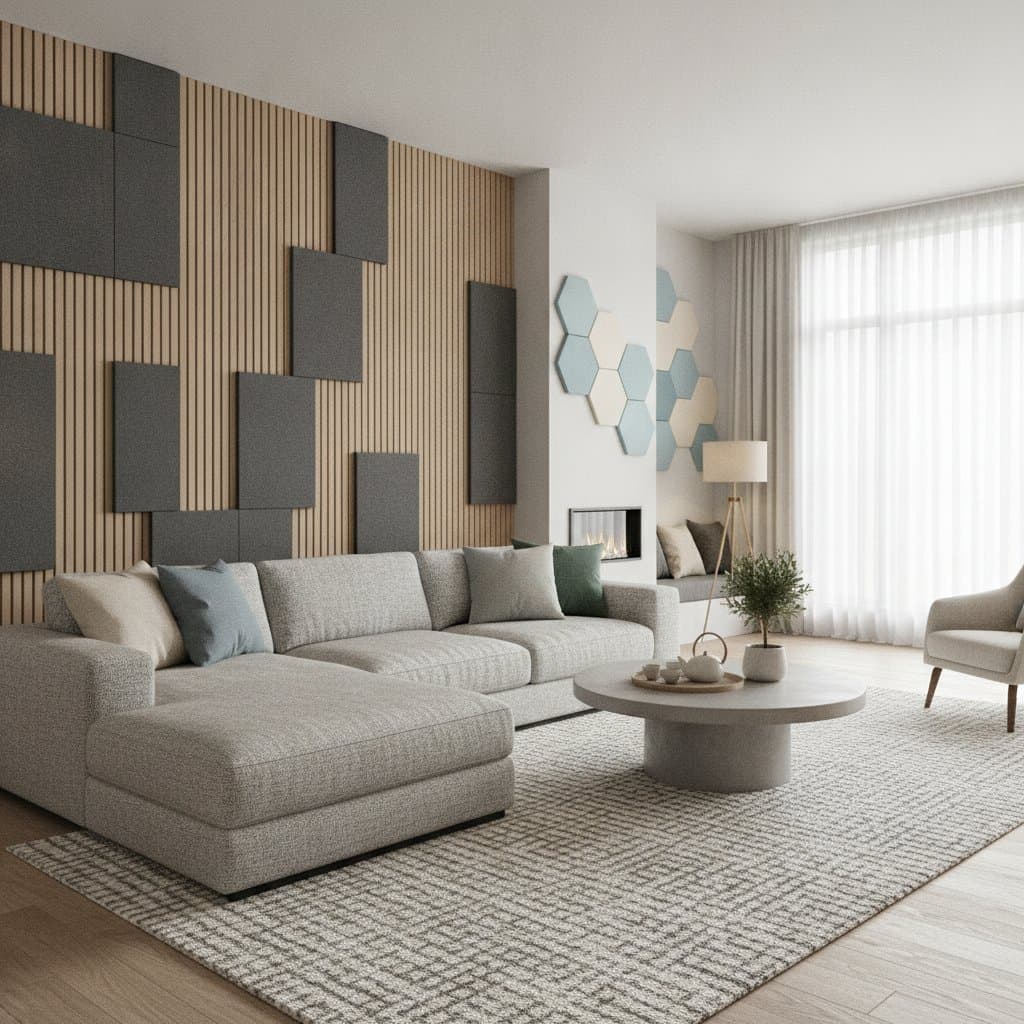
Clients often report heightened awareness after installation. They describe noticing subtle shifts, such as calmer mornings or deeper evenings. These insights lead to additions like acoustic panels or organic cotton linens.
Homeowner Lila Ortiz shared, “After a few weeks, I realized the room had a different kind of quiet. It wasn’t just soundproofing. The space felt settled.”
Such pairings create a symphony of sensory harmony, where the floor anchors broader wellness efforts.
Practical Storage Solutions for Grounded Spaces
Maintaining an uncluttered floor preserves the grounding field. Smart storage keeps essentials accessible without visual distraction.
- Under-Bed Drawers: Install built-in compartments with soft-close mechanisms. Store linens and books here to keep pathways clear.
- Wall-Mounted Fixtures: Use floating shelves or sconces to eliminate floor lamps. This frees space and maintains even electron distribution.
- Concealed Charging Stations: Add drawers with integrated, grounded outlets. Route cables internally to avoid tangles on the surface.
- Woven Organizers: Employ open shelving with natural baskets for airflow. Select materials like seagrass that harmonize with floor textures.
These strategies promote a continuous, open floor plane. They encourage mindful habits, reinforcing the wellness intent behind the design.
Experiencing the Benefits Daily
Earthing floors operate invisibly once in place, requiring only routine sweeping and occasional oiling. Barefoot contact delivers immediate grounding, often described as a gentle energy transfer.
Paired with soft lighting and muted palettes, the floor fosters profound rest. Colors like soft grays or warm beiges enhance the calming effect without overwhelming the space.
Renovation projects incorporating this feature yield lasting rewards. Occupants gain not just better sleep but a deeper connection to their surroundings.
Designer Mariah Chen observed, “A grounded floor changes how people experience their space. It gives them stability in the most literal way.”
Ultimately, these floors bridge architecture and physiology. They turn bedrooms into sanctuaries where natural equilibrium supports daily renewal.