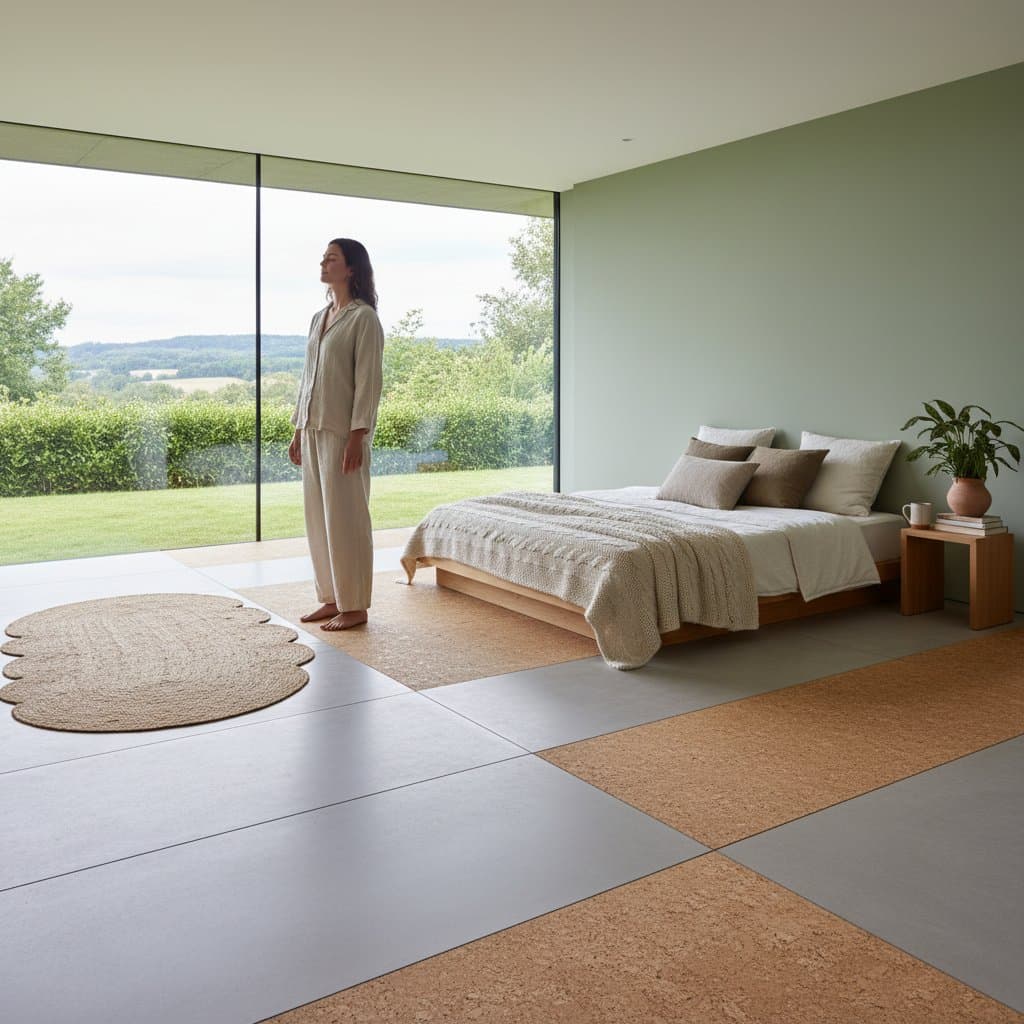
Grounding Floors: Bringing Earthing Benefits Indoors for Enhanced Wellness
The practice of earthing, or grounding, involves direct contact with the earth's surface to promote balance and reduce stress. This ancient concept gains modern relevance through innovative flooring solutions that replicate those benefits inside homes. By using conductive natural materials, grounding floors allow residents to experience reduced inflammation, improved sleep, and a deeper sense of calm without stepping outside.
These floors work by facilitating electron transfer from the earth to the body, mimicking barefoot walking on soil or grass. Architects and designers increasingly incorporate such surfaces to create spaces that support physical health and mental clarity. The result is a home environment that feels alive and restorative, blending sustainability with everyday comfort.
Key Features at a Glance
Target Residents: Homeowners and families pursuing holistic wellness and natural living.
Project Locations: Residential spaces in the United States, Europe, and urban apartments worldwide.
Scale and Scope: From small meditation areas in compact dwellings to expansive floors in open-concept homes.
Collaborators: Teams of wellness-oriented architects, interior specialists, and material experts focused on biophilic design.
Challenges of Traditional Flooring
Conventional synthetic options like vinyl planks and laminate tiles dominate many households for their affordability and ease of maintenance. However, these materials often create a barrier between occupants and the natural world. They trap static electricity, contribute to poor indoor air quality, and fail to regulate temperature or humidity effectively.
In older structures, sealed concrete slabs add another layer of disconnection. Heavy coatings prevent any subtle energy exchange with the ground beneath, leaving floors cold and uninviting. Residents frequently report feelings of fatigue or unease in these settings, even amid stylish decor.
"Clients would describe feeling tired or overstimulated even in beautifully furnished rooms," noted designer Kent. "We realized the materials themselves were part of that story."
Acoustic issues exacerbate the discomfort. Synthetic surfaces amplify echoes and reverberations, heightening sensory overload. Visually, their uniform sheen can make rooms feel stark and impersonal, underscoring the need for more tactile alternatives.
Essential Design Elements
Selecting the right materials forms the foundation of any grounding floor installation. Opt for conductive choices such as polished clay tiles, cork infused with carbon particles, or unsealed concrete treated with minimal oils. These options maintain electrical conductivity while offering durability and aesthetic appeal.
Installation requires careful preparation to ensure functionality. Begin with a conductive underlayment or grounding mat linked to a copper rod driven into the earth or the home's electrical grounding system. This connection allows free electron flow, essential for the earthing effect.
Finishes play a crucial role in longevity. Apply breathable natural oils or beeswax sealants to protect the surface without impeding conductivity. Avoid synthetic polyurethanes, which can create insulating barriers.
Maintenance remains straightforward yet vital. Reapply oils every six to twelve months to preserve conductivity and enhance the material's patina. Regular sweeping and gentle cleaning with pH-neutral solutions keep the floor hygienic and visually vibrant.
Beyond practicality, these floors excel in sensory performance. They absorb sound waves to quiet ambient noise, balance indoor humidity levels, and maintain a stable, foot-friendly temperature year-round. Aesthetically, their organic textures and earthy tones introduce subtle variations that evoke outdoor landscapes, fostering a seamless indoor-outdoor harmony.
Harmonizing Grounding Floors with Overall Interiors
Effective grounding designs extend beyond the floor itself, integrating with broader spatial elements for maximum impact. Natural light amplifies the benefits, so position windows to illuminate the surface and highlight its textures. Pair the floor with permeable wall treatments like limewash or clay plasters to promote airflow and avoid synthetic contrasts.
Lighting strategies enhance the serene atmosphere. Install soft, indirect fixtures such as recessed uplights or pendant lamps with diffusers to cast gentle glows that complement the floor's warm hues. Sheer curtains or blinds on windows soften daylight, preventing glare while inviting a calming interplay of light and shadow.
Furniture and layout decisions support accessibility. Choose low-profile pieces that expose the floor, encouraging direct contact. In a project by Studio Mae along the coast, designers extended the clay flooring to form a built-in window bench. This seamless extension invited residents to sit barefoot, blending seating with the grounding plane.
"It became the most used spot in the house," shared the homeowner. "Because it just feels peaceful."
Such integrations promote fluid movement and mindfulness, turning everyday routines into opportunities for wellness.
Practical Storage Solutions
Grounding floors thrive in decluttered environments, where the surface remains unobstructed for tactile engagement. Elevate storage to preserve floor access with these approaches:
-
Install wall-mounted or floating shelves that hover above the ground, maintaining an open visual pathway.
-
Design built-in cabinetry with toespaces or legs that lift bases several inches, allowing the flooring material to flow uninterrupted.
-
Incorporate natural-fiber options like woven seagrass baskets or bamboo trays for low-level organization, echoing the floor's organic texture.
These choices not only control mess but also reinforce the room's tranquil vibe, keeping focus on the grounding experience.
Experiencing Daily Life on Grounded Surfaces
Adopting grounding floors transforms routine interactions within the home. Residents often notice a subtle shift toward relaxation, with improved posture and reduced tension from constant contact. The floors' warmth underfoot discourages rushing, inviting pauses for reflection amid daily tasks.
For households with children or pets, the benefits prove especially practical. Soft, resilient materials cushion falls and paws alike, while their hypoallergenic properties minimize allergens. Adults gain from the acoustic dampening, which softens conversations and media sounds for a more restful backdrop.
"Once you live with a grounded floor, you start noticing the way your body responds to materials everywhere else," Kent observed. This heightened sensitivity extends to other elements, guiding selections in finishes, fabrics, and fixtures toward more natural alternatives.
Steps to Introduce Grounding in Your Space
Transitioning to grounding floors requires thoughtful planning, but starting modestly yields quick rewards. Assess your home's layout to identify high-touch zones like bedrooms or home offices. Consult a specialist to evaluate grounding potential, considering soil type and electrical setup.
For initial trials, install a portable grounding mat under a favorite chair or yoga area. Layer it beneath a wool rug for added insulation without losing conductivity. Monitor personal responses over a few weeks, noting changes in energy levels or sleep quality.
As confidence grows, expand to full-room applications. Budget for professional installation to ensure safety and efficacy. The investment pays dividends in sustained wellbeing, aligning your living space with nature's restorative rhythms.
Grounding floors embody a forward-thinking approach to design, prioritizing health alongside beauty for enduring home harmony.