Grounding Flooring: Earthing Materials for Indoor Wellness
You know that feeling when you step barefoot onto cool grass or warm sand and your whole body seems to exhale. That tiny reset is what grounding, or earthing, is about. The idea is simple. By connecting directly with the earth surface, our bodies can balance out electrical charge and ease stress.
Since most people spend the majority of their time indoors, materials underfoot often block that connection. Grounding flooring aims to change that. It brings the calm and connection of nature right into living spaces.
Why Grounding Indoors Matters
Modern homes are full of synthetic materials that insulate rather than connect. Vinyl, laminate, and carpet may be practical, but they isolate us from the earth subtle energy. Grounding flooring uses conductive materials that allow a gentle exchange of electrons between your body and the ground. This process is similar to the effect of walking barefoot outside.
Some people describe the result as a sense of ease or clarity. Others notice better sleep or reduced tension. Whether you believe in the science or simply enjoy the tangible comfort, this approach turns floors into quiet allies for wellness.
1. Conductive Cork
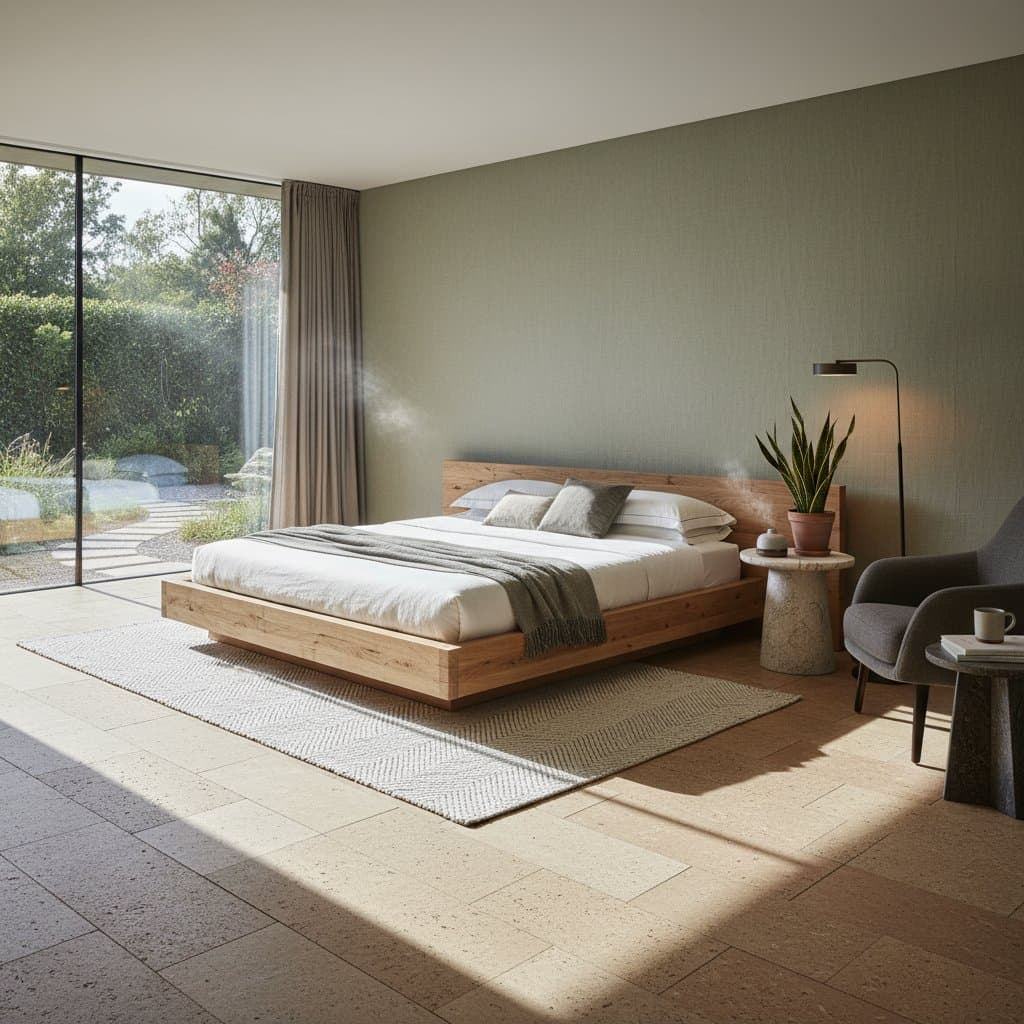
Cork has long been a favorite for its cushioned feel and renewable source. When infused with a conductive backing or mineral additive, it becomes a grounding surface that still feels pleasantly organic. Imagine walking across a floor that gives slightly underfoot, soft but grounded, like a forest path.
It insulates sound, resists moisture, and can handle daily wear with grace. Clients often say they love how it feels alive compared to typical laminate. It is also easy to clean, making it a practical choice for bedrooms or meditation spaces.
2. Earthing Mats and Overlays
If replacing current flooring is not in the plans, grounding mats can turn almost any surface into a conductive one. These thin overlays connect to a grounding port or rod. They create a bridge between your body and the earth.
They work best in areas where you spend time barefoot, such as beside the bed or under a desk. Think of them as a quiet upgrade that requires no major renovation. Once installed, you may find yourself lingering at your workspace or stretching on the floor just to enjoy the contact.
3. Conductive Concrete
Polished concrete already has a minimalist charm. When embedded with conductive additives, it gains a wellness function. The material maintains its sleek look but allows energy exchange through the slab to the ground below.
The result is a floor that feels grounded in every sense. It pairs beautifully with radiant heating and works in both modern lofts and rustic spaces. Maintenance is simple, and its durability means it will last for years.
4. Carbon-Infused Vinyl
Vinyl flooring has a reputation for affordability and resilience. Traditional versions block grounding, yet a new generation of carbon-infused vinyl changes that. The carbon content makes the surface conductive without losing its easy-clean finish.
It is ideal for kitchens, laundry rooms, or any space prone to spills. You can have the benefits of grounding with the convenience of a wipeable, waterproof material. It wins on practicality and availability.
5. Stone Tile with Conductive Grout
Natural stone already connects us visually to the earth. Pairing it with conductive grout completes the circuit. Slate, travertine, or marble tiles can be installed with a special grout that allows grounding when touched by bare skin.
The tactile coolness of stone gives a literal sense of grounding, and the look is timeless. Imagine stepping out of the shower onto slate that feels both luxurious and stabilizing.
6. Grounding Wood Finishes
Wood flooring is beloved for its warmth. Yet the coatings often used on it create a barrier. A grounding finish made with conductive oils or minerals keeps the natural look while allowing gentle conductivity.
This approach works well for existing hardwoods that need refinishing. It preserves the grain, deepens the tone, and brings back that connection underfoot. You might notice your pace slowing as you walk across it.
Daily Benefits You Can Feel
Grounding flooring is not just about science or style. It is about how your home feels. Many people describe subtle shifts such as less static in the air, quieter energy, and a sense of calm.
The combination of tactile materials and natural connection changes how you interact with your space. You might find yourself spending more time sitting on the floor with a book or stretching after work instead of collapsing into a chair.
Implementing Grounding Flooring
If you are intrigued but unsure where to start, begin small. A grounding mat in your reading nook can help you test the concept. From there, you might upgrade a single room with conductive cork or a grounding finish on wood.
Work with a contractor familiar with grounding materials so everything, including connections to the earth, is properly installed. The cost varies depending on material and coverage, but most people find it comparable to other premium flooring options.
As with any renovation, the goal is comfort and ease. Grounding flooring fits beautifully into that mission. It is one of those subtle upgrades that quietly changes the atmosphere of your home.