Acoustic Wallpaper: Integrating Style and Sound Control in Modern Homes
Consider the frustration of attempting relaxation amid persistent household noises, such as clattering dishes or neighboring sounds. Acoustic wallpaper addresses this issue by combining decorative elements with functional sound management. Unlike traditional soundproofing, it maintains an aesthetic focus, appearing as refined wall treatment rather than utilitarian material.
This product merges practicality with visual elegance. It diminishes echoes in expansive living spaces, moderates audio in compact apartments, and provides a textured depth absent in conventional paint. For individuals prioritizing both appearance and tranquility, acoustic wallpaper emerges as a preferred option.
The Importance of Acoustic Wallpaper in Contemporary Homes
Modern residences feature hard flooring, open configurations, and glossy finishes that amplify sound like an echo chamber. Each conversation, pet noise, or utensil impact intensifies through reflection. While conventional insulation remains concealed within structures, acoustic wallpaper operates visibly on walls, capturing sound energy to lessen reverberation and blunt sharp tones.
Such application results in clearer virtual meetings with reduced feedback, minimized transmission between rooms, and a more subdued daily auditory environment. View it as an auditory diffuser enveloped in artistic expression.
Mechanisms Behind Acoustic Performance
Acoustic wallpaper incorporates dense or fibrous layers to capture and disperse sound waves. Certain variants include felt or foam substrates, while others utilize compressed recycled textiles in slim panels. The principle relies on porous, yielding materials that absorb vibrations, contrasting with rigid surfaces that repel them.
Upon wall application, these coverings function as compact absorbers. They do not eliminate all external sounds but significantly attenuate them. For instance, utensil clinks shift from piercing to subdued, fostering a balanced rather than silent atmosphere.
Aesthetic Integration Without Sacrifice
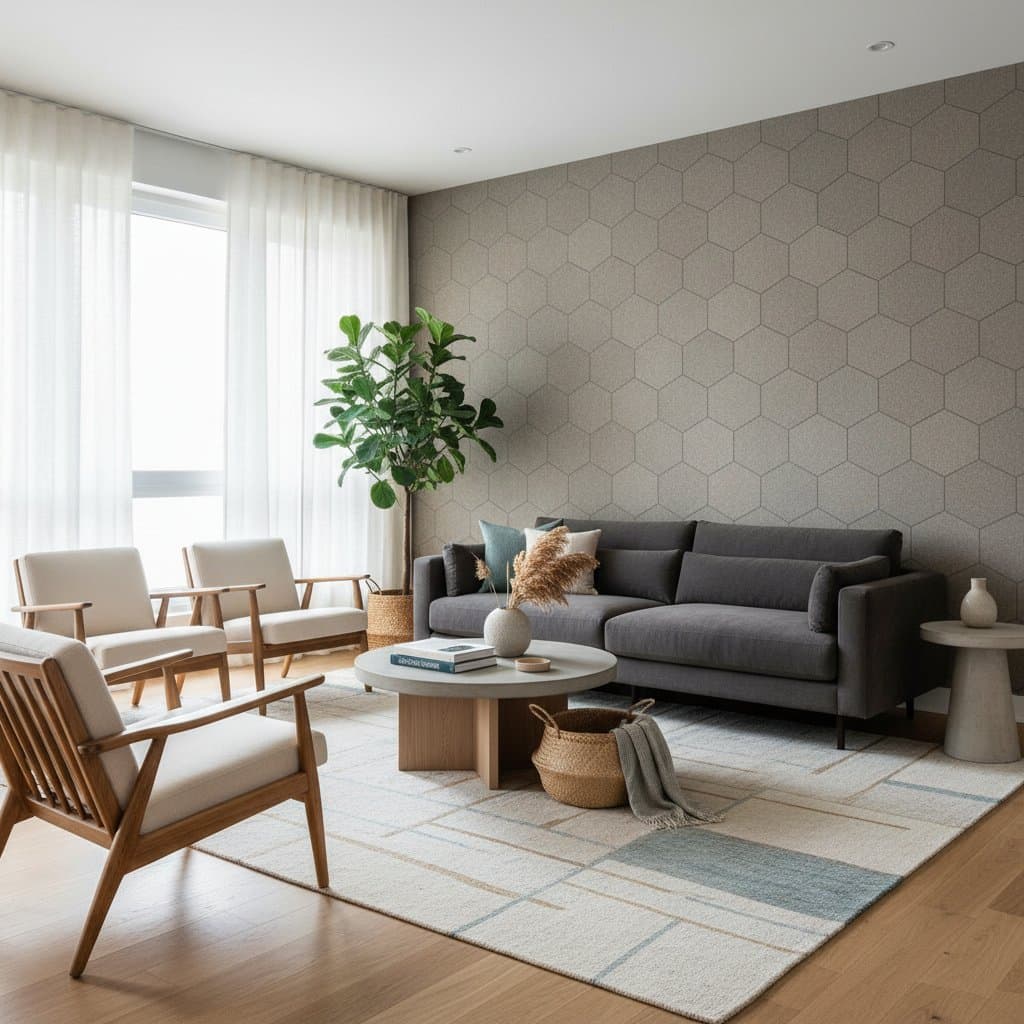
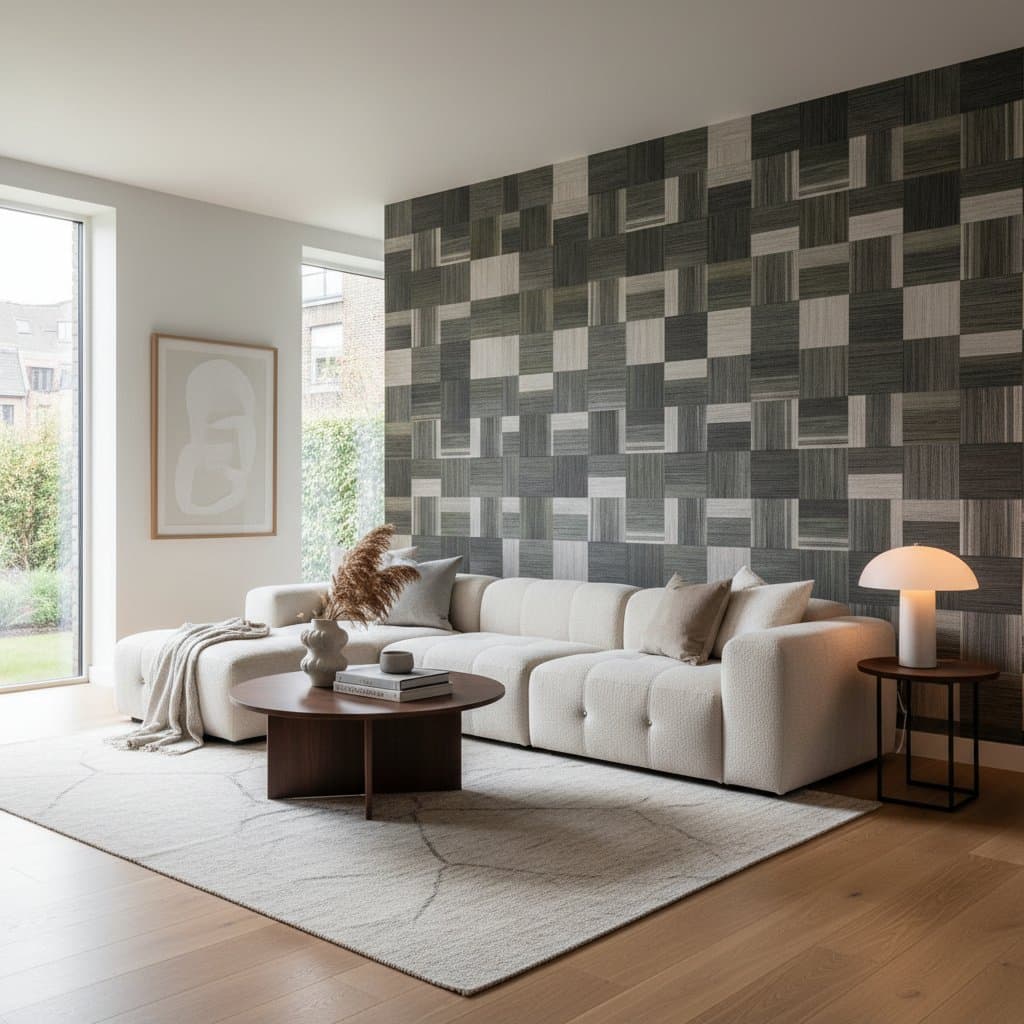
A common assumption holds that sound-control products appear utilitarian or uninspired. Acoustic wallpaper challenges this notion through collaborations between engineers and designers, yielding patterns, textures, and hues that enhance interiors. Options replicate linen or suede finishes, or incorporate embossed motifs that serve dual decorative and functional roles.
Select neutral shades for tranquil bedrooms or vibrant motifs for inspiring offices. Relief designs introduce dimension, modulating light reflection to create a lively yet serene wall presence.
This approach allows simultaneous achievement of visual allure and auditory ease.
Optimal Placement Strategies
Acoustic wallpaper excels in areas prone to sound reflection. Primary applications include:
- Home offices, where bare walls amplify call echoes.
- Bedrooms, essential for blocking external disturbances to promote rest.
- Media rooms, where it curbs excessive surround-sound resonance.
- Hallways and stairwells, which channel noise throughout the home.
- Open kitchens and living areas, where sounds propagate freely.
A single feature wall often yields noticeable improvements. The objective involves refining acoustics for contained, orderly audio rather than studio-level isolation.
Installation Essentials for Effectiveness
The process resembles standard wallpaper application, adjusted for material heft. Strong adhesives suit the denser composition; peel-and-stick options simplify for beginners, while others demand paste. Ensure tight seams to prevent acoustic leaks.
Enlist assistance for alignment during self-installation. Test adhesives on inconspicuous spots due to weight. Post-installation, maintain with gentle dusting or low-suction vacuuming; durability spans years.
Professionals may integrate it with baseboards or ceiling treatments for comprehensive results. Partial applications still transform room dynamics.
Enhancements for Superior Acoustic and Visual Results
Incorporate these targeted improvements to optimize your project.
-
Textured Profiles for Dual Purpose
Embossed or raised surfaces expand absorption capacity while adding elegance. Envision walls resembling woven fabric or subtle ridges, blending touch, sight, and sound control. -
Integrated Electrical Covers
Replace standard plates with seamless or customizable versions to preserve wall continuity. This detail elevates the overall polished appearance. -
Precise Edge Sealing
Apply flexible caulk at trim junctions to seal micro-gaps and enhance both acoustics and finish quality. -
Strategic Illumination
Since the material interacts uniquely with light, employ sconces or diffused sources to accentuate textures, amplifying room softness. -
Synergistic Soft Furnishings
Combine with drapes, carpets, and padded pieces to build a cohesive absorption network, countering reflective hard elements.
These elements subtly elevate functionality and aesthetics.
Psychological Benefits of Reduced Noise
Auditory environments shape interactions profoundly. Cluttered soundscapes induce disorder, regardless of visual tidiness. Conversely, moderated acoustics promote focus and composure.
Acoustic wallpaper contributes to this sensory harmony, aligning with trends in tactile and luminous design. It fosters gentler dialogues, less obtrusive appliances, and purposeful spatial experiences.
Cost Considerations and Long-Term Value
Pricing exceeds basic wallpaper due to dual functionality, yet it consolidates wall enhancement and noise mitigation. Costs fluctuate with density and intricacy; installation remains accessible.
Prioritize high-use zones like sleeping or working areas for maximum impact. Renters benefit from adhesive-free variants that remove without residue, preserving deposits while boosting comfort.
Addressing Prevalent Myths
Clarify these frequent misunderstandings.
- It achieves full soundproofing. In reality, it mitigates internal echoes and reflections but requires construction alterations for external barriers like traffic.
- It appears cumbersome. Contemporary iterations remain slim, mere millimeters beyond standard, with understated textures.
- Maintenance proves challenging. Varieties support wiping or light vacuuming, comparable to painted surfaces.
- It fits only contemporary settings. Traditional patterns like faux plaster or silk integrate seamlessly into heritage designs.
Harmonizing Acoustics with Interior Design
Effective design encompasses sensory equilibrium, including audio. In rooms with reflective elements like glass and stone, acoustic wallpaper provides balance akin to flooring textiles for sound.
Its tactile warmth parallels auditory softening, redirecting attention to subtle sounds such as page turns over amplified echoes.
Practical Success Stories
Users frequently report overlooked pre-installation noise levels. One household applied it behind entertainment systems, enabling lower volumes. In a childcare area, it extended rest periods by dampening ambient sounds.
These outcomes stem from applied principles, yielding tangible daily improvements.
Decorative Integration Ideas
- For minimalist setups, opt for matte solids with faint textures to sustain serene lines.
- In bohemian contexts, select patterned weaves that harmonize with eclectic layers.
- Industrial environments suit deep tones or matte finishes echoing raw materials.
- Traditional spaces benefit from ornate embossings like damask, preserving historical essence.
Approach it as premium surfacing with inherent acoustic advantages.
Upkeep and Durability
Routine care involves microfiber dusting or brush-vacuuming; eschew abrasives. Patch damages with matching spares from suppliers.
Though wear appears in active zones over time, sound control persists. The material retains efficacy beyond cosmetic aging.
Experiencing the Transformation
Initial post-installation shifts include softened steps and contained voices. Gradually, the focus shifts from the covering to the newfound quiet, confirming its integration into daily life.
Maximizing Comfort in Your Revitalized Home
With acoustic wallpaper, homes evolve into refuges where design and silence coexist. Invest in this upgrade to reclaim serenity, enhancing every interaction within your space.