Acoustic Wallpaper: Style Meets Noise Reduction
In today's busy households, achieving quiet often seems elusive amid street noise, remote work demands, and family activities. Acoustic wallpaper provides a sophisticated solution that combines aesthetic appeal with effective sound control. This innovative covering creates refined environments that promote relaxation without relying on cumbersome panels or complex installations.
What Acoustic Wallpaper Is
Acoustic wallpaper consists of specialized layers designed to trap sound waves within a decorative surface. Common compositions include high-density foam cores wrapped in fabric, or panels infused with recycled cellulose fibers from sustainable sources. These elements diffuse vibrations, reducing reverberation times by up to 50 percent in treated areas compared to untreated walls.
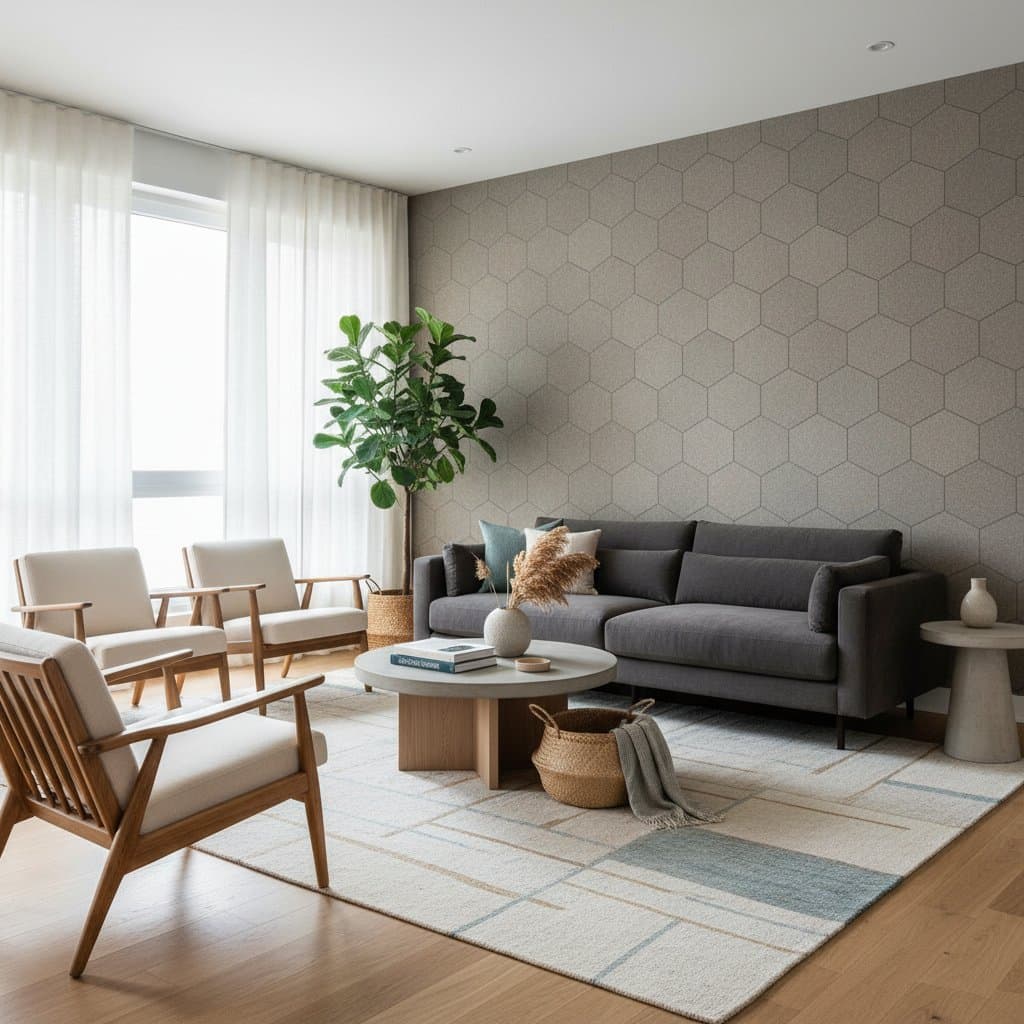
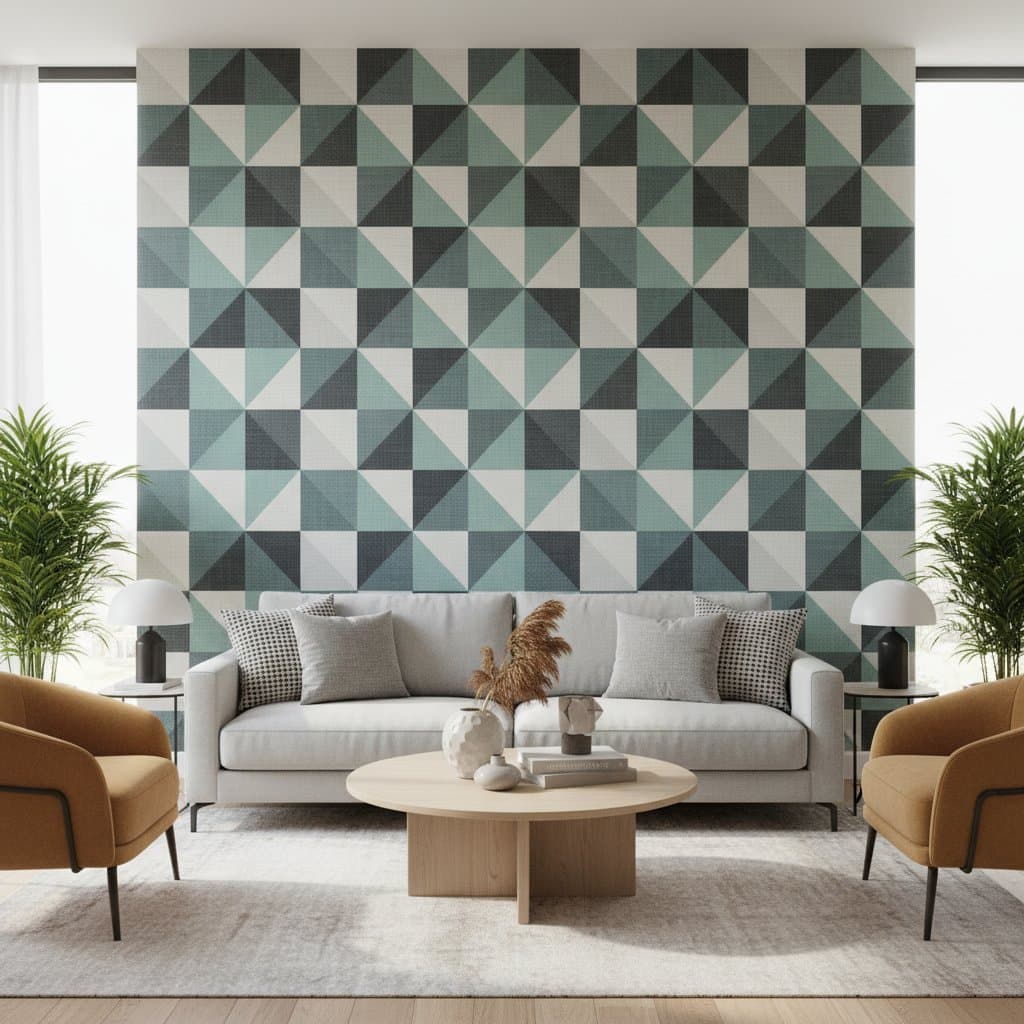
Beyond functionality, the material supports diverse designs that enhance interiors. Options range from subtle linen textures in neutral palettes to intricate geometric motifs in vibrant hues. Select a matte finish for understated elegance or an embossed pattern to add dimensional interest, ensuring the wallpaper complements any decor scheme seamlessly.
Why It Works So Well
Sound behaves predictably in enclosed spaces: hard surfaces such as concrete or glass amplify echoes, leading to fatigue and distraction. Acoustic wallpaper interrupts this cycle by converting sound energy into minimal heat through absorption, targeting frequencies between 125 and 4000 Hz that commonly cause discomfort. In practice, this results in clearer speech intelligibility and reduced perceived noise levels by 10 to 15 decibels.
The effect manifests as a more balanced auditory environment rather than complete isolation. For instance, in a home office, keyboard clatter diminishes, allowing sustained concentration during video calls. In social settings, it fosters intimate conversations by softening ambient sounds, enhancing overall comfort without altering the room's natural acoustics entirely.
Where to Use It
Acoustic wallpaper adapts to various settings, with particular advantages in high-noise zones. Consider these targeted applications:
- Home offices: Absorbs echoes from equipment and voices, improving productivity and reducing stress during long work sessions.
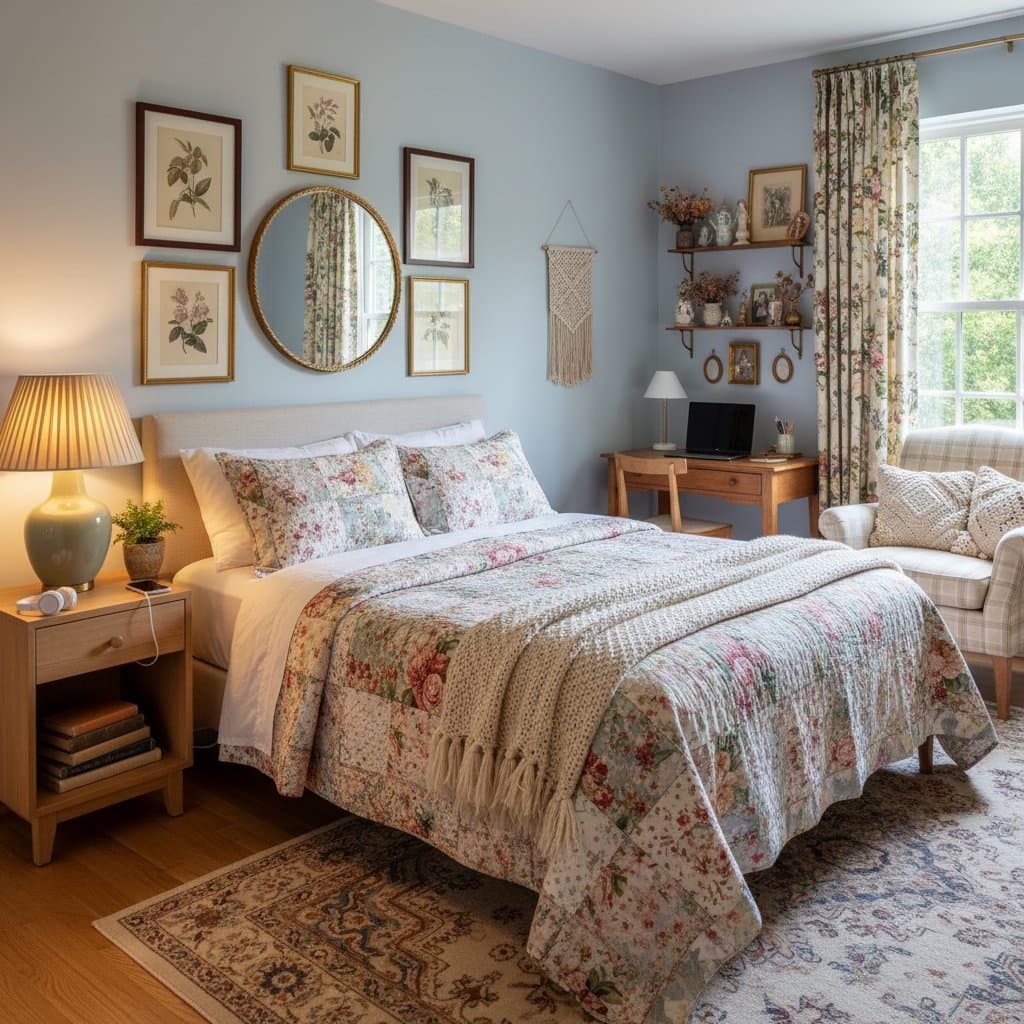
- Bedrooms: Muffles external traffic or neighbor sounds, promoting restorative sleep in urban dwellings.
- Hallways or staircases: Eliminates hollow reverberations on bare walls, creating a more welcoming transition between rooms.
- Living rooms: Complements soft furnishings like sofas and carpets, tempering media playback and group discussions for a cozier atmosphere.
- Apartments: Limits inter-unit sound leakage, such as footsteps or television volume, enhancing personal privacy without structural modifications.
Choosing the Right Style
Selecting acoustic wallpaper involves balancing acoustics with visual harmony. Prioritize materials certified for sound absorption coefficients above 0.5, verified through independent testing. For a minimalist approach, opt for smooth, paintable surfaces in whites or grays that integrate subtly; for drama, choose textured weaves in earth tones that draw the eye as focal points.
Assess room lighting and scale when deciding patterns. In small spaces, vertical stripes elongate walls visually while aiding sound diffusion. Layer with complementary elements, such as sheer curtains, to amplify both style and performance. Testing samples in situ reveals how textures interact with light, ensuring the final choice aligns with the intended ambiance.
Simple Installation Tips
Installation mirrors traditional wallpaper processes, typically requiring basic tools like a utility knife and adhesive roller. Follow these structured steps for optimal results:
- Prepare the walls. Remove old coverings, fill cracks with spackle, and wipe down with a damp cloth to ensure a dust-free bond.
- Measure carefully. Use a laser level to mark guidelines, then cut panels to fit, accounting for overlaps of at least one inch at seams.
- Apply evenly. Spread adhesive uniformly with a brush, position the panel from top to bottom, and smooth with a plastic tool to eliminate bubbles.
- Allow time to set. Secure edges with tape if needed, then wait 24 hours for full curing before introducing moisture or heavy items.
For larger projects or intricate patterns, enlist a certified installer to achieve professional precision and avoid common pitfalls like misalignment.
Caring for Acoustic Wallpaper
Routine upkeep preserves both appearance and efficacy. Weekly dusting with a microfiber cloth removes surface particles without damaging the texture. For deeper cleaning, use a vacuum with an upholstery brush on low suction to gently lift embedded dirt.
Most formulations resist fading and mildew, suitable for humid areas like kitchens if sealed properly. Address stains promptly with a solution of warm water and neutral soap, dabbing rather than rubbing to prevent fiber wear. With consistent attention, expect durability spanning 10 to 15 years, maintaining consistent sound control throughout.
Experiencing the Transformation
After application, the auditory shift becomes evident almost immediately. Echoes in conversations shorten, creating a more intimate feel, while distant noises recede into the background. This adjustment supports daily well-being, from sharper focus during tasks to unwinding more fully in leisure moments.
Over time, the benefits extend to subtle lifestyle enhancements. Mornings greet you with less clamor, and shared spaces encourage connection without auditory strain. The wallpaper subtly reshapes how you interact with your surroundings, fostering a persistent sense of harmony.
Implementing Acoustic Wallpaper
To integrate this upgrade, begin by evaluating your most disruptive space. Measure wall dimensions and review product specifications for coverage rates, typically 50 to 60 square feet per roll. Order samples to test acoustics in real conditions, then proceed with installation during a low-activity period.
Post-installation, conduct a simple sound check: play familiar audio and note changes in clarity. This hands-on approach confirms the investment's value and inspires further refinements, such as acoustic art or underlay additions, to refine your home's serenity.