Why Acoustic Panels Revolutionize Home Decor
Clattering dishes, echoing voices, and the hum of everyday life can make even the most thoughtfully designed home feel unsettled. Sound travels freely through open spaces, bouncing off hard surfaces until it fills every corner. The result often creates a constant low-level tension that hinders relaxation. Acoustic panels address this issue by absorbing excess noise, softening the atmosphere, and adding visual texture that complements existing decor. Thoughtful placement transforms both the appearance and the feel of a space.
The Calm Beneath the Surface
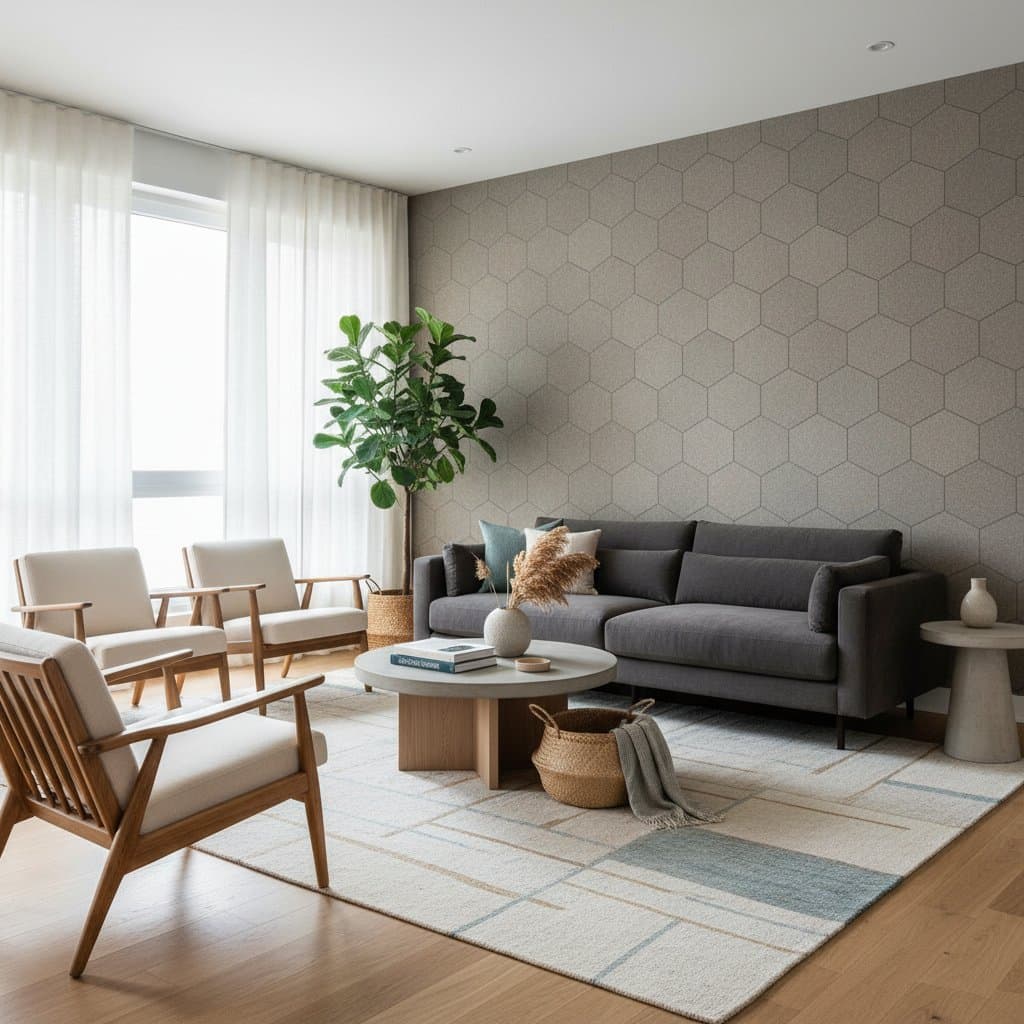
Entering a room that sounds peaceful conveys an immediate sense of ease. The air feels softer, and the mood remains steady. Acoustic panels achieve this effect through materials designed to capture sound waves before they rebound, thereby reducing echoes and background noise. Contemporary designs feature colors, fabrics, and shapes that integrate seamlessly into residential settings, unlike the bulky, utilitarian versions used in professional studios.
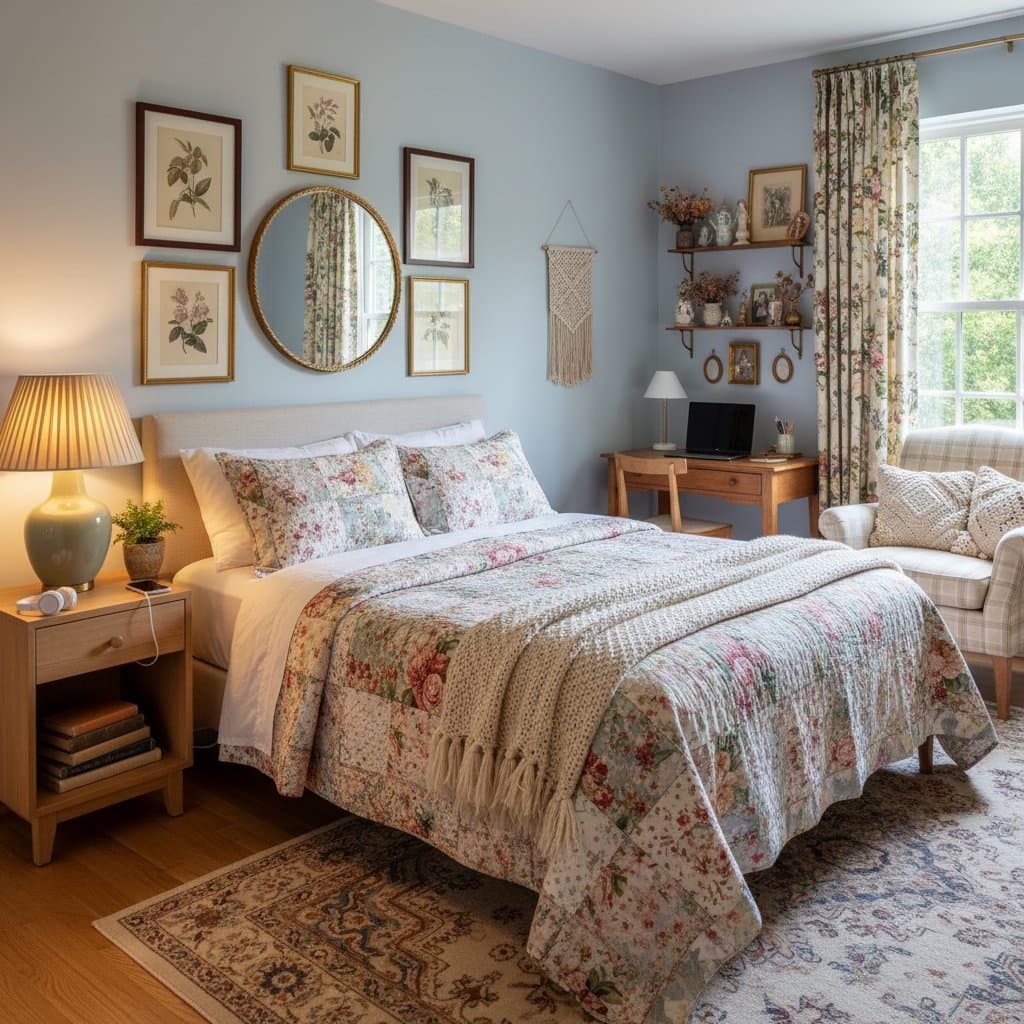
In a study corner, panels enhance focus by minimizing distractions. Dining areas become more conducive to conversation without competing sounds. Bedrooms promote deeper rest in quieter surroundings. These changes lower stress levels and make time spent at home more restorative. The panels operate discreetly, blending into the environment while enhancing every activity.
Style Meets Function
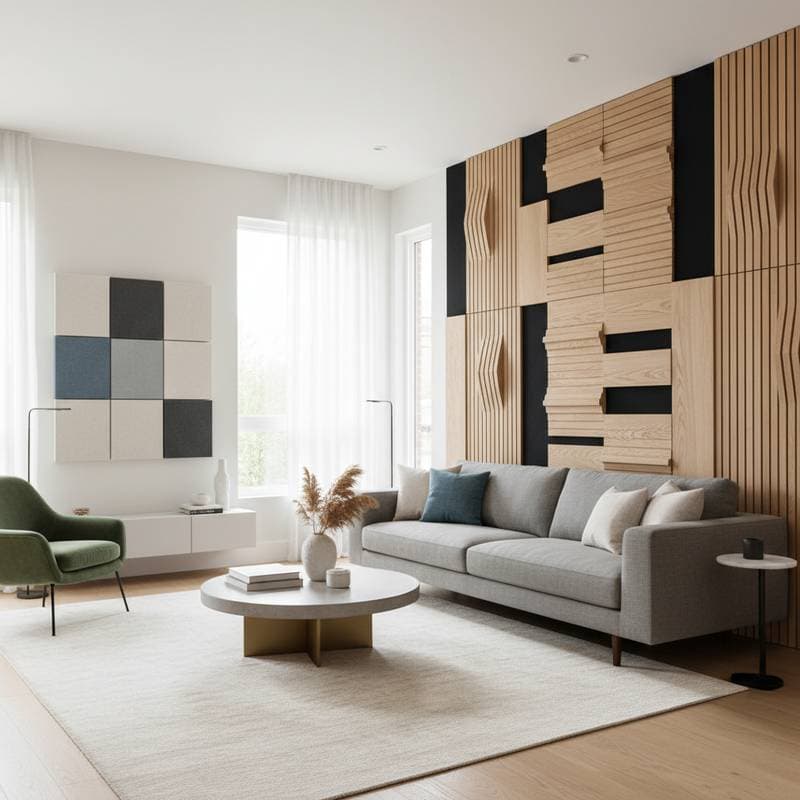
Acoustic panels combine practicality with aesthetic appeal, serving as integral design elements rather than mere functional tools. Options include panels wrapped in rich fabrics, geometric shapes that introduce rhythm to walls, or natural wood textures that provide warmth. This versatility allows customization to suit various interior styles.
In minimalist environments, neutral panels in slim profiles merge with walls to improve acoustics without drawing attention. Eclectic spaces benefit from bold colors or layered arrangements that serve as focal points. This dual role as both sound controllers and visual accents positions acoustic panels as essential components of modern home decor.
Where to Start
Identify rooms where noise disrupts comfort most. Prioritize areas such as:
- Living rooms, where conversations overlap with television or music.
- Home offices, where echoes interrupt concentration during calls or tasks.
- Bedrooms, where reduced noise fosters improved sleep quality.
- Dining areas, where hard surfaces like glass tables or tile floors amplify reflections.
Target one wall initially. A small number of panels alters the acoustic balance significantly. View the addition as an experiment, expanding based on observed improvements.
Choosing the Right Look
Selection depends on the desired atmosphere as much as acoustic performance. Consider these options:
- For cozy warmth, select fabric-covered panels in soft neutrals or deep earthy tones like taupe or forest green.
- For modern simplicity, choose slim panels in pale gray or white that align with wall colors.
- For artistic energy, combine varied shapes or alternate colors to form intentional patterns.
- For natural appeal, incorporate materials such as felted wool, cork sheets, or wood veneer finishes.
Frame panels like artwork or arrange them in larger compositions. Symmetrical layouts provide structure, while scattered clusters introduce dynamic movement. Balance visual interest with overall harmony to achieve cohesive results.
Installing with Ease
Lightweight construction makes most panels simple to mount using adhesive strips or small brackets. Renters appreciate removable options that avoid permanent alterations. Professional installers handle custom layouts for seamless integration with existing decor.
Before installation, evaluate the room's acoustics. Clap hands or speak normally to identify lingering sounds. Position panels in corners or near high ceilings to counter amplification. Placement behind sofas or adjacent to televisions mitigates harsh reflections effectively.
Everyday Benefits You Will Notice
Effects appear quickly after installation. Conversations become clearer without straining to hear. Music playback gains depth and clarity. The ambient hum of daily activities recedes, creating a more relaxed setting.
Practical gains extend to productivity and rest. Work sessions proceed with greater efficiency in focused environments. Sleep improves in serene bedrooms. Families experience mood enhancements as children's voices integrate smoothly, fostering comfortable shared spaces. Peaceful surroundings encourage gentler interactions throughout the home.
Small Steps Toward a Quieter Home
For those hesitant about full installations, introduce natural sound-absorbing elements first:
- Thick curtains or layered window treatments to dampen external noise.
- Upholstered furniture featuring soft, curved designs.
- Area rugs or hallway runners to cover hard floors.
- Fabric wall hangings or woven textiles for added texture.
These adjustments reveal subtle improvements. Acoustic panels then provide a more precise and enduring solution, elevating both comfort and style.
Overcoming Common Hesitations
Concerns about panels creating overly enclosed or silent rooms prove unfounded. They balance sound levels for comfort, not total elimination. Fears of industrial appearances overlook modern designs that harmonize with art, furniture, and textiles.
Budget limitations call for incremental approaches. Install one or two panels in high-impact areas for immediate benefits. Expand gradually, treating enhancements as an evolving project. This method builds a more intentional and soothing home over time.
Designing for Well-Being
Reduced noise in the home extends benefits beyond hearing. Mental clarity increases as distractions fade, allowing deeper conversations and enhanced creativity. The mind eases into focus, supporting overall emotional balance.
Design transcends visuals to encompass functionality. A visually appealing room with poor acoustics generates tension. Balanced spaces that harmonize sight and sound promote true relaxation. Acoustic panels facilitate this integration effectively.
Integrating Panels into Daily Life
After installation, heightened sound awareness emerges in various settings. Recognize overly loud or hollow areas to inform future adjustments. Select thicker textiles, position art to break echoes, or arrange furniture to optimize acoustics.
Panels integrate into the home's flow, enhancing peaceful interactions and restful evenings without fanfare. Their impact resides in felt comfort rather than visible prominence. This shift encourages ongoing refinements for sustained harmony.
Building Lasting Acoustic Harmony
Approach acoustic improvements incrementally. Select one room, listen attentively, and envision the ideal sound profile. Implement changes one at a time, from panels to complementary elements.
Incorporate this perspective into seasonal updates. Observe how quiet moments influence mood during mornings or evenings. Acoustic panels represent a practical method to infuse balance into everyday spaces. Each adjustment contributes to a grounded, comfortable home tailored to personal needs.