Acoustic Panels Blend Quiet Comfort With Living Room Style
Imagine settling into your favorite chair after a long day. The echo of the television and the hum of conversation make it hard to unwind. Your living room looks beautiful, but it sounds chaotic. Acoustic panels reshape how a space feels without sacrificing design. Homeowners now use these panels to turn living rooms into havens of calm.
The Challenge of Noise in Modern Living Rooms
Open layouts, hard flooring, and sleek furnishings amplify sound. A small gathering can create voices that bounce off walls and windows. Sound waves ricochet when they have nowhere to go. This creates fatigue and tension. Acoustic panels absorb excess noise while adding texture and warmth to decor.
Managing noise improves comfort in city apartments or suburban homes near traffic. Sound affects mood and focus more than many realize. A balanced acoustic environment supports relaxation, clearer conversation, and better sleep.
The Beauty of Dual Purpose Design
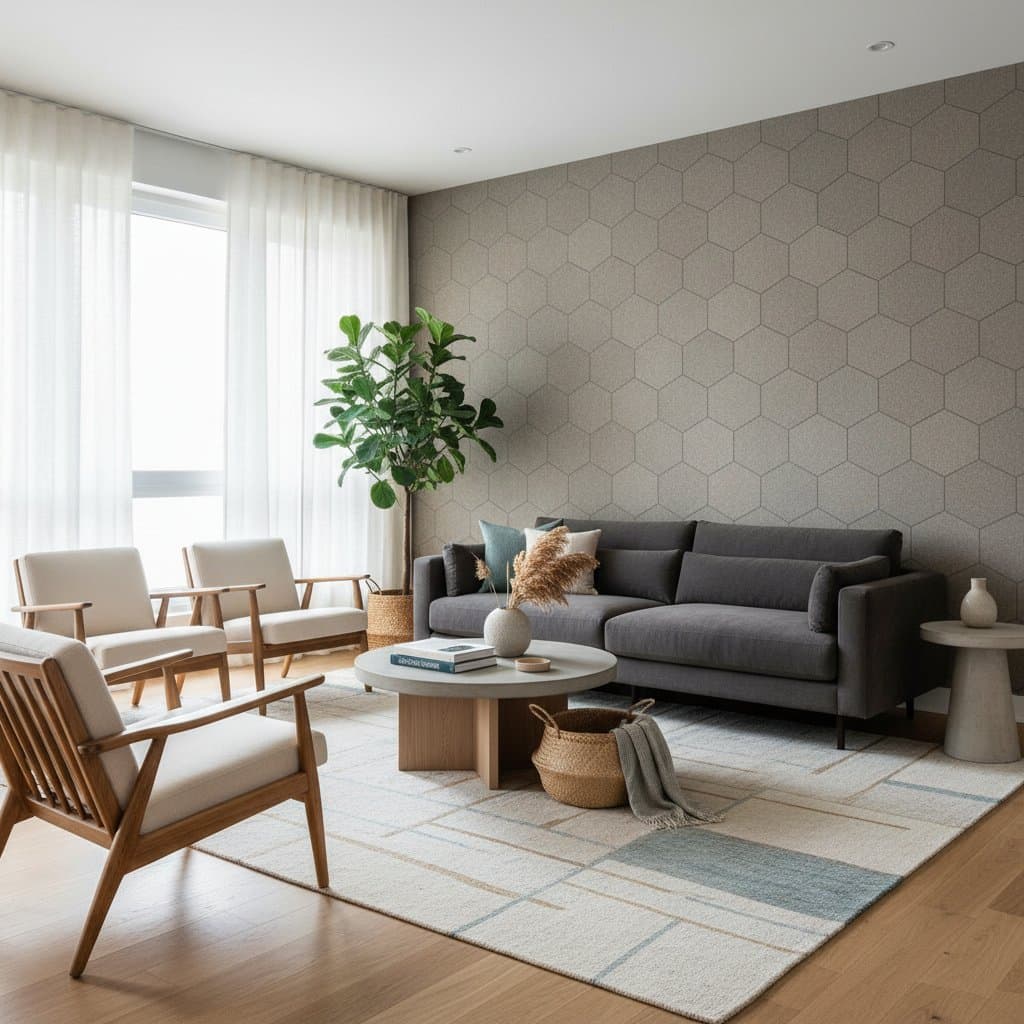
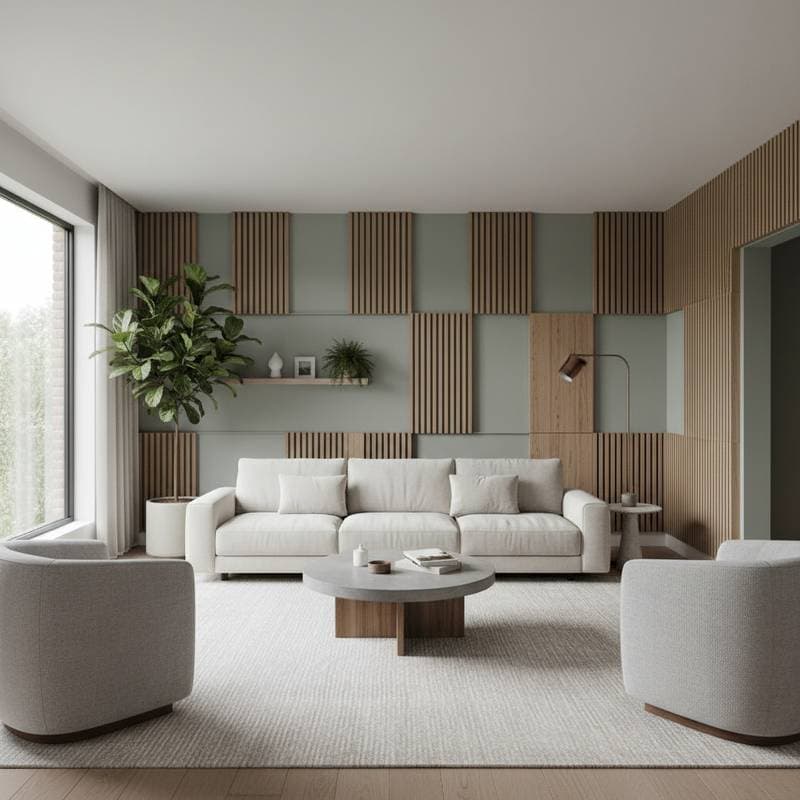
Acoustic panels now serve as art pieces and sculptural accents. Fabric panels mimic linen wall coverings. Wooden slats add depth and rhythm to a wall. Geometric patterns create focal points. These options merge sound control with visual intent.
Minimalist designs use slim panels in neutral tones that blend into the background. Bold tastes suit panels in jewel hues or printed fabrics. The range of choices lets you align acoustic solutions with existing style.
How Acoustic Panels Work
Acoustic panels absorb sound energy before it bounces back. Each panel contains dense, porous material such as mineral wool, foam, or recycled fiber. Sound converts vibration into heat that dissipates. The result is less echo and clearer dialogue.
Placement behind seating areas or near entertainment centers works best. Ceilings can host treatments in rooms with high vaults. A few well positioned panels create a noticeable difference.
Selecting the Right Panels for Your Space
Every living room has its own acoustic needs. Rooms with tall ceilings and tile floors require more absorption than those with curtains and rugs. Consider these factors when choosing panels.
- Material and Density: Heavier materials absorb lower frequencies. Lighter foams handle mid and high tones. A mix provides balanced control.
- Size and Quantity: Start with a few panels. Add more only as needed to avoid a flat sound.
- Aesthetic Integration: Select colors and textures that complement or contrast your decor. Custom fabric wrapping matches upholstery or rugs.
- Mounting Options: Adhesive strips suit light panels. Rails or brackets secure heavier ones. Renters can use freestanding screens.
- Budget and Quality: Basic foam panels cost less per square foot. Designer wood or fabric versions cost more. Compare options based on performance needs.
Step by Step Installation
Assess the room first. Stand in the center and clap your hands. Note areas with sharp echoes. Plan an even layout across walls rather than clustering panels. Wipe surfaces clean before mounting. Follow manufacturer instructions for secure attachment. Test sound by playing music or a podcast. Adjust placement until the room feels balanced.
Practical Considerations for Cost and Upkeep
Treatments fit many budgets. A basic installation may cost a few hundred dollars. Custom full wall designs reach into the thousands. Check for fire resistance in living spaces. Vacuum panels gently or wipe with a soft cloth. Choose moisture resistant cores in humid climates to prevent warping.
Adapting Panels to Local Conditions
Coastal homes benefit from moisture resistant materials. Dry climates suit fabric panels that soften brittle acoustics. Large windows or concrete walls need extra absorption near reflective surfaces. Materials and placement should match regional building styles.
Creating Your Ideal Sound Environment
Acoustic panels can blend into the background or stand out as features. Wrap them in matching curtain fabric for subtlety. Add backlighting to turn them into ambient art. The result is a space where sound and sight work together. Conversations flow naturally. Music sounds rich. Silence feels comfortable rather than empty.