Acoustic Panels: Blending Function and Style in Living Rooms
Imagine sinking into your favorite chair with a hot drink in hand, only to have your words bounce back from the walls. The TV drones softly, dishes clink in the background, and what should be a relaxing space turns into a chamber of unwanted noise. Acoustic panels solve this problem by serving as both practical tools and stylish accents that restore calm to your home's sound environment.
Open-plan homes with large windows and hard surfaces often amplify everyday sounds. Smooth floors and minimal soft furnishings allow echoes to linger, creating subtle stress over time. Acoustic panels capture these excess sound waves, enabling conversations to flow clearly and background noise to fade naturally.
Grasping Echoes in Home Settings
Contemporary rooms feature hard materials that turn spaces into echo amplifiers. Tile or hardwood floors, large glass areas, and limited cushions extend sound travel, gradually eroding relaxation and concentration. Pinpoint key reflection spots, like walls opposite noise sources such as speakers or seating areas, to place panels effectively.
Many people ignore these issues until they experience a quieter room. Sound-treated areas improve audio clarity, eliminating the urge to speak louder. By diffusing and absorbing waves, panels establish natural sound balance that boosts comfort and mental focus.
The Shift Toward Home-Friendly Acoustic Solutions
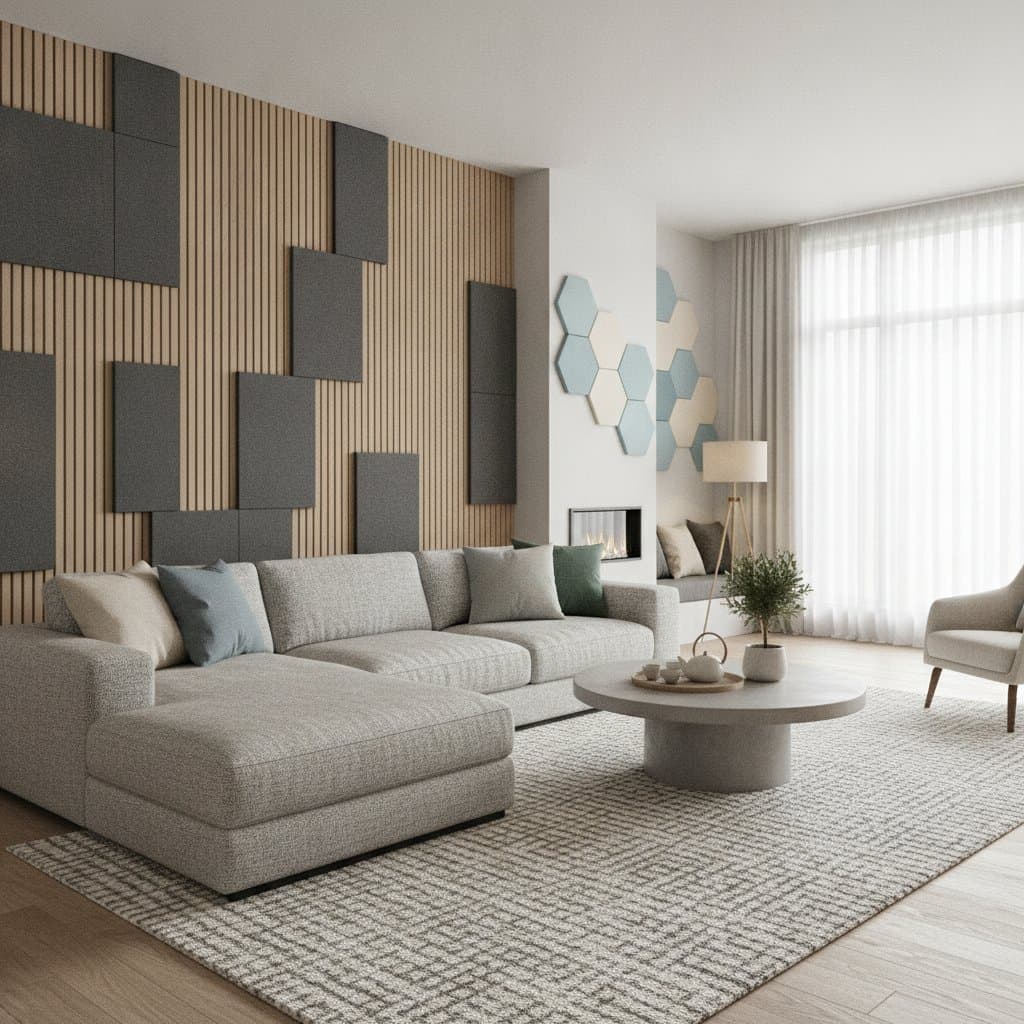
Once limited to recording studios and offices, acoustic panels now fit effortlessly into home decor. New materials offer choices in soft fabrics, natural woods, and composite textures that balance looks with sound control. Some designs even resemble framed art, matching your room's color palette and style.
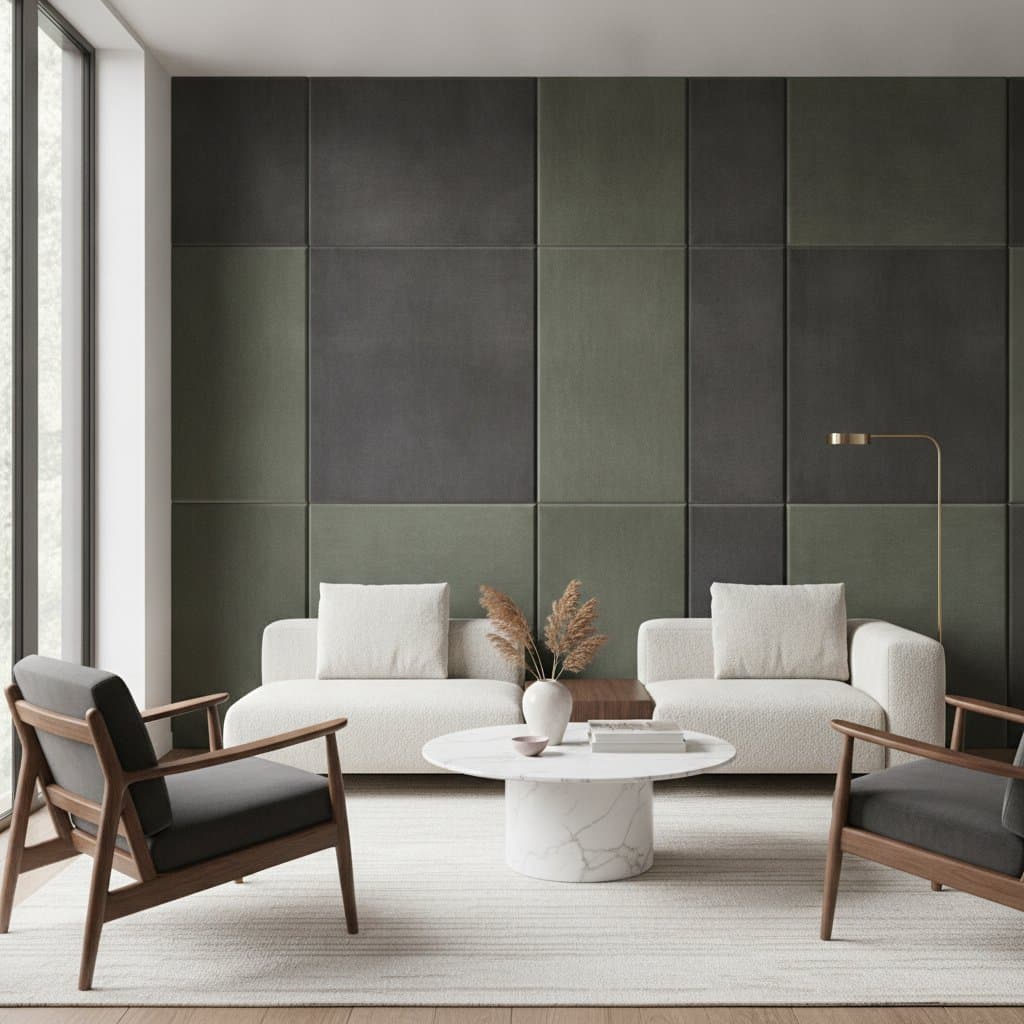
Flexible installation options make these panels accessible. A large single panel can act as a statement piece, while grouped ones create mural-like effects. This combination delivers visual interest alongside noise reduction, with users often noting the instant sense of refined tranquility.
Strategies for Seamless Acoustic Integration
Integrate panels strategically to maintain a warm, inviting feel rather than a sterile one. Target high-traffic spots like media corners or seating clusters. Measure your room and observe sound patterns to calculate needs; covering 20 to 30 percent of wall space typically yields clear improvements.
Framed Fabric Panels
These panels look like oversized artwork, with customizable fabrics that coordinate with your sofa or curtains. Choose breathable materials that allow sound to reach the absorbent backing. Place them near sound sources, such as behind a TV, for focused results.
Dust them lightly to keep both aesthetics and performance intact. They work well in classic or eclectic rooms, merging tradition with modern sound management.
Wood Slat Panels
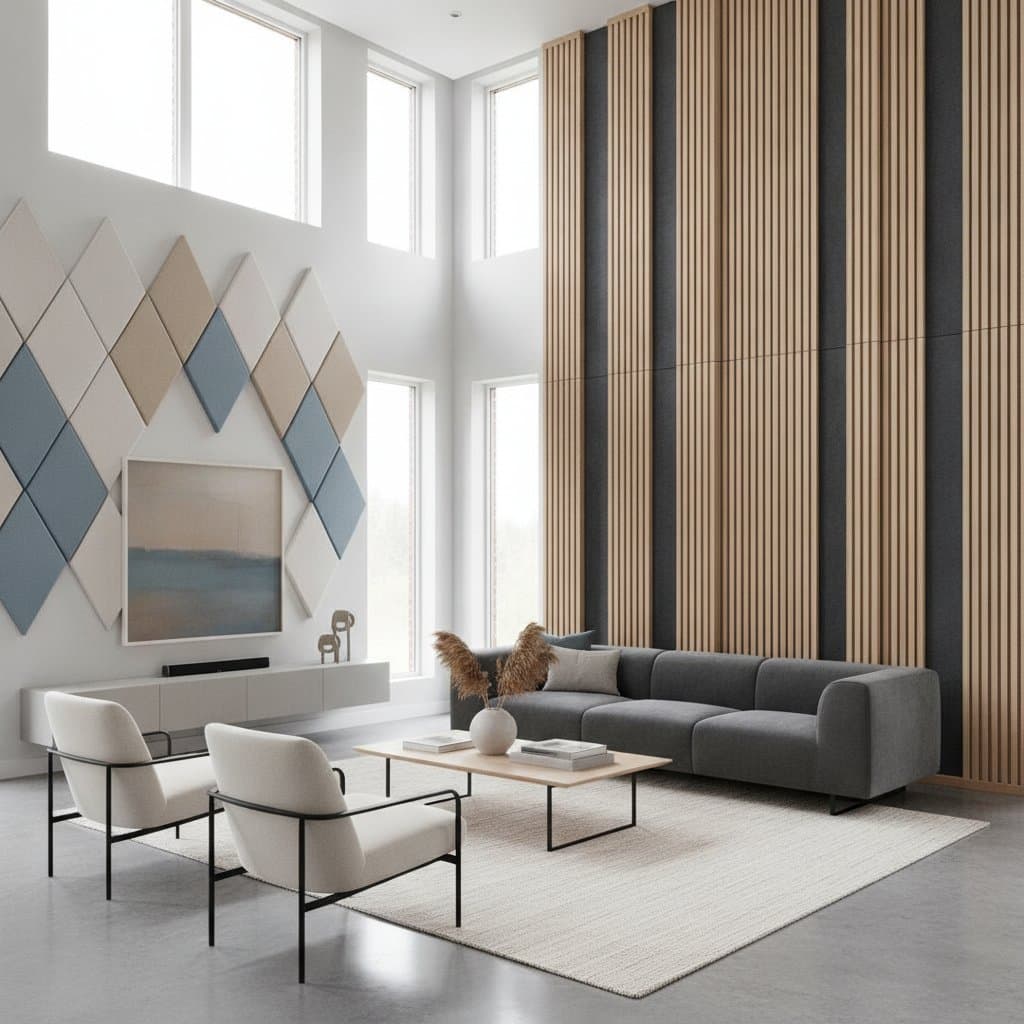
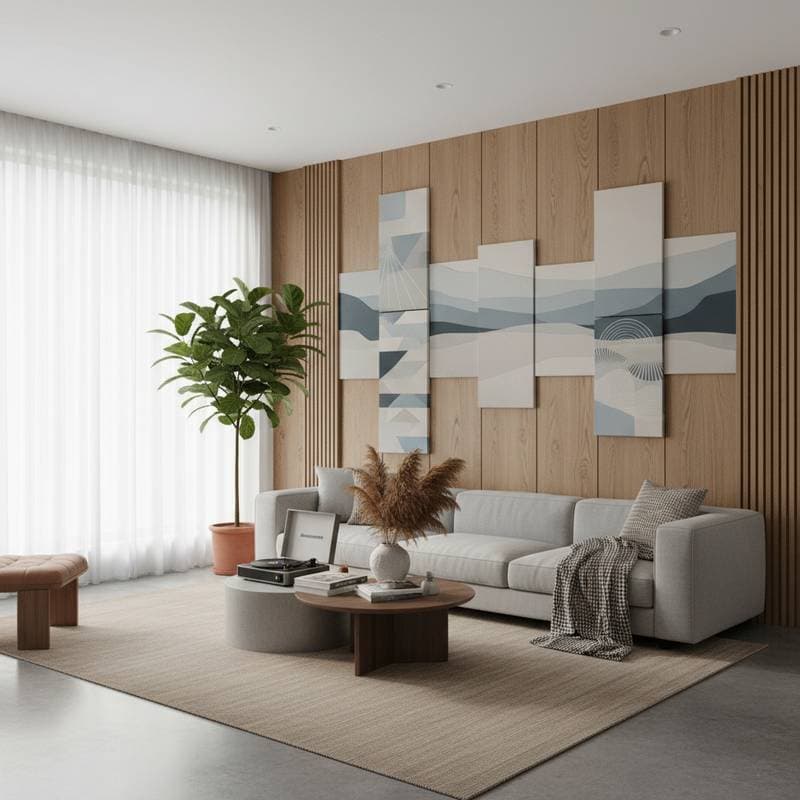
For a natural touch, wood slat panels feature aligned strips over sound-absorbing layers. They add warmth and texture to plain walls, reducing harsh echoes while expanding the sense of space. Install them vertically to lift the eye and ease low-ceiling feelings.
Source eco-friendly woods to align with sustainable practices. Beyond quieting noise, they create a welcoming vibe perfect for everyday gatherings.
Modular Felt Panels
Felt tiles provide easy customization through interlocking pieces for unique wall designs. Play with colors or shapes to match your vision. Their peel-and-stick backs allow simple setup and rearrangement as preferences change.
Opt for denser felt in louder rooms for better absorption. This approach engages creativity, resulting in a personalized acoustic setup that adapts over time.
Ceiling-Mounted Acoustic Clouds
When walls are limited, suspended ceiling panels offer broad sound capture. Hung from wires or rails, they float like art installations and tackle overhead echoes. Use them in open areas that combine living and cooking spaces.
Secure them firmly and consider adding underlighting for visual appeal. Their subtle placement delivers lasting calm without drawing attention to the function.
Custom-Printed Panels
Bring personal flair with panels printed in high-resolution images on absorbent bases. Select from bold abstracts to landscape scenes, ensuring designs suit your wall's scale. They turn empty walls into expressive focal points that quietly manage sound.
Check print quality to avoid blurring on larger sizes. Perfect for accent walls, they blend art and utility seamlessly.
Everyday Advantages of Acoustic Treatments
Lingering noise affects emotions and efficiency at home. Echo-filled rooms can increase frustration, leading to louder TV volumes or strained talks. Panels counter this by fostering balanced sound that eases tension and supports focus.
Clearer audio enhances activities like chatting or enjoying music, where details stand out without distortion. Even quiet moments feel richer, absent unwanted echoes. These changes build a supportive space for rest and relationships.
Key Steps for Installation
Many panels attach easily with adhesive hooks or strips. Check your walls first; lightweight options suit drywall, while anchors work for concrete. Position them across from noise origins, like opposite a couch facing the entertainment center.
Try temporary setups to test layouts before committing. Consult experts for tricky installations, especially in leased spaces, to meet safety standards. The upfront effort pays off with long-term peace, as panels endure for years with basic care.
Maintaining Your Sound-Balanced Space
After setup, notice how habits shift: volumes drop on devices, saving energy, and talks become more personal without competing noise. Everyday sounds, like page turns or light switches, gain pleasant clarity.
Care involves soft vacuuming and shielding fabrics from sun exposure. Reassess periodically as you add or remove furniture. This maintenance ensures ongoing acoustic comfort that enriches daily life.
Building Lasting Home Serenity
Acoustic panels offer subtle upgrades that redefine living spaces. They combine utility with design, adaptable to modern minimalism or warm rustic styles, encouraging creative applications.
The change runs deep, shifting chaotic sound into harmonious quiet. Residents find deeper value in still moments, where surroundings match their need for calm. In essence, these treatments highlight how deliberate sound design nurtures well-being.