Blending Style and Silence: Acoustic Fabric Walls
Consider the frustration of settling into a quiet evening only to hear lingering echoes from distant conversations or footsteps overhead. Such persistent noise disrupts even the most elegant interiors. Acoustic fabric walls address this issue effectively, absorbing sound while introducing texture, warmth, and deliberate design elements that enhance both comfort and appearance.
These panels prove ideal for home offices, media rooms, or bustling living spaces where serenity matters. They restore balance without compromising visual appeal. Explore the key features, essential considerations, and practical impacts that make acoustic fabric walls a worthwhile investment.
Key Features: Quiet Style in Action
Examine six essential elements that combine acoustic performance with aesthetic refinement. Each contributes to superior sound control and visual harmony.
1. Stretch-Fabric Wall Systems
Stretch-fabric systems employ tracks to tension fabric over acoustic cores, yielding a sleek, integrated surface. This approach resembles bespoke architectural elements while functioning as efficient sound absorbers. Select fabrics to align with existing paint colors or introduce vibrant patterns for emphasis. A significant advantage lies in the ability to replace fabrics without extensive renovations, allowing updates akin to changing wardrobe accessories.
2. Framed Acoustic Panels
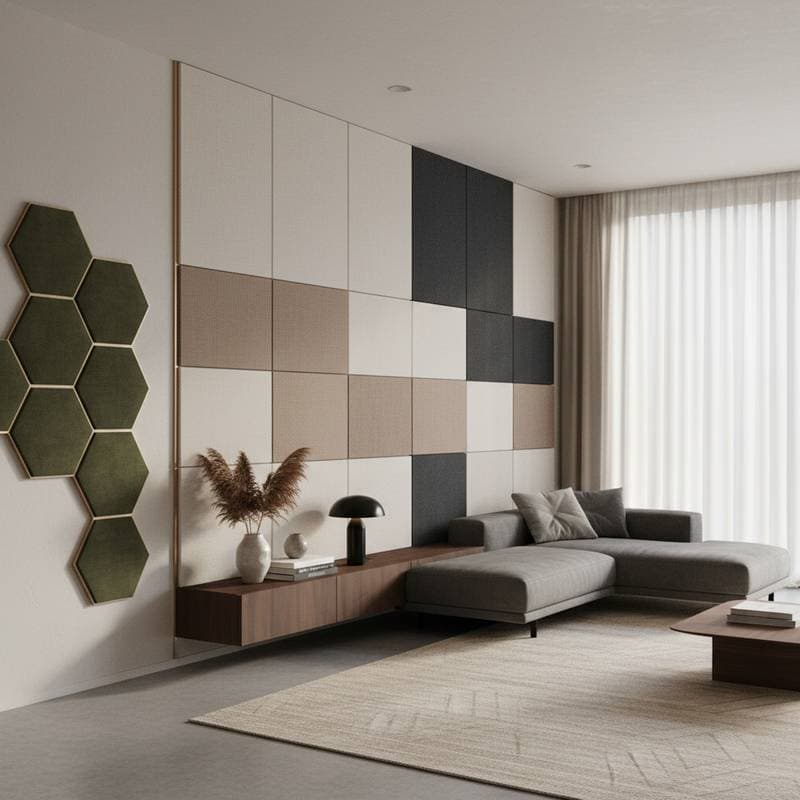
Framed panels offer versatility for installation, relocation, or reconfiguration. They feature fabric-wrapped edges and harmonious color schemes, often resembling framed artwork. Many users report that visitors initially perceive them as decorative pieces until the improved room acoustics become evident. Such panels suit renters or those who frequently rearrange interiors.
3. Textured Fabric Options
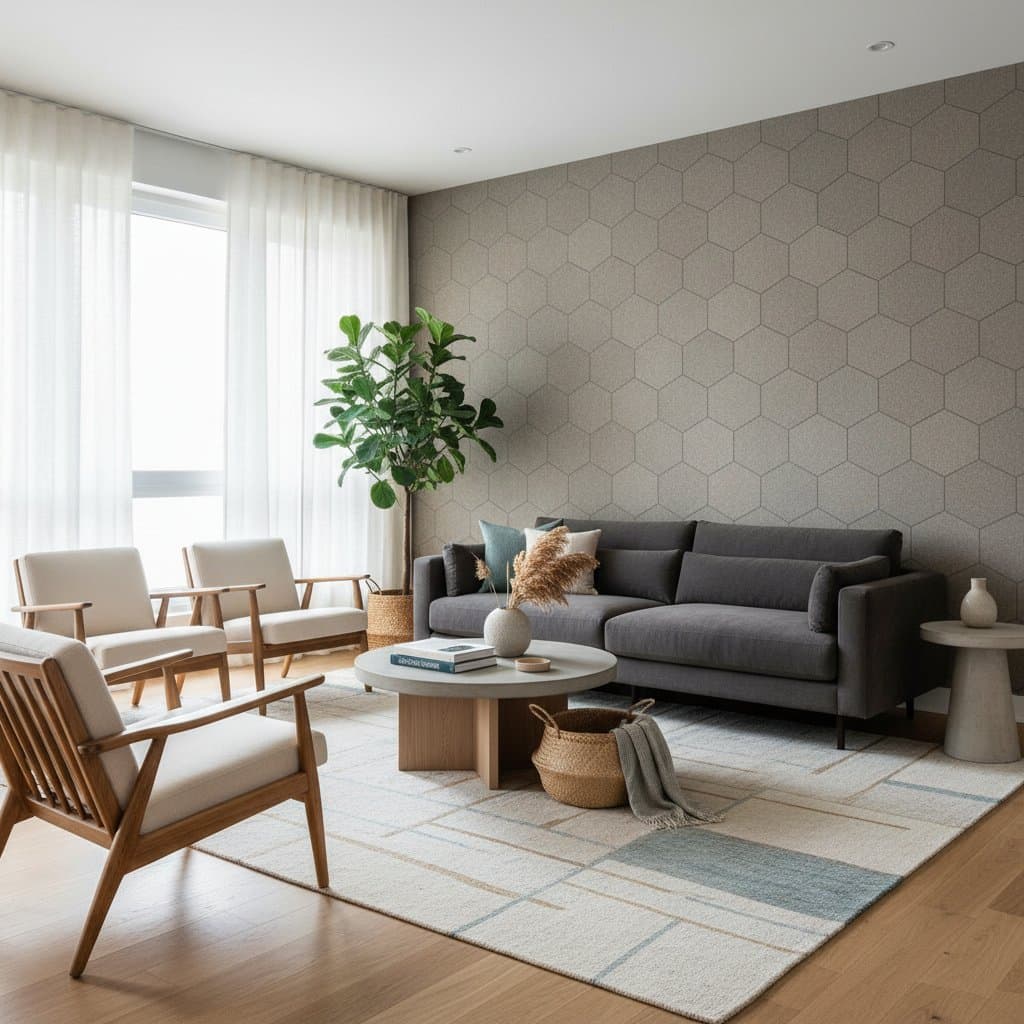
Texture elevates both form and function. Options like nubby weaves, soft felts, or ribbed patterns diffuse light attractively and expand the surface area for enhanced sound capture. Envision a wall that evokes the tactile comfort of fine wool, providing subtle luxury through its inviting presence.
4. Seamless Edges and Finishes
Precision in seams and edges distinguishes professional installations. Concealed seams ensure a fluid wall expanse, while meticulous detailing around outlets and trim maintains sharpness. These subtle refinements elevate the overall execution.
5. Purposeful Color Selection
Colors in acoustic fabrics can recede into the background or serve as focal points. Neutral shades promote openness, whereas richer tones foster coziness. In expansive layouts, strategically placed color-blocked panels delineate areas discreetly. Designers recommend extending fabric around corners to smooth spatial transitions visually.
6. Layered Lighting and Art Integration
Advanced systems incorporate subtle lighting that grazes the fabric surface, accentuating textures and modulating ambiance. Alternatively, panels act as mounts for artwork, merging auditory and visual benefits seamlessly. This layered approach conveys thoughtful curation rather than utilitarian design.
Practical Advantages
Acoustic specifications may appear complex, yet the real-world gains resonate immediately.
- Conversations gain clarity as echoes diminish, enabling natural speaking volumes without effort.
- Ambient sounds from appliances, steps, or external sources reduce to tolerable levels.
- Audio experiences, from live music to streamed content, achieve greater depth and equilibrium.
- Focus sharpens in workspaces, with minimized reverberation cutting distractions.
- Interiors gain a welcoming softness that rigid surfaces lack.
Collectively, these enhancements foster a profound sensory improvement in daily environments.
Integrating Acoustic Fabric Walls into Daily Life
After installation, acoustic fabric walls integrate unobtrusively into routines. Their presence enhances without drawing focus, though their effects stand out in untreated areas. Maintenance remains straightforward: gentle vacuuming or lint removal suffices for most surfaces, while framed options respond well to light damp wiping.
For new constructions, incorporate acoustics during initial planning. Place panels opposite reflective elements such as windows or tiled surfaces to maximize efficacy. In established spaces, prioritize walls behind primary seating or audio sources. Partial applications often yield noticeable results.
Home theaters benefit from panels positioned behind screens or along side walls, delivering immersive sound without cumbersome alternatives. Bedrooms gain from fabric-covered headboards that buffer noise effectively. Office setups improve with panels behind desks, ensuring clear virtual communications. One professional noted that such treatments rendered their workspace akin to a professional recording environment.
Achieving Harmony Between Form and Function
Effective acoustics operate invisibly, prioritizing comfort over visibility. Integrate treatments to emphasize ambiance first. Consider these strategies for equilibrium.
- Align fabrics with room character: linen suits relaxed lounges, while velvet or wool enhances formal settings.
- Combine textures: pair fabric panels with glossy paints for dynamic contrast.
- Vary panel dimensions: expansive sheets convey modernity, segmented frames introduce rhythm.
- Incorporate into cabinetry: fabric insets within woodwork yield sophisticated results.
- Apply selectively: a single accent wall provides ample acoustic and stylistic lift.
Subtlety ensures the design feels cohesive and purposeful.
Addressing Common Concerns
Misunderstandings persist regarding acoustic fabric walls. Dispel these to inform choices confidently.
- Claims of commercial aesthetics no longer hold: residential textiles, discreet mounting, and tailored framing rival premium finishes.
- Installation complexity has diminished: track-based or modular designs enable swift professional setup.
- Costs vary, yet modest beginnings prove effective: targeted panels deliver substantial acoustic gains.
- Dust accumulation worries prove unfounded: treated fabrics mimic upholstery in cleanability, sustaining freshness with routine care.
Direct experience typically solidifies their value.
Realizing the Transformative Impact
With reduced noise, spaces reveal nuanced qualities: effortless voice projection, assured design poise. Acoustic fabric walls elevate living subtly yet profoundly.
Identify echo-prone areas first, then select a wall for dual acoustic and decorative roles. Choose fabrics that harmonize with your scheme, opting for seamless or modular formats. Engage specialists versed in acoustics and detailing for optimal results.
Pause afterward to absorb the change. Silence emerges not as void, but as refined clarity and potential, where each element contributes to an environment of poised tranquility.