Creating Tranquil Spaces: Acoustic Decor for Elegant Sound Management
A serene home environment offers profound luxury through its calm and restorative qualities. In contemporary residences, hard surfaces such as polished floors, high ceilings, and glossy finishes often amplify echoes, disrupting tranquility. Fortunately, effective sound absorption can integrate seamlessly with aesthetic preferences, allowing individuals to reduce noise while preserving visual harmony.
The Impact of Sound on Daily Living
Ambient noise subtly depletes vitality. Persistent sounds from urban traffic, adjacent residences, or household activities hinder concentration and relaxation. Spaces that manage acoustics thoughtfully foster a sense of equilibrium, where subtle noises like the gentle boil of water or the turn of a book page become more appreciable. Strategic acoustic elements influence sound propagation, thereby enhancing overall comfort.
Aesthetic Innovations in Acoustic Design
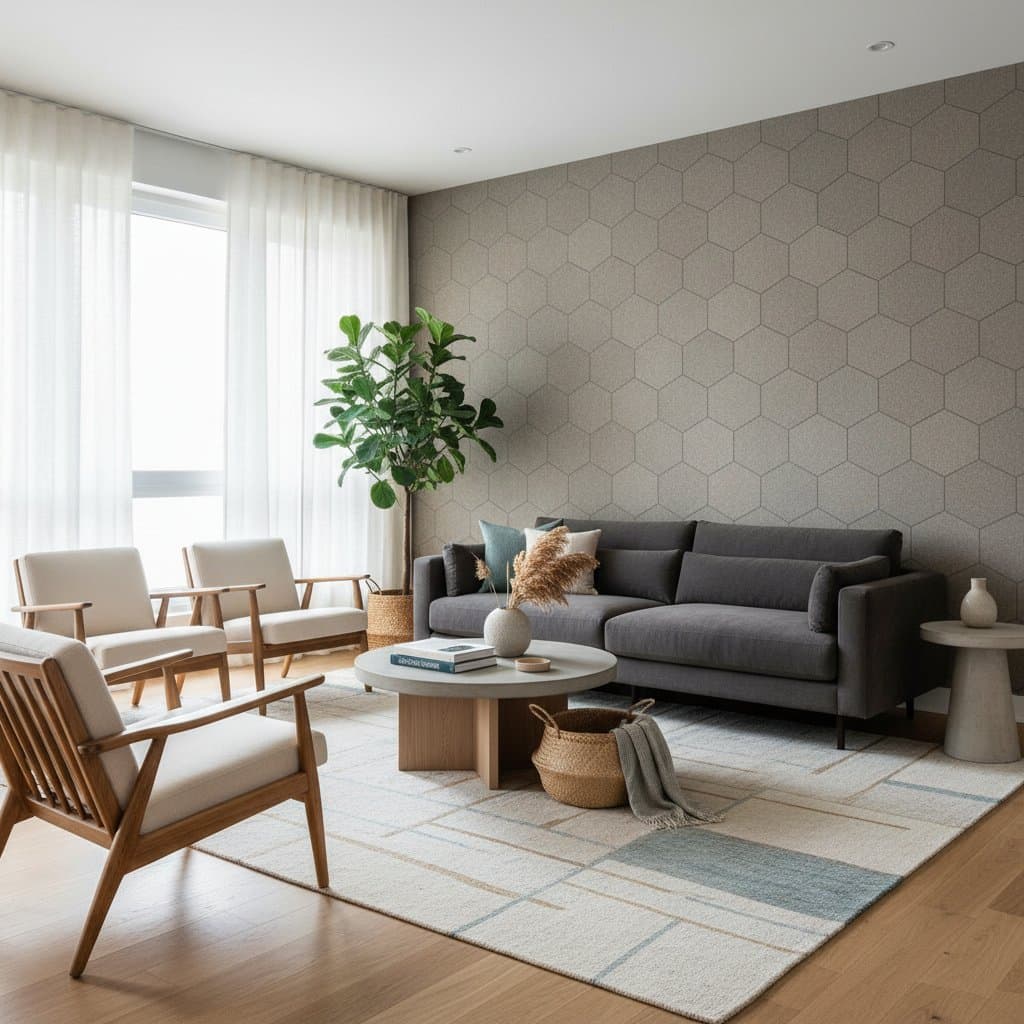
Contemporary acoustic solutions extend well beyond utilitarian foam installations. Artisans develop visually compelling options, including wall panels in warm wood finishes, intricate woven fabrics, or molded felt sculptures. Elements such as heavy curtains, layered area rugs, and cushioned seating naturally mitigate reverberations. Subtle additions, including fabric-covered lampshades or patterned throw pillows, contribute to sound diffusion without overt intervention.
View acoustic enhancements as cumulative layers. Individual components modestly attenuate noise, yet their combination yields a harmonious auditory landscape. The objective remains balanced acoustics rather than absolute quietude; an optimized room pulses with life yet avoids auditory overload.
Practical Steps to Implement Acoustic Features
Initiate changes incrementally to observe progressive improvements without extensive overhauls.
- Incorporate plush flooring and window treatments. Select a dense wool rug for high-traffic areas or floor-length linen curtains to immediately capture and dissipate sound waves.
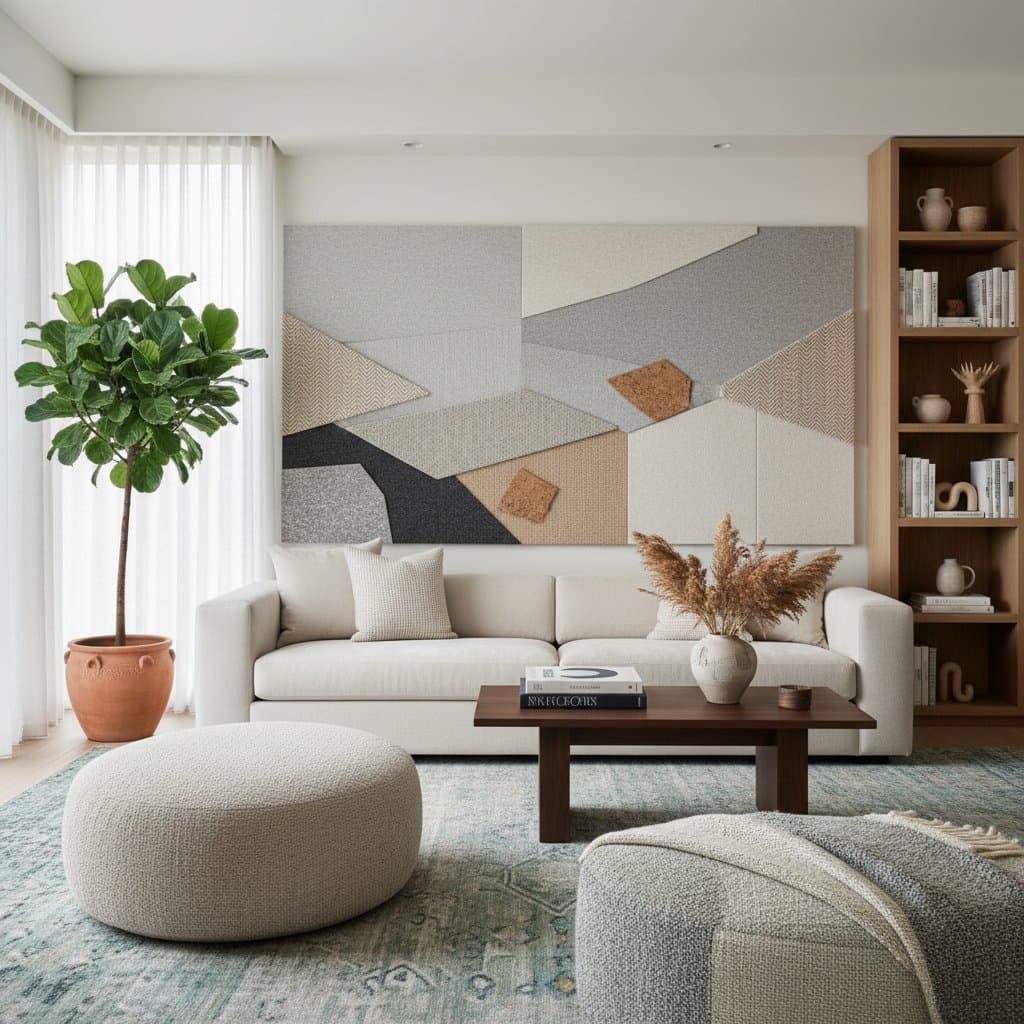
- Install decorative acoustic panels. Opt for fabric-upholstered or felt-clad versions that resemble abstract artwork or modular grids, available in sizes from 24 by 36 inches to full-wall applications.
- Enhance furniture with sound-absorbing upholstery. Choose sofas and armchairs in velvet or chenille fabrics with at least four-inch-thick cushions to trap echoes effectively.
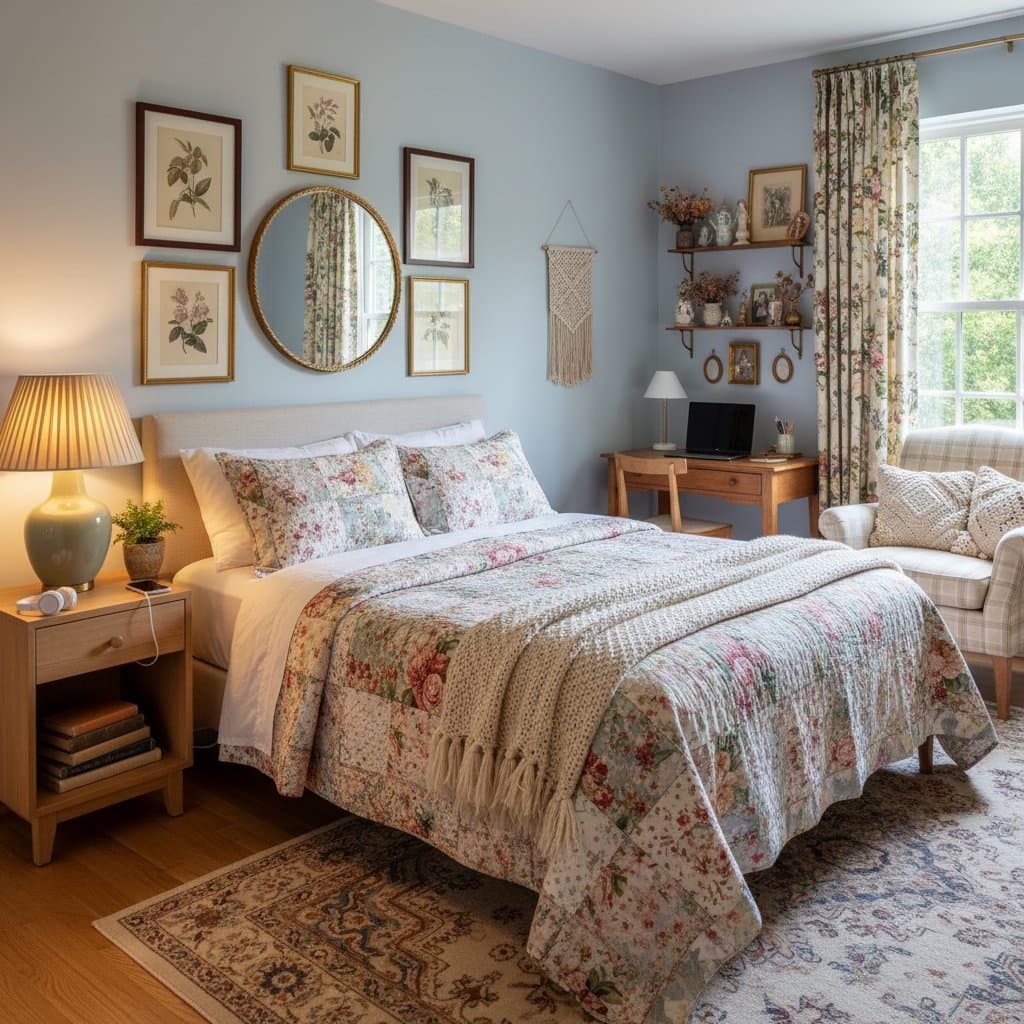
- Integrate varied textiles throughout. Employ wool throws on beds, cotton runners on tables, and tapestry wall hangings to create multifaceted sound barriers.
- Select functional lighting with acoustic properties. Consider overhead pendants featuring acoustic felt diffusers or clustered globe fixtures wrapped in soft muslin for dual illumination and noise reduction.
Such modifications require minimal time, often completable over a single weekend, and profoundly alter spatial perception. Ambient air feels less resonant, dialogues gain intimacy, and atmospheres promote ease.
Selecting Materials for Acoustic and Visual Harmony
Organic substances provide dual advantages in comfort and sound control. Wool felts, cork underlays, and bamboo composites excel at vibration absorption while complementing diverse aesthetics, from sleek modernism to warm earth tones. Textured fabrics like boucle loops or linen weaves scatter sound frequencies without visual bulk. Experiment with combinations, such as pairing cork-backed artwork with woolen partitions, to suit specific room dynamics.
For bespoke integrations, commission panels embedded within built-in shelving, upholstered headboards, or recessed wall features. These solutions yield fluid transitions between form and utility. In expansive layouts, freestanding acoustic screens crafted from perforated wood or layered fabrics delineate areas while maintaining acoustic equilibrium across zones.
Cultivating Intentional Acoustic Environments
Attuning to auditory influences reshapes spatial awareness. A thoughtfully acoustic home encourages deliberate pacing, deeper respiration, and stronger environmental connections. It underscores that true ease encompasses both visual and sonic dimensions.
Steps to Achieve Acoustic Balance
Prioritize a single room for initial assessment. Dedicate time to observe sound patterns, noting areas of echo or clamor. Introduce one absorbent feature weekly, such as a strategically placed rug or suspended fabric element, and evaluate the transformation. Gradually accumulate elements until the space achieves sonic poise.
An acoustically refined home nurtures mental clarity and subtle repose. Through deliberate additions, environments evolve to embrace tranquility, reflecting calm in every resonance.