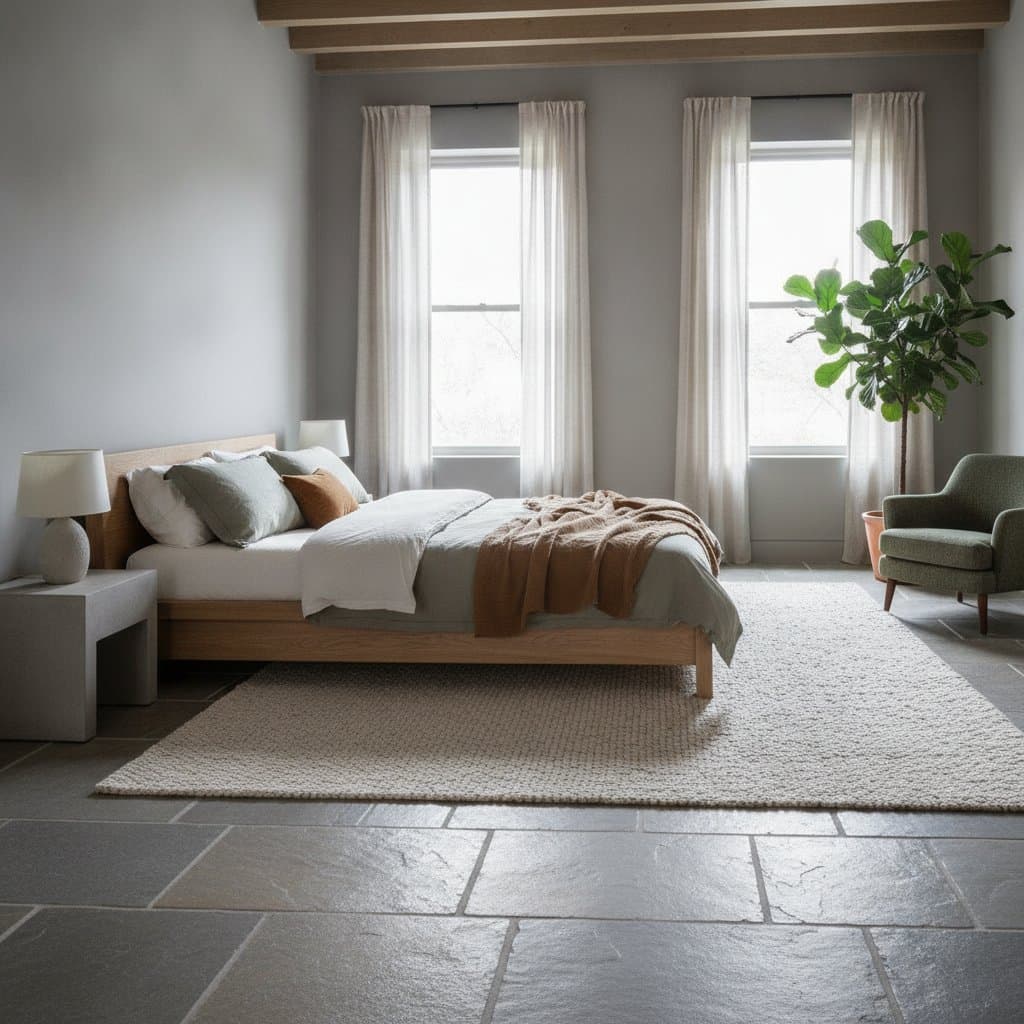
How Grounding Floors Enhance Bedroom Wellness
The bedroom serves as the primary space for bodily restoration. Every element within it, from surfaces to ambient sounds, either aids or hinders this vital process. In recent years, interior designers have increasingly examined the impact of flooring selections on rest, emotional state, and circadian rhythms. A particularly compelling advancement involves grounding floors, which are engineered surfaces that reestablish the body's link to the earth's inherent electrical charge. When combined with purposeful materials and layered elements, these floors redefine home wellness practices.
Grounding, also known as earthing, rests on a straightforward concept. The earth maintains a gentle, steady negative charge capable of countering free radicals within the human body. Direct contact with the ground through barefoot walking facilitates this beneficial transfer outdoors. However, typical indoor environments, with their insulating materials, sever this connection. Grounding floors and complementary earthing mats counteract this disconnection by incorporating conductive elements or coatings that enable the exchange indoors. Homeowners frequently report outcomes such as more profound sleep and serene awakenings, supported by emerging scientific insights.
At a Glance
Primary Beneficiaries: Individuals pursuing improved sleep patterns, lowered stress levels, and stronger ties to natural surroundings
Ideal Applications: Bedrooms, dedicated meditation areas, and serene reading nooks
Scalability: Effective across rooms of varying sizes, with heightened impact in areas involving extended barefoot exposure
Influential Designers: Wellness-oriented professionals like Lila Moreno and eco-material expert David Cho
Core Materials: Conductive wood treatments, integrated copper grids, earthing pads beneath rugs, and carpets woven from natural fibers
Addressing Underfoot Challenges in Traditional Bedrooms
Conventional bedroom floors often function solely as aesthetic foundations, overlooking their potential for health support. Synthetic carpets and sealed wood panels tend to accumulate static electricity, harbor dust particles, and retain excess warmth. Such characteristics gradually foster sleep disturbances and exacerbate dry air conditions. Numerous residents remain unaware that their flooring choices may underlie persistent discomfort.
Interior designer Lila Moreno shares an experience with a client battling chronic insomnia and unease. "The space appeared aesthetically pleasing, yet all materials were synthetic," she explains. "After installing grounded oak panels and introducing breathable linen bedding, the client noted quicker sleep onset and reduced morning fatigue."
Prevalent drawbacks of standard bedroom flooring encompass:
- Static Accumulation: Pronounced in environments with low humidity levels
- Impaired Airflow: Synthetic padding confines heat and moisture, impeding natural ventilation
- Sensory Limitations: Rigid or glossy surfaces deter barefoot movement, which influences blood flow and natural grounding
These shortcomings have spurred the development of superior alternatives that prioritize functionality alongside visual appeal.
Essential Design Elements
Material Selections
- Oak or maple planks treated with grounding mineral oils for durability and conductivity
- Cork underlayment infused with conductive properties to provide cushioning and acoustic dampening
- Wool rugs embedded with silver or carbon filaments for subtle energy transfer
Hardware and Fixtures
- Subtle grounding terminals embedded along baseboards for seamless integration
- Adhesives free of harmful chemicals to sustain electrical conductivity
- Supplementary grounding sheets positioned beneath fitted sheets for prolonged nightly exposure
Spatial Arrangement and Movement
- Furniture layouts that preserve clear paths for unrestricted barefoot navigation
- Bed placement adjacent to grounded outlets to simplify mat or grid connections
Innovative Additions
- Adjustable lighting systems that minimize disruptive blue light emissions
- Concealed channels for grounding wires to uphold a streamlined appearance
- Humidity regulation via permeable finishes and strategic plant placements
Incorporating Grounding Floors into Current Spaces
Full-scale overhauls prove unnecessary for reaping grounding benefits. Various approaches allow integration at diverse investment levels and scopes.
Beginner Approaches
- Earthing Sheets: Positioned under beds or workspaces, linked securely to grounded electrical outlets
- Conductive Floor Coverings: Rugs crafted from wool threaded with silver or blended with carbon fibers
- Daily Barefoot Practices: Allocating time on innate surfaces such as untreated wood or cork to cultivate grounding routines
Intermediate Solutions
- Conductive Subflooring: Sheets of cork or rubber with grounding capabilities laid beneath present floors
- Enhanced Surface Treatments: Graphite or carbon-enriched oils applied to existing wooden elements
- Combined Configurations: Linking bed mats to conductive rugs for comprehensive contact during rest and activity
Comprehensive Overhauls
- Embedded Grid Networks: Copper or stainless-steel wiring installed under wood or stone surfaces
- Unified Grounding Routes: Planned from the outset of builds to ensure unobtrusive functionality
- Holistic Room Coordination: Aligning floors with complementary wall treatments, illumination, and textiles for an immersive wellness setting
Organization Strategies for Grounded Bedroom Environments
Optimal performance of grounding floors requires unobstructed surfaces and efficient airflow. The following tactics support this:
- Suspended Nightstands: Designs that elevate furniture, facilitating floor accessibility and maintenance
- Integrated Under-Bed Storage: Drawers featuring smooth, rounded contours to avoid impeding barefoot paths
- Natural Fiber Containers: Baskets for organizing laundry and bedding materials without synthetic interference
- Cord Routing Solutions: Trays that direct wiring away from active grounding areas
Such measures safeguard the floor's efficacy while promoting visual serenity and energy circulation.
Harmonizing Lighting with Grounded Materials
Illumination subtly influences the perception and efficacy of grounding floors. Soft, ambient light accentuates wood grains and fiber textures, amplifying the sense of natural linkage. Employing tiered options, including sconces and adjustable overhead units, creates an even radiance that aligns with natural sleep cycles.
Cohesive material choices further elevate the experience. Combining grounded timber with earthen wall plasters or linen window treatments fosters a unified tactile environment. This synergy enhances permeability and comforting warmth, both essential for restorative sleep.
Daily Integration and Upkeep
Following installation, grounding floors integrate seamlessly into everyday patterns. Residents commonly adopt spontaneous practices, such as morning stretches on the floor or bedside meditation sessions. The surface evolves from a mere base into a proactive wellness ally.
Upkeep remains straightforward. Clean with mild, soap-derived solutions, steering clear of synthetic polishes that compromise conductivity. Inspect wired components regularly for integrity. With use, the flooring acquires a gentle patina that deepens its authentic appeal.
User accounts highlight tangible gains, including enhanced sleep duration, diminished headaches, and an overarching tranquility. Although responses differ, the reconnection to terrestrial energy fields appears to benefit diverse individuals.
Steps to Implement Grounding in Your Bedroom
Grounding floors challenge conventional notions of comfort by emphasizing direct contact, material integrity, and deliberate design. From modest mats to elaborate systems, this approach reimagines recovery spaces. Begin by assessing your current setup and selecting an entry point that aligns with your wellness priorities for lasting rejuvenation.