Grounding Floors Connect Homes to Earth Energy
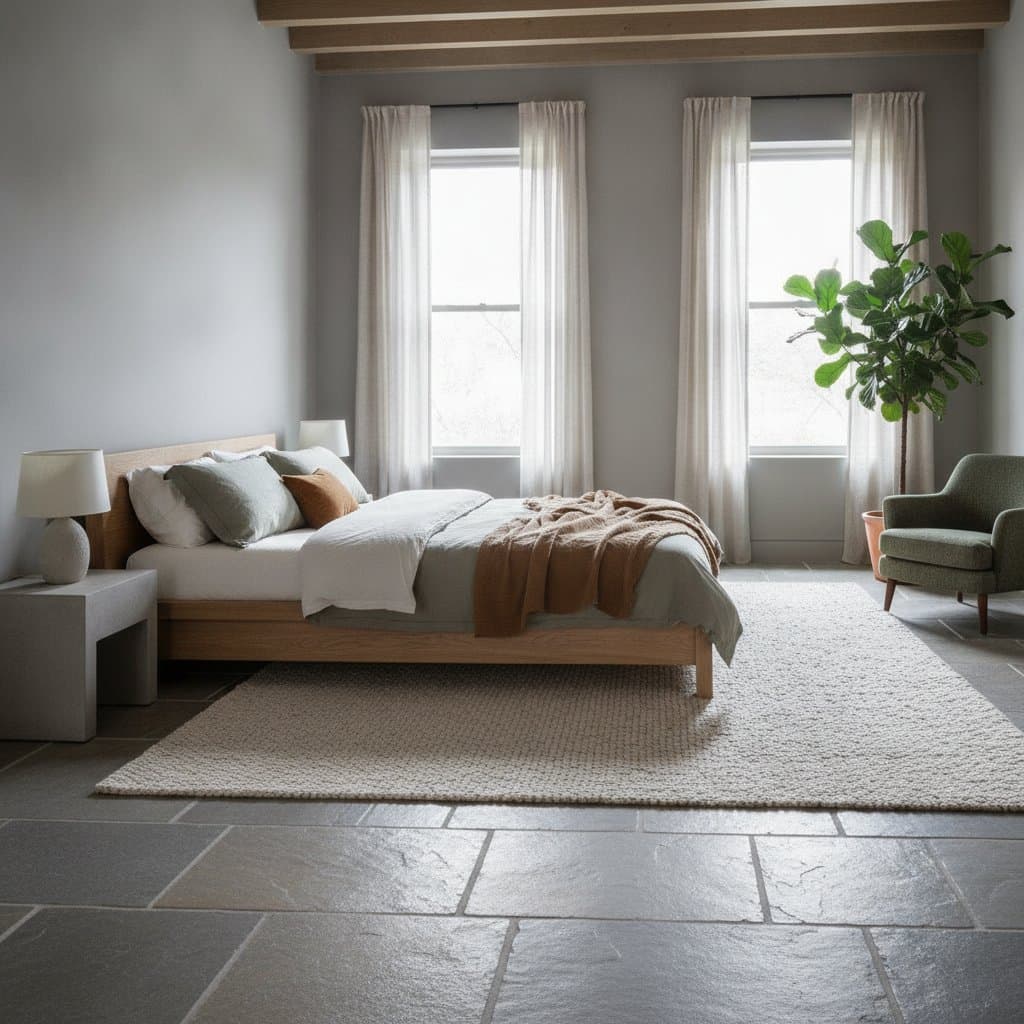
Home design typically addresses visual appeal, storage needs, and physical comfort. A newer approach adds a wellness dimension directly underfoot through grounding floors. These systems embed conductive mats within rugs, tiles, or subfloor assemblies to create a direct link to the earth electrical field. Walking barefoot on the surface allows the body to exchange electrons in the same manner as contact with soil.
Growing Interest in Conductive Flooring
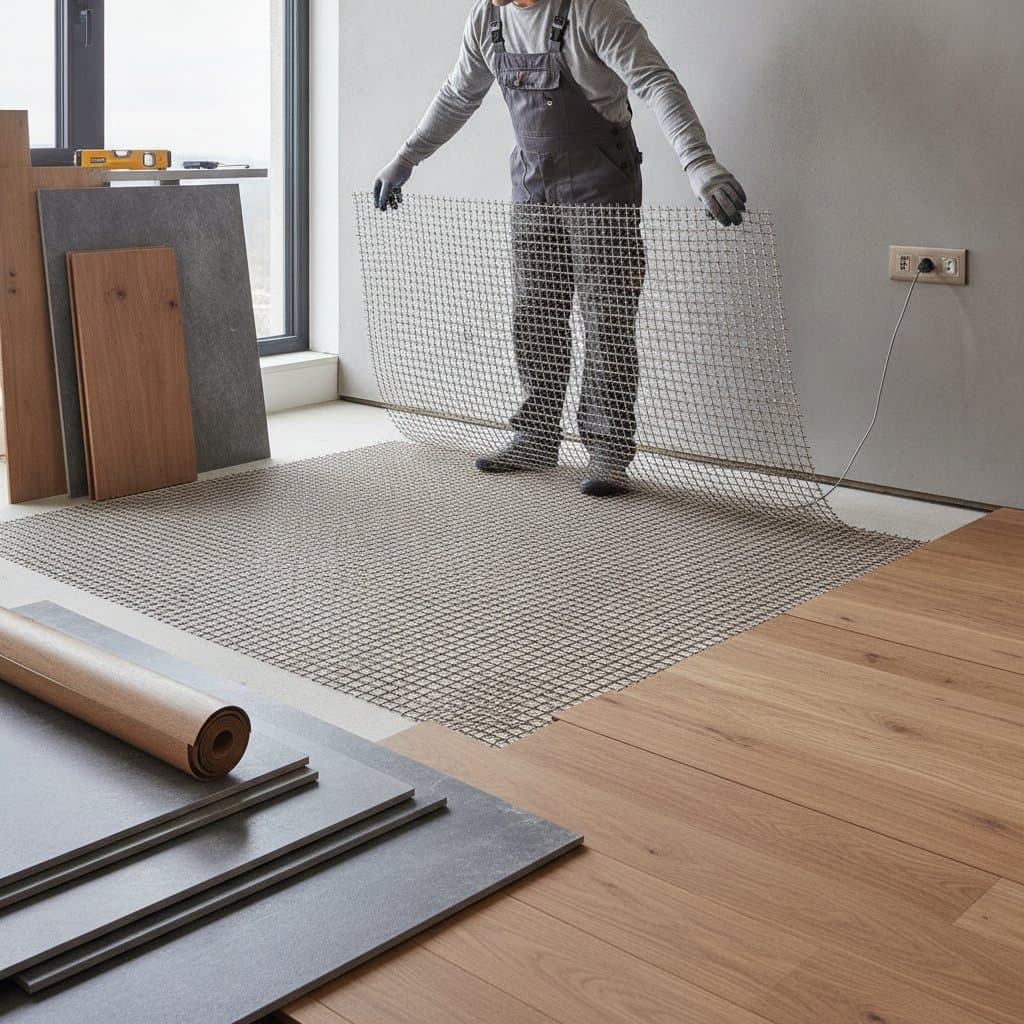
Wellness trends now extend beyond material selection to include electrical balance within interiors. Grounding floors address this by placing carbon or silver fiber mats beneath finished surfaces. Connection occurs through a standard grounded outlet or an external rod. The setup remains hidden while delivering consistent conductivity during daily movement.
Primary users: Homeowners focused on wellness and designers creating sensory rich spaces
Common locations: Apartments, yoga studios, and new residential builds
Available scales: Entryway rugs to complete room installations
Required team: Flooring contractors, interior designers, and licensed electricians
Limitations of Standard Flooring
Synthetic carpets, sealed laminates, and vinyl trap static charge and block natural electron flow. Open living areas finished with these materials can feel disconnected underfoot. Homeowner Maya Torres noted that her previous living room appeared attractive yet lacked the tactile quality she sought for meditation. Wool rugs and cork surfaces add warmth but leave the grounding function unaddressed.
Updated Installations
Recent projects combine familiar materials with hidden conductive layers. One living room received wide oak planks over copper mesh connected to an exterior rod through concealed baseboard wiring. The finished floor retains its natural appearance while providing soil level conductivity. A yoga studio installed wool rugs backed with carbon fabric that plug into grounded outlets via slim cords tucked beneath edges. Designer Erik Latham explained the goal of preserving real wool texture alongside the energy exchange benefit.
Technical Specifications
- Materials include carbon infused fabric, silver thread, or copper mesh placed under stone, wood, or textile finishes
- Connection uses either a grounded plug or buried rod tied to the building electrical system
- Surface options remain visually identical to conventional oak, bamboo, or ceramic tile
- Routine cleaning applies, with annual verification of the grounding wire
- Low voltage components meet residential safety standards and benefit from electrician installation
- Optimal results occur with bare feet or thin natural fiber socks
Planning an Installation
Integrate the system during early renovation stages so wiring routes stay hidden. Begin with a single rug in a reading area or meditation space to test the sensation. Larger projects extend the mats beneath full room flooring. The approach works equally well in compact apartments and larger residences.
Ongoing Use
Once installed, the floors require minimal upkeep and operate without visible components. Users frequently describe improved calm and reduced fatigue after extended barefoot contact. The design also encourages barefoot habits that reduce tracked dirt and promote relaxed interiors. Grounding floors therefore function as both a visual base and an active surface that supports physical connection to the surrounding environment.