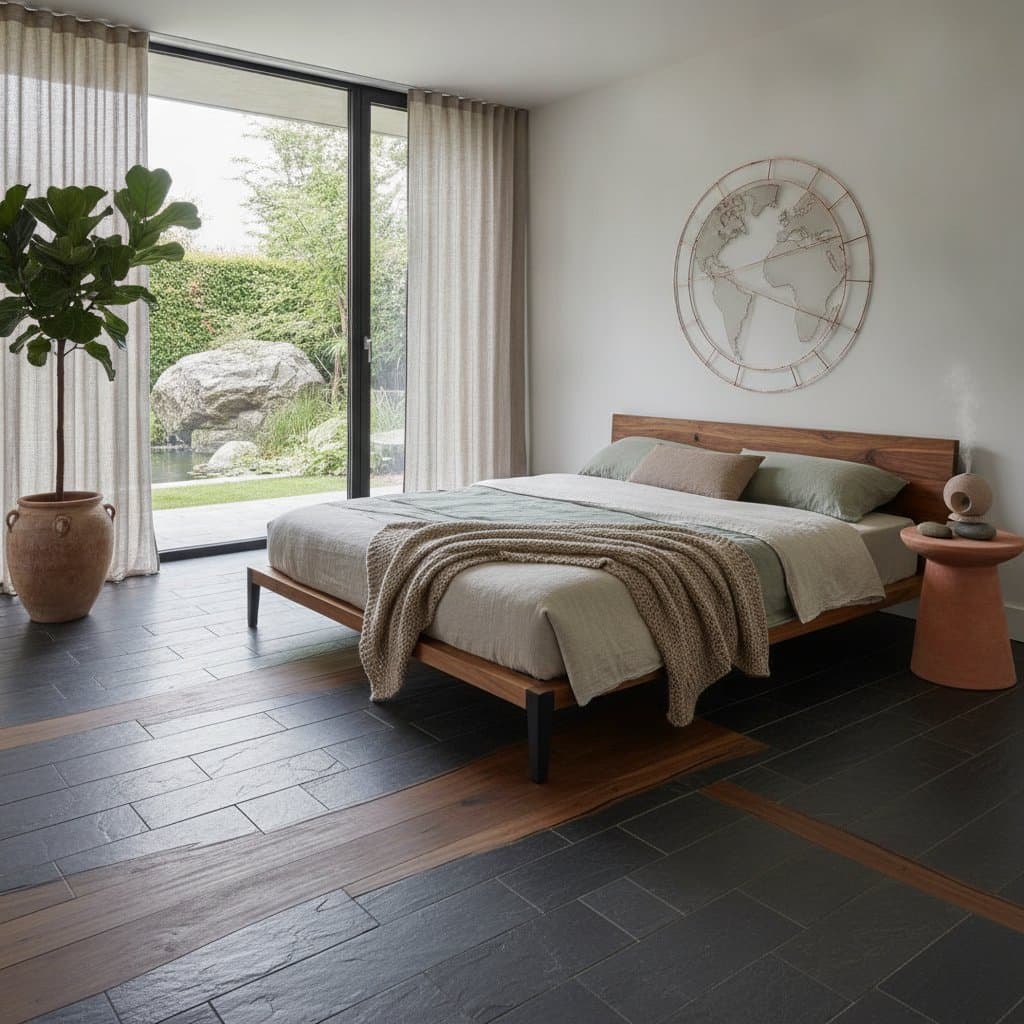
Grounding Floors Bring Earthing Wellness Indoors Naturally
Picture this scene. You wake up, stretch, and step onto your floor. Instead of a cold jolt, your feet meet a surface that feels calm and balanced. This experience reflects the quiet effect of grounding floors. These surfaces reconnect indoor life with the natural charge of the earth.
Anyone who has felt better walking barefoot on grass understands the basic idea. Grounding floors, also known as earthing floors, mimic that connection indoors. They use conductive materials that allow the body to discharge static and absorb mild electrical energy from the earth. Homeowners often report better sleep, reduced stress, and fewer headaches after installation. The materials also add comfort and encourage mindful movement throughout the day.
The sections below explain what grounding floors are, how they function, and which materials create both beauty and benefit.
Common Materials That Bring the Earth Inside
Conductive Stone and Tile
Natural stone contains trace minerals that conduct electricity. When paired with grounding underlays or conductive grout, slate, marble, and travertine create an elegant earthing surface. Stone regulates temperature by staying cool in summer and retaining warmth in winter. Its subtle texture encourages barefoot walking, which strengthens the grounding effect.
Grounded Wood Flooring
Wood requires treatment to become conductive. Mineral-based oils or conductive mats beneath the planks complete the system while preserving the warmth of timber. Engineered planks with integrated conductive layers now match the appearance of standard hardwood. These connect to a hidden grounding rod or plate beneath the subfloor.
Clay and Earthen Floors
Clay or earthen floors represent one of the oldest conductive surfaces available. When sealed with natural oils rather than synthetic polymers, they retain strong conductivity. The organic finish produces gentle color variation and a matte surface that softens room lighting. These floors accept radiant heating and require only periodic wax or linseed maintenance.
Carbon-Infused Linoleum or Rubber
Manufacturers add fine carbon particles to linoleum and rubber to produce continuous conductivity. This option suits yoga spaces, home gyms, and bedrooms that need a soft, low-maintenance surface. The finish remains matte and integrates cleanly with contemporary interiors.
Grounding Mats and Overlays
Grounding mats provide an entry point without full renovation. Thin overlays connect through a discreet cord or plate and fit under area rugs or beside beds. They allow renters to test the concept before committing to permanent changes.
Smart Details That Elevate the Experience
Soft Transitions
Install smooth thresholds or metal transitions where grounded flooring meets other materials. These details keep the conductive pathway continuous and simplify cleaning.
Hidden Grounding Connections
Link the floor to a grounding rod or plate installed beneath the foundation. Skilled installers place the connection near plumbing or electrical points so it remains invisible.
Barefoot Zones
Designate bedrooms, meditation corners, and reading nooks as barefoot areas. Specify grounding materials in these locations to reinforce daily habits of calm and reset.
Layered Lighting and Sound
Combine the floor with dimmable lighting, natural fabrics, and sound-absorbing furniture. These elements create sensory balance that supports the electrical connection.
Natural Finishes and Maintenance
Apply natural oils, waxes, or mineral-based finishes that preserve conductivity. Clean with pH-neutral products to avoid residue that could block the surface.
Design Harmony with Wellness
Grounding floors combine with low-VOC paints, natural textiles, and proper ventilation. Earth tones from stone, clay, and wood blend with rustic or minimalist styles. In modern settings, carbon-infused rubber or matte tiles maintain a clean aesthetic while preserving the natural connection.
Experiencing the Benefits Daily
Begin with a grounding mat beside the bed or workspace. Observe changes in comfort over several days. If the effect proves worthwhile, expand to one room during the next renovation. Consult the contractor about conductive underlays and compatible sealants while the subfloor remains accessible. Clay and linoleum options keep costs moderate, while stone and engineered wood systems represent larger investments. Each step supports both physical comfort and overall well-being.